
After spending nine months in Immigration and Customs Enforcement (ICE) detention, Jesus Ramirez Ramos faced challenges. His clothes, stored for months, were in a poor state, and ICE had lost his cellphone, leaving him without vital contacts. Far from his home in Salina, Kansas, he needed assistance.
Upon his release from the North Lake detention center in Baldwin, Michigan, Delight Lester was there to greet him. A 66-year-old resident of Michigan, Lester is part of an advocacy group supporting ICE detainees. This group provides legal aid, funds commissary accounts, and organizes travel arrangements. Lester transported Ramos over 900 miles back to his home in her Toyota Prius, offering him clothing, snacks, and a phone for the journey.
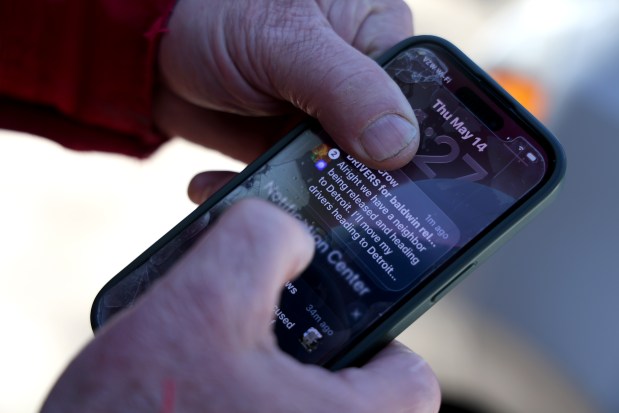
Lester is part of a nationwide network helping ICE detainees. Many detainees are held far from their communities. Advocacy groups across the U.S. have risen to address this by providing transportation for released detainees. These groups employ volunteer drivers and use encrypted messaging for coordination.
In Michigan, Hope for Neighbors is one such group. Others, like Calor Humano in Kentucky and Haven Watch in Minnesota, offer similar support. For instance, Ricardo Hernandez-Navarrete, a student detained in Kentucky, was helped by activists to return home in time for his graduation.
These networks emerged as a result of the Trump administration’s aggressive immigration enforcement policies. This administration’s approach has led to numerous arrests and deportations, often without prior criminal records. Policies like indefinite detention without bond have spurred legal challenges and humanitarian criticisms.
Advocates like Evelyn Vargas at Organized Communities Against Deportations emphasize the impact of these actions. The efforts of volunteers like Lester aim to provide hope and assistance to those affected.
Dale Dalman, a retired arts center operator, introduced Lester to the cause. His visits to the North Lake detention center revealed detainees in need of human contact. This prompted community response and led to the formation of Hope for Neighbors with about 250 participants.
The group maintains supplies for released detainees and assists them in finding legal aid. Dalman stresses the dynamic nature of immigration law and the struggles faced by asylum seekers.
Volunteer roles include transporting detainees through traditional routes from Baldwin to various cities. When traveling greater distances, the network sponsors bus tickets. Dalman sees these efforts as part of his faith practice.
Delight Lester’s daughter, Lillian Khatib, joined the effort, leveraging her social work studies and Spanish skills. She coordinates volunteer visits to detainees, providing crucial support.
Volunteers like Larry Gephart manage logistics for releasees, enhancing their odds with donations of essentials. His dedication exemplifies volunteerism in practice.
In Louisville, Kentucky, Will Mendoza experienced firsthand the virtual calls for assistance. His concerns about continued need led to structured volunteer efforts despite systemic challenges.
Minnesota’s Haven Watch, founded by Natalie Ehret, ensures released detainees have essentials and a safe path home.
These efforts aren’t entirely new. Indiana AID, established in 2019 by Robin Valenzuela, highlights the continuing need for advocacy. Even large detention centers like Delaney Hall attract volunteers eager to provide aid.
Volunteers like Stephanie Campos offer transportation and support, often motivated by personal connections to immigrant communities.
Rebecca De La Luz, based in Illinois, is a seasoned participant in this movement. Her trips and coordination efforts have assisted many families reuniting with their loved ones across the Midwest.
Her efforts provide tangible results, exemplified in moments of joy like Humberto Ramirez Torres reuniting with his family. This kind of human connection underscores the impact of these community networks.