
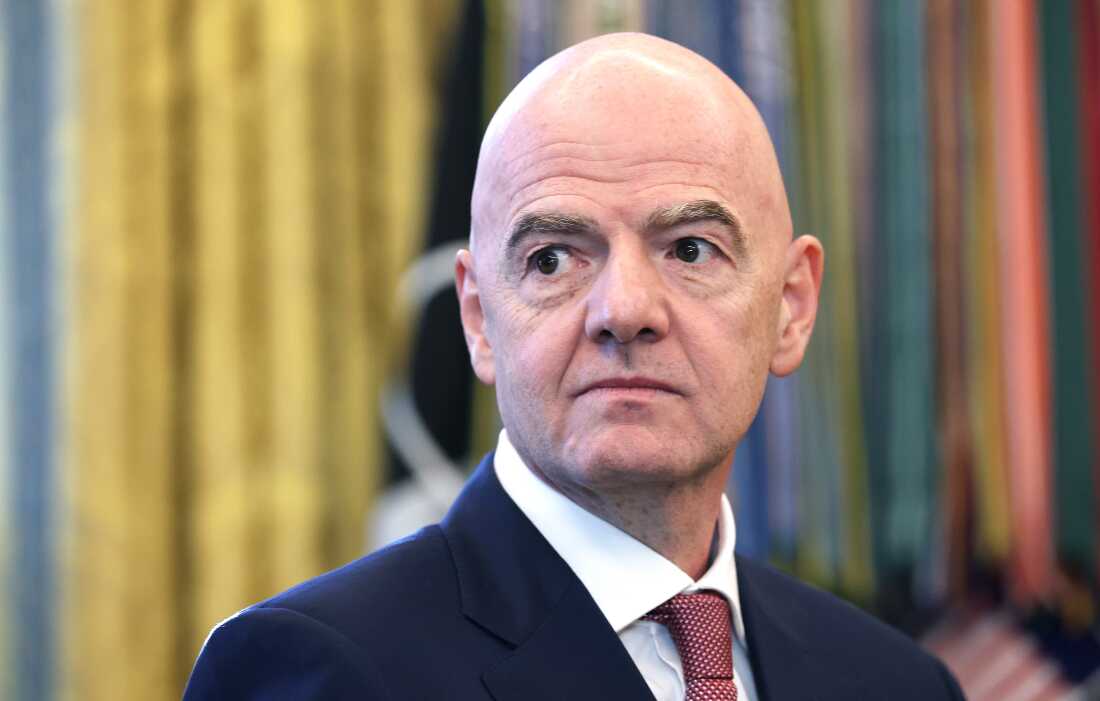
FIFA, under the leadership of Gianni Infantino, is facing a joint investigation by attorneys general in New Jersey and New York. This probe examines FIFA’s ticket pricing for the upcoming World Cup and its sales process.
High Ticket Prices and Dynamic Pricing
FIFA has sharply increased ticket prices for the World Cup taking place in the United States, Mexico, and Canada. This move marks a significant departure from previous tournaments. For the first time, FIFA has implemented dynamic pricing, resulting in significantly higher costs for many matches.
The final match, scheduled in New Jersey, is a stark example. Initial prices for the most expensive tickets were set at $6,730, far exceeding the approximately $1,600 charged for similar tickets in the 2022 Qatar World Cup. By April, these tickets soared to $10,990. Such price hikes have led to widespread criticism and scrutiny.
New ‘Front Category’ Seats
FIFA introduced a novel ticket category called ‘Front Category’ seats, featuring premium front-row options at a high price. A seat in the lower bowl for the final costs over $30,000. This pricing structure has compounded public discontent.
Monopoly Concerns and Sales Practices
Legal experts are questioning whether FIFA abused its monopoly status to raise ticket prices. Lawyer Derek Howard highlights FIFA’s secretive approach to pricing and ticket availability, which leaves consumers in the dark and FIFA in control. As Howard notes, FIFA’s tactics create perceived scarcity and pressure buyers to pay inflated prices.
Even during the ongoing ‘last-minute sales’ window, FIFA releases tickets sporadically, leaving fans uncertain about ticket availability and pricing. New Jersey Atty Gen. Jennifer Davenport criticized FIFA’s practices for creating confusion and exploiting consumers.
Seating Assignments and Adjustments
Another issue is the lack of specific seat selection during purchase. Fans select from four broad categories, but specific seats are later assigned by FIFA. This approach deviates from typical U.S. ticketing practices and leaves fans uncertain about their seating arrangements. High-paying customers have expressed frustration over undesirable seats.
FIFA can also change seating maps, affecting fans’ seats after purchase. This has led to complaints of a ‘bait and switch’ strategy. New York Atty Gen. Letitia James emphasized the need for transparency in ticket sales.
Future Implications
Despite requests from NPR, FIFA had not commented on the situation. With the World Cup starting soon, significant changes to their sales process are unlikely. However, FIFA might face legal actions in the U.S. after the tournament’s conclusion. Class action lawsuits and additional investigations by other attorneys general remain possible.
While FIFA defends its pricing as adapting to the American market, the organization risks legal challenges and a significant public relations issue.