
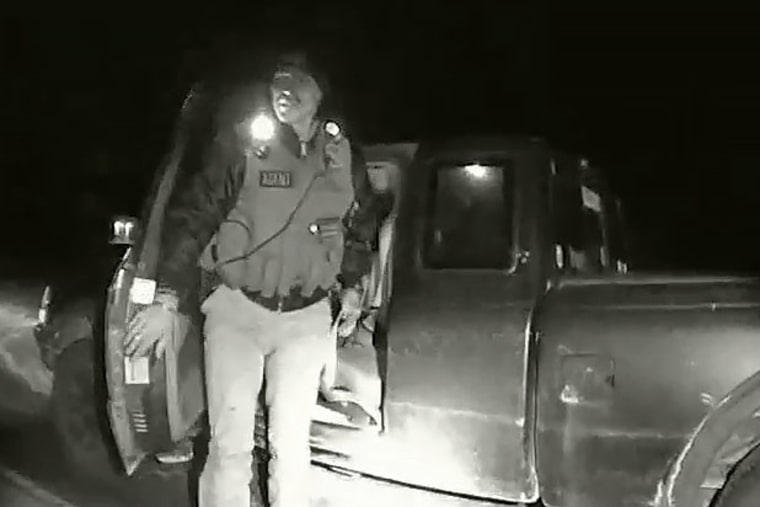
Experts, activists, and officials highlighted a significant threat facing immigrants from individuals posing as immigration agents. These fake agents exploit immigrants’ vulnerabilities, capitalizing on their limited English proficiency and fear of deportation. As a result, many victims do not report such crimes or participate in investigations, fearing repercussions.
In interviews, Noticias Telemundo found that many immigrants declined to discuss their experiences due to fear of either their attackers or immigration authorities. For example, one Venezuelan immigrant expressed concerns about what might happen to him or his family after witnessing a fraudulent ‘immigration operation.’
Legislative Efforts and Challenges
Rep. Laura Friedman highlighted the difficulty in determining the frequency of these crimes. The undocumented status of some victims often leads them to avoid contacting the police. The House Democratic Women’s Caucus, including Friedman, urged Homeland Security and the Trump administration to mandate clear identification by ICE agents to prevent such impersonations.
California and Philadelphia introduced legislation to prevent agents from masking their identities and requiring them to display badges. However, enforcement faced hurdles, particularly in California where a judge obstructed the law’s application due to a federal lawsuit. Philadelphia, nonetheless, enacted laws aligning federal agent identification requirements with local service norms.
Documented Cases
In June 2025, an armed individual in Philadelphia masqueraded as an ICE agent. He conducted a fake ‘operation,’ restrained a cashier, and committed robbery. This case was among the rare incidents nationwide where suspects faced federal charges of impersonating an ICE agent.
In other instances, individuals impersonating agents committed violent crimes. For example, a Dominican woman in New York was brutally attacked after a medical appointment, and a Venezuelan immigrant faced assault at her workplace in North Carolina. Such cases underscore the scale and threat posed by these impersonators.
The Broader Implications
Naureen Shah from the ACLU emphasized that the presence of masked agents creates unprecedented challenges. The fear induced by these fake agents has severe impacts. A young Mexican immigrant experienced a panic attack following an encounter with a fake ICE agent. This incident profoundly affected his mental health and contributed to ongoing anxiety issues.
Legal repercussions for impersonators have been pursued, as seen in the arrest and sentencing of Sean-Michael Emmrich Johnson, who pretended to be an agent in South Carolina. However, despite this case, many immigrants remain hesitant to report incidents due to concerns of retaliatory deportation.
Immigration attorney Nina Cano suggests that victims consult with legal experts to understand their options and potential benefits of reporting crimes. The fear of repeated victimization and deportation poses significant hurdles in resolving such cases.
Public Safety Challenges
Larry Krasner, District Attorney of Philadelphia, noted that immigrants’ fear of police interaction complicates public safety efforts. Many immigrants avoid reporting crimes, leading to underreported threats and crime occurrences. Shah of the ACLU stressed the necessity for undocumented immigrants to feel safe seeking legal protection. This assurance is crucial for maintaining public safety and community trust.