
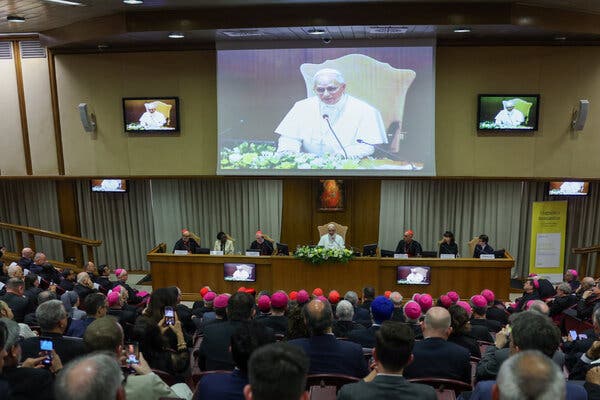
Pope Leo XIV has introduced an important teaching on the human relationship with artificial intelligence. This teaching, titled “Magnifica Humanitas”, or “Magnificent Humanity,” addresses the profound changes technology will bring to human life.
Background of the Encyclical
“Magnifica Humanitas” is the first encyclical issued by Pope Leo XIV, marking a significant contribution to papal teachings. He signed this document on the 135th anniversary of “Rerum Novarum.” The older encyclical addressed labor during the Industrial Revolution, written by Pope Leo XIII, whose name inspired Leo XIV. The new encyclical highlights pressing issues that humanity will face during Pope Leo XIV’s papacy.
The Encyclical’s Themes
The letter, comprising 42,300 words, addresses 1.4 billion Catholics worldwide. It emphasizes that artificial intelligence is not human, despite its capabilities.
“We must avoid the misconception of equating this type of ‘intelligence’ with that of human beings.”
Artificial intelligence replicates certain human intelligence functions, often surpassing human speed and computational power. The field offers benefits across many areas. However, these systems remain tied to data processing and do not experience life or emotions. AI does not mature through experiences or relationships and lacks an understanding of love, work, friendship, or responsibility.
Pope Leo XIV describes AI as a rapidly evolving field that holds the potential as a valuable tool. Despite its capabilities, it fundamentally differs from humans in essence.