
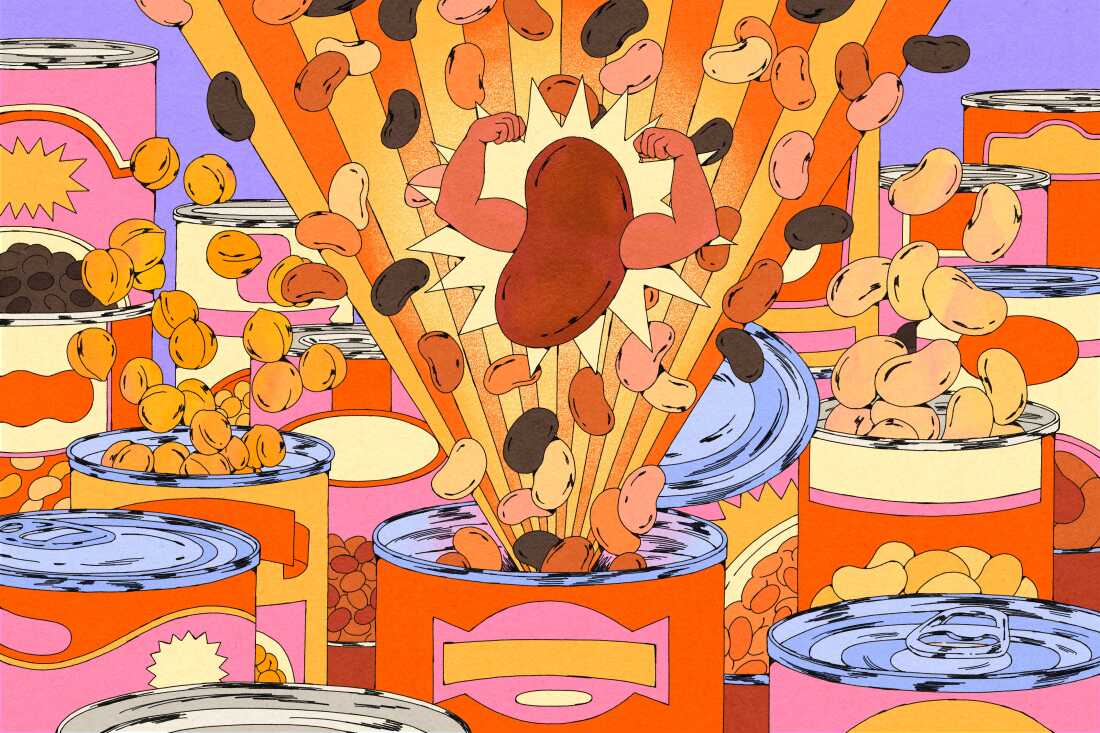
Interest in beans is rising among Americans seeking economical, healthy, and diverse food options. A plentiful presence of bean-based recipes on social media illustrates this surge. An heirloom-bean service boasts a waitlist of tens of thousands, and even children’s programming uses beans in marketing.
Historical and Nutritional Significance
Beans, such as Phaseolus vulgaris, have long been vital to agriculture and offer a cost-effective alternative to meat. They provide a nutritious source of fiber, crucial for dietary health, as found by studies like one in The Journal of Nutrition. Fiber is abundant in beans yet insufficiently consumed by many Americans.
Tim McGreevy, from USA Pulses, highlights beans’ contributions to soil health as nitrogen-fixing plants, essential in crop rotation. Joël Broekaert points out that beans facilitated early agriculture by enriching soil nutrients, a critical function as crop production intensified.
Economic Influence on Consumption
Historically, bean consumption increased during economic hard times. For instance, their popularity surged during the Great Depression and the COVID-19 pandemic, as beans are affordable and shelf-stable.
Beans’ Health Benefits
Beans are associated with lower cholesterol and cancer risk, maintaining healthy blood sugar levels, and supporting gut health. They contain beneficial microbes, according to Colorado State University’s Henry J. Thompson. Despite beans’ reputation for causing gas, gradually increasing fiber intake can mitigate this effect.
Beans also provide excellent protein sources, with an impressive fiber-protein ratio. The 2020 Dietary Guidelines for Americans accordingly emphasized beans as a vital protein, not mere vegetables.
A Broader Cultural Appeal
Steve Sando of Rancho Gordo highlights beans’ flavor, urging people to appreciate them more. His company, specializing in heirloom beans, shows strong demand with its popular Bean Club.
Influencer Madeline Schapiro, known as the Bean Supporter, promotes beans’ health benefits while sharing diverse recipes. Her Berkeley, California meetups attract crowds, illustrating beans’ appeal.
Increasing Bean Consumption Goals
USA Pulses intends to double U.S. pulse production and consumption by 2030, with similar goals globally by 2028. Tim McGreevy discusses initiatives supporting these goals, such as partnering with food manufacturers to create pulse-based products.
Nutritional expert Thompson recommends 1.5 cups of pulses daily for optimal benefits. Increasing pulse intake aligns with public health initiatives to improve diet sustainability and affordability.