
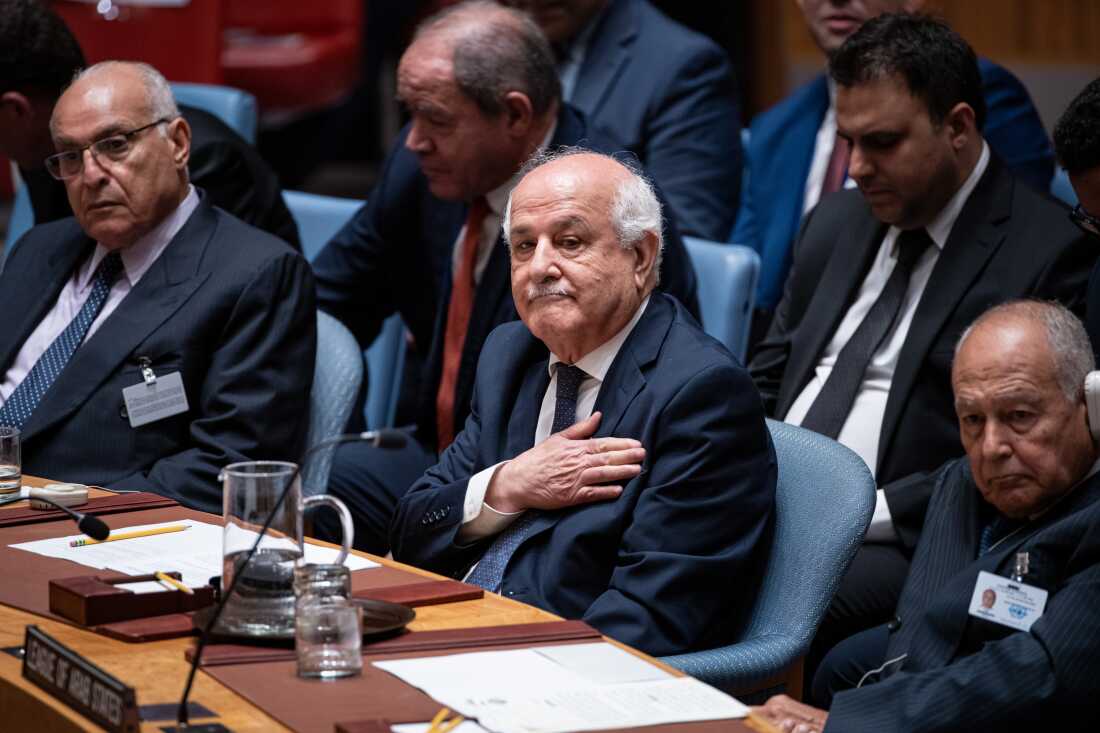
The U.S. is considering revoking the visas of the Palestinian delegation to the United Nations. This threat follows the Palestinian ambassador to the U.N., Riyad Mansour, pursuing a vice president role at the U.N. General Assembly. The U.S. State Department has instructed diplomats in Jerusalem to apply pressure on Palestinian officials to drop Mansour’s bid.
A State Department cable warns that Mansour’s bid might increase tensions and hinder efforts toward peace in the region. The cable underscores past criticism that Mansour accused Israel of genocide, arguing that this could harm U.S. relations with the Palestinian Authority (PA).
In the past, the Trump administration denied visas to top Palestinian officials, including President Mahmoud Abbas, ahead of the U.N. General Assembly. Despite this, the Palestinian delegation’s existing visas were not revoked. The U.S. cable from May 19 suggests revisiting visa options if necessary, recalling that sanctions and inadmissibilities for Palestinian officials were previously waived in 2025.
Criticism of the visa threat has emerged. Hady Amr, a former senior State Department official, has described such actions as counterproductive. By limiting diplomatic engagement, Amr argues, opportunities to address international issues are reduced.
The 1947 U.N. Headquarters Agreement generally prevents the U.S. from blocking U.N. officials from entering New York. However, visas have been denied to certain Iranian, Russian, and Palestinian figures in the past, claiming national security concerns.
Previously, Ambassador Mansour withdrew from a bid for U.N. General Assembly president under U.S. pressure. Israel’s U.N. Ambassador Danny Danon criticized the bid, suggesting the Palestinian delegation should focus on reducing terrorist incitement and reforming the PA.
The election for the vice president roles is scheduled for June 2. Palestinian Ambassador Mansour remains among the candidates. The U.S. continues to urge Palestinians to refrain from participating.
Mansour is known for his impactful presence at the U.N. General Assembly, often highlighting humanitarian issues affecting Palestinians. In May 2025, he delivered a tearful speech recounting the tragedies of children affected by conflict in Gaza. Addressing Israeli airstrikes, he spoke emotionally about grieving families.
His appeals for peace included calling for a ceasefire to save both Israelis and Palestinians. Mansour emphasized the need for ending suffering and conflict, stating, “It is not our destiny that the option is the continuation of killing and agony.”