
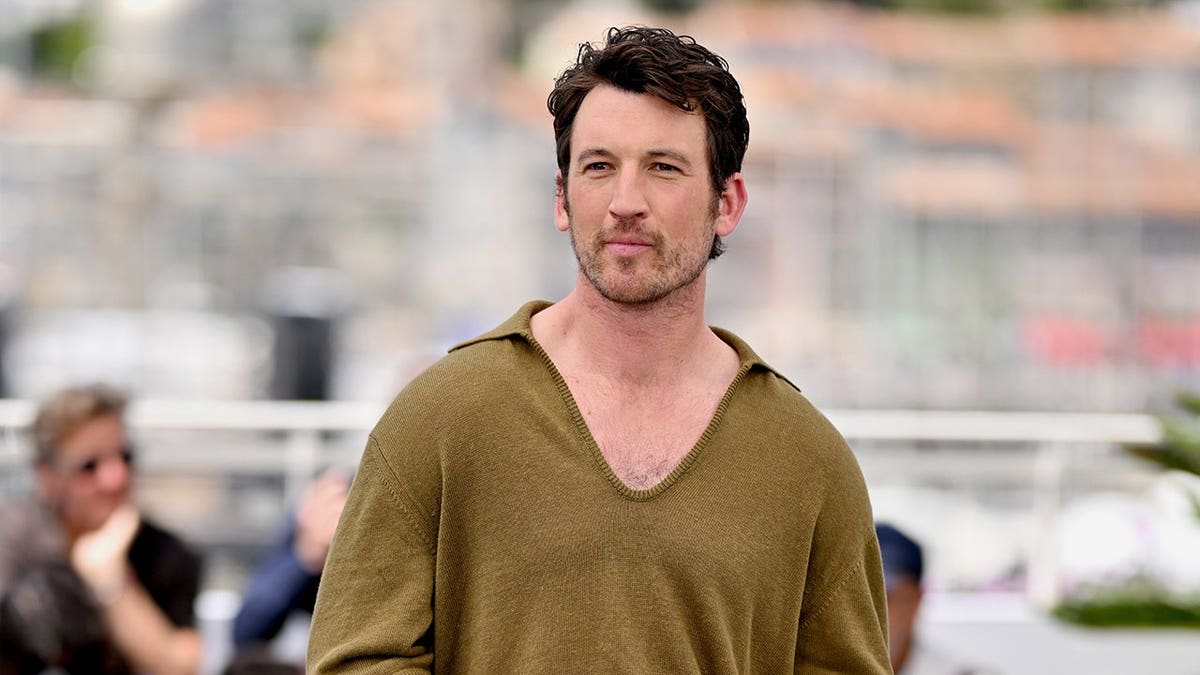
Miles Teller, known for his role in Top Gun, has addressed past media portrayals that cast him in a negative light. Over a decade ago, Teller was labeled “kind of a d—,” which has influenced the way he interacts with the press today.
Speaking to IndieWire, Teller expressed his concerns about editorial profiles after an unpleasant experience with an Esquire feature in 2015. At 39, he reflected on the challenges of sustaining a career in a competitive industry and how the misaligned profile could have derailed his trajectory.
“That was so mishandled,” Teller said. “The reason why I have not done profiles is because I said, ‘Wow, if I’m not doing this interview on camera, this person can misquote things or put things out of order or say things that didn’t happen.'”
Teller emphasized his discomfort with how words can be twisted, saying it felt “like such a violation of what actually transpired.” This experience led him to avoid traditional press, questioning the authenticity of profiles that don’t align with his perception of himself.
In the entertainment industry, negative stories often gain more attention. Teller remarked, “So it’s unfortunate that being a good person, that doesn’t sell. People want to click on the negativity.” He reiterated the importance of integrity over public image, asserting that true character is revealed not in headlines, but in how one treats others.
Despite the negative press, Teller noted that those within the film industry can perceive work ethic and talent. “The actors, the directors, the crew, the producers … you can’t hide who you are when you’re on set,” he shared.
Teller’s past statements have occasionally attracted skepticism online. Social media users have voiced mixed opinions about his sincerity and past interactions. Some acknowledged the difficulty of handling negative media portrayals, with one user noting, “Misquotes can be really damaging to someone’s reputation.”
Following the 2015 article, Teller was quick to respond publicly. He criticized Esquire for their portrayal, stating, “@esquire couldn’t be more wrong. I don’t think there’s anything cool or entertaining about being a d-— or an a—ole. Very misrepresenting.”
Teller’s experiences highlight the sometimes fraught relationship between celebrities and media, and underscore the importance of maintaining personal integrity amidst public scrutiny.