
After analyzing soil from about 1% of the homes burned in the Eaton Fire, the U.S. Environmental Protection Agency found that most properties cleared by the U.S. Army Corps of Engineers do not have dangerous levels of lead. However, at least one scientist remains skeptical.
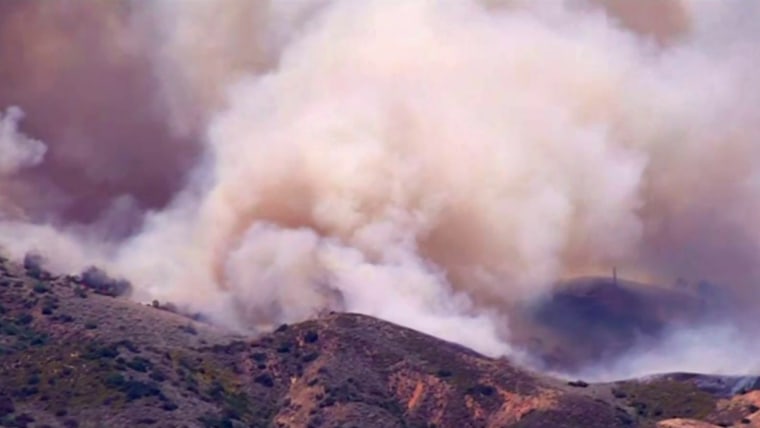
The Eaton Fire, which occurred in January 2025, destroyed 9,400 homes and structures in Altadena. Smoke from the fire carried lead, arsenic, and asbestos into the air, settling nearby. Lead is a significant neurotoxin that causes developmental issues in children.
The EPA’s study involved testing 100 homes randomly chosen from the cleanup zone. Results showed that only five lots exceeded EPA screening standards for lead. Seventeen lots surpassed California’s stricter regulations. On the whole, the median lead concentration was well below state and federal concern levels.
“That should really give residents confidence that the work that the Army Corps did addressed the fire-related contaminants, particularly lead,” said Michael Montgomery, director of the EPA Region 9 Superfund and Emergency Management Division.
Montgomery stated that with 95% confidence, homes in Altadena and Pasadena fall below both California and federal lead screening levels.
Despite these assurances, concerns linger in Altadena. The area has many older homes constructed before lead use was discontinued in building materials. The Army Corps cleared debris from about two-thirds of the burned homes but didn’t conduct soil tests before and after cleanup, leaving residents worried.
Soil testing wasn’t a mandatory part of cleanup. This prompted academics and consultants, including the Los Angeles County Department of Public Health, to conduct tests in the region. Andrew Whelton, a Purdue University professor, argued that the EPA’s analysis doesn’t fully represent the fire area. He criticized the method used as inadequate for identifying hazardous spots.
The Army Corps’ debris removal involved cleaning and scraping up to six inches of soil. This process faced scrutiny for inconsistencies and rushing. Whistleblowers reported residual debris and potential contamination risks.
Montgomery said FEMA asked the EPA to address resident and official concerns. The EPA hasn’t engaged in similar work for past wildfires. Their study aimed to provide broad contamination data across the burn zone by selecting random properties and gathering soil samples.
At each site, soil samples were collected from 30 locations. Composite samples were prepared for both surface and subsurface levels. Surface soil had a median lead concentration of 31 mg/kg, below the concern threshold for both California and the EPA.
Whelton voiced concerns about pooling soil samples. He suggested this method averages figures and masks contamination hotspots. He noted that even if individual tests pass, portions of properties might exceed safe lead levels. Whelton highlighted a property with an average lead concentration of 705 mg/kg, expressing worry as levels above 1,000 mg/kg classify as hazardous.