
The El Niño phenomenon has long influenced human history, though its full implications were not always understood. El Niño refers to significant changes in the Pacific Ocean’s winds and temperatures, which drastically alter weather patterns globally. Historically, these changes have caused severe droughts, heat waves, and worsened epidemics.
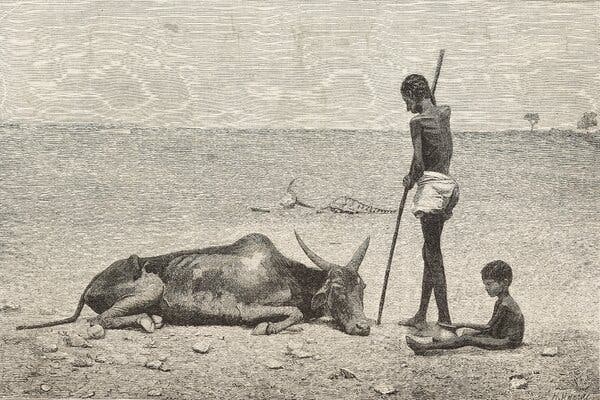
Some researchers suggest El Niño played a role in events like the political and economic upheaval in ancient Egypt or the decline of the Moche civilization in what is now Peru over a millennium ago. In 1877 and 1878, an El Niño-triggered famine led to millions of deaths in the tropics, cementing global inequalities that shaped the categorization of ‘first world’ and ‘third world.’
The world now faces the onset of another El Niño phase. Scientists warn it may be one of the strongest yet, serving as a reminder of the powerful impact natural forces can exert on global stability and well-being.
However, the current El Niño is still forming, and its full effects remain uncertain. Predictions suggest it could be quite severe, affecting a world that is more resilient yet facing unprecedented challenges. Modern technologies allow countries to monitor El Niño events with oceanic gauges and early warning systems. Agricultural practices have advanced, and many nations maintain strategic reserves of grains, reducing the threat of widespread famine.
Despite these advancements, a strong El Niño could strain the already fragile global system. Fertilizer shortages due to the Strait of Hormuz’s closure challenge farmers. Rising energy prices, impacted by conflicts in Ukraine and Iran, stretch national budgets. The safety net, weakened by cuts in foreign aid from countries like the United States, leaves poorer nations more vulnerable.