
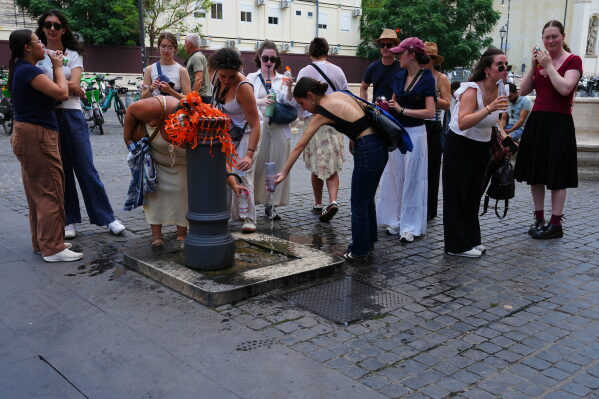
Europe is currently experiencing an early heat wave that has resulted in extremely high temperatures across the continent. Experts attribute this phenomenon to a meteorological condition known as a heat dome.
What is a Heat Dome?
Mireia Ginesta, a research associate at the Climate Litigation Lab, explains that heat domes are high-pressure systems which become stationary for several days. This situation traps heat and humidity, leading to dangerous temperature levels. The formation of heat domes is related to a bulge in the jet stream, a fast-moving wind at high altitudes. This bulge causes the air to sink, increasing pressure and temperature as it descends to lower altitudes.
Link Between Heat Domes and Heat Waves
Climate scientist Jennifer Francis from the Woodwell Climate Research Center notes that these bulges create conditions conducive to heat waves. The heat dome is the atmospheric setup, while the heat wave represents the actual temperatures experienced at the surface. This week, millions of people across Europe, including in France, Italy, Spain, and the UK, are enduring this heat.
Impact on European Countries
In countries like France, where air conditioning is not widespread, the heat wave has led to severe consequences. France has been placed under a red heat wave alert. Tragically, there have been reports of around 40 deaths due to drowning, as people seek to cool off. The temperatures are expected to peak at approximately 104 degrees Fahrenheit (40 degrees Celsius).
Climate Change and Heat Waves
Climate change plays a significant role in the increasing frequency and intensity of heat domes. According to experts, the warming of the globe alters the range of temperatures, making extreme heat more likely. Liz Bentley from the Royal Meteorological Society emphasizes that climate change contributes to the persistence of these heat waves, causing them to linger longer than before.
Safety Measures During Heat Waves
People in affected areas need to stay hydrated, avoid strenuous activities during peak heat, and find shade wherever possible. Authorities in France have canceled trains, concerts, and sporting events, while restricting public alcohol consumption to prevent dehydration. A critical safety tip is to ensure that body temperatures drop at night to prevent health issues.
“One of the biggest problems is the nighttime heat. If you don’t give your body a chance to cool off, it starts to accumulate and can impact your health,” Francis said.
Taking preemptive measures can help mitigate the risks associated with such extreme weather conditions.