
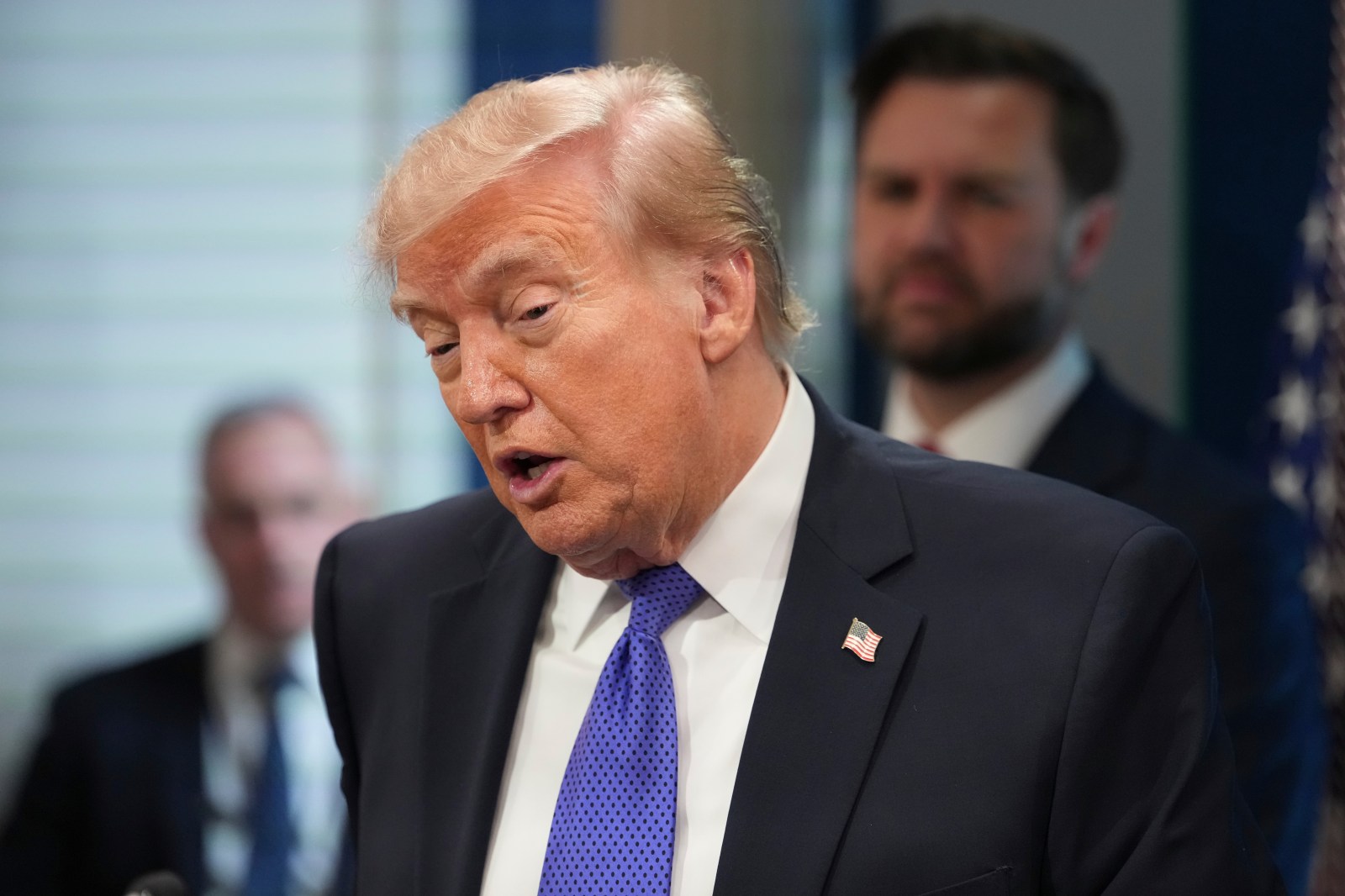
President Donald Trump stated that his administration might achieve more after Democrats take control of Congress in January. Trump shared these thoughts during a comprehensive press conference shortly after his return from Asia. His trip included meetings with Chinese President Xi Jinping and Russian President Vladimir Putin and attendance at the Asia-Pacific Economic Cooperation summit.
Trump took the opportunity to highlight the success of his trip. He also addressed questions on various topics, including the incoming Democratic-controlled Congress and issues affecting his administration. Despite expressing discontent with the Republican losses in the midterm elections, he signaled a readiness to collaborate with Democrats once they assume control. He expressed hope that the change in Congress could increase opportunities for negotiation.
Addressing the potential for two years of divided government, Trump acknowledged the possibility of more dealmaking. He detailed his approach to Democratic legislation, emphasizing the power of his veto. Trump’s strategy involves vetoing proposals unless compromises from both sides are evident.
During the press conference, Trump described U.S. Representative Hakeem Jeffries and Senator Chuck Schumer as intelligent individuals. He indicated a willingness to work with them, noting the challenge posed by some Republican lawmakers who were unsupportive of his agenda. He highlighted his differences with Thomas Massie, a Kentucky Republican, and mentioned intraparty tensions, such as clashes with GOP members like Senator John Cornyn of Texas.
Despite these challenges, Trump maintained a positive outlook, believing that bipartisan cooperation remains possible. He specifically mentioned healthcare as an area where agreement might be feasible. While Democrats have expressed a commitment to affordable healthcare, Trump’s vision includes a combination of ideas from both parties.
The incoming Democratic majority prioritizes healthcare, aiming to reduce costs and enhance access. The Motion Picture, Television, and Entertainment Revitalization Act is another example where Trump anticipates bipartisanship. This proposal, backed by Senators Adam Schiff and Tim Scott, offers tax incentives to encourage U.S. film and television production.
Immigration represents another area for potential negotiation. Although enforcement has been central to Trump’s presidency, he has shown an openness to broader immigration legislation. A deal might be possible for undocumented immigrants who have lived in the U.S. for extended periods.
As Democrats finalize their leadership, with Schumer and Van Hollen competing for Senate majority leadership, it remains uncertain if the envisioned cooperation will lead to significant policy achievements or persistent stalemates over healthcare and immigration.