
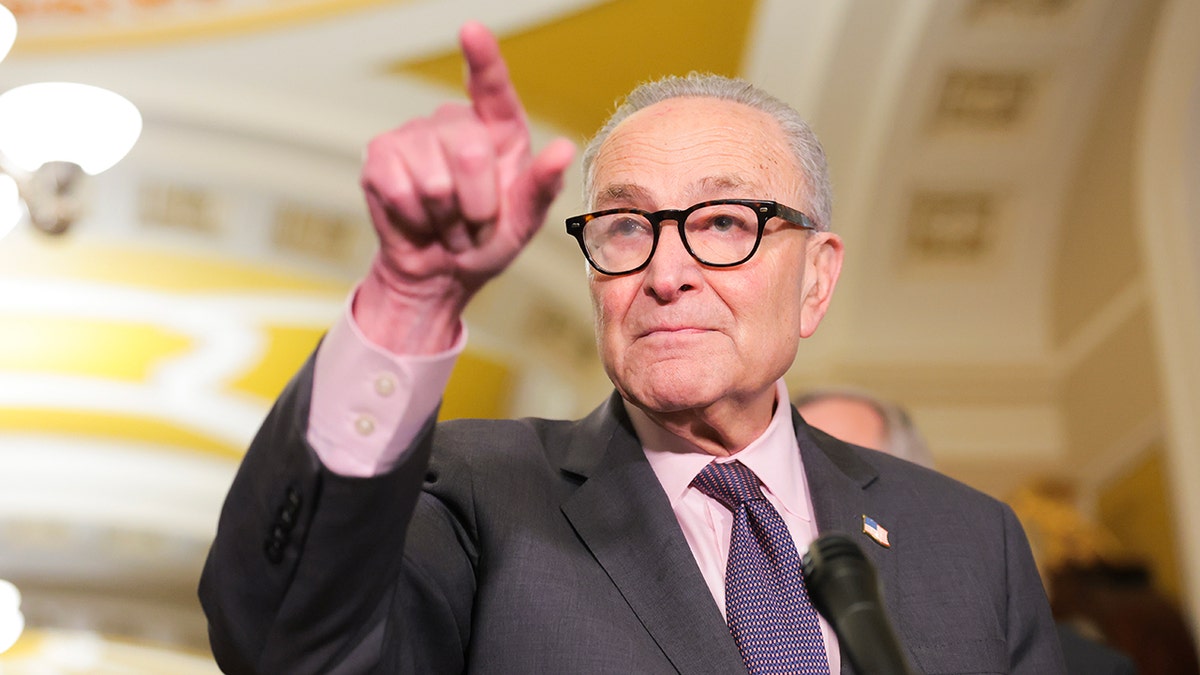
Senate Democrats prevented a key part of the SAVE America Act from progressing, despite past support for similar measures. Early Saturday morning, Senate Republicans attempted to secure backing from Senate Minority Leader Chuck Schumer and his colleagues for a simplified voter ID bill. However, the effort was unsuccessful.
Despite years of Democratic support for voter ID, including from Schumer, they voted against the bill introduced by Sen. Jon Husted, which aimed to tighten voting identification requirements in federal elections. As it stands, 36 states require identification to vote. Of these states, 23 mandate photo ID, while others allow different forms such as a bank statement. Notably, nine of these states have Democratic senators.
“Democrats support voter ID. In fact, we included it in our Freedom to Vote legislation several years ago.” – Chuck Schumer
The vote occurred during a busy period as the Senate prepares to recess for campaign season. This block signifies ongoing Republican struggles to advance the SAVE America Act, which has faced numerous blocks from both Democrats and some GOP members.
Husted’s proposal required voters to provide a valid ID, such as an unexpired driver’s license, state ID, passport, military ID, or tribal ID, to receive a federal election ballot. This scenario isn’t new; a similar attempt in March also failed along party lines.
Despite the lack of progress in passing the SAVE America Act, Republicans, led by Sen. Mike Lee of Utah, continue to push for voter ID legislation. Lee emphasized that many Democrats have voiced support for voter ID, yet the bill faced resistance once again.
The failed attempt came as Republicans missed another chance to draft a version of the SAVE America Act with a budget plan that could have leveraged budget reconciliation. President Trump instructed Republicans to hold off, keeping the issue in limbo as the Senate gears up for midterm elections that could shift Senate control.
Reporter Alex Miller contributed to this coverage for Fox News Digital, focusing on U.S. Senate activities.