
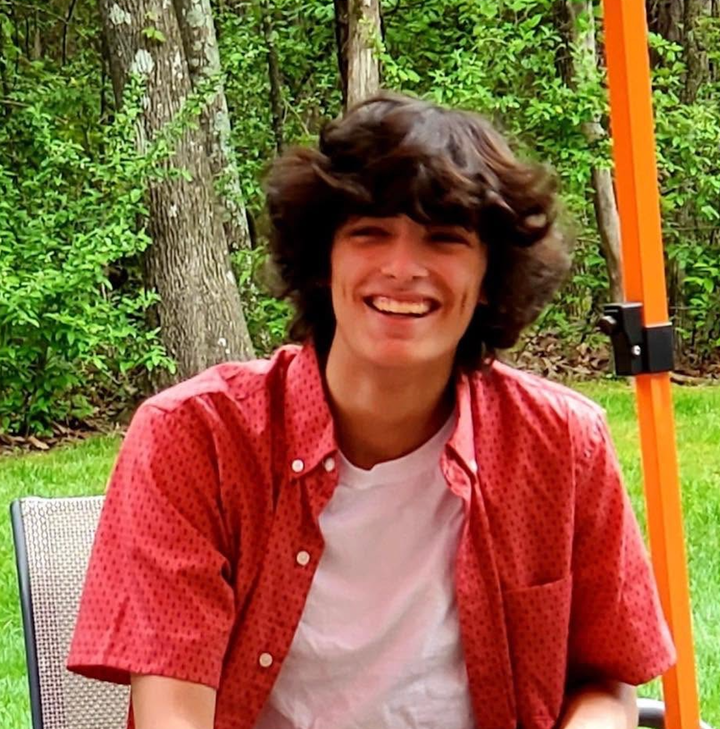
I grew up with a mindset that many men from my generation know well. Phrases like ‘rub some dirt on it,’ ‘man up,’ and ‘suck it up’ were part of my vocabulary. For most of my life, mental health was neither discussed nor understood fully by me. Everything changed when I lost my oldest son, Gavin, to suicide. He was a victim of an online sextortion scam. This unbearable loss led me on an unexpected journey.
Gavin was only 17. As a father, I felt I should protect my family. Experiencing this tragic event made me feel I had failed my wife and sons. It was only then that I began to recognize the symptoms of post-traumatic stress in my life. I understood what it meant to have anxiety take over or to feel trapped in depression, making even small tasks overwhelming. Tragedy taught me that moving forward required grappling with a weight that might never go away.
Reflecting on life, I realized my body tried to tell me something long before I recognized it. When anxious or overwhelmed, I would head to the gym. Physical exertion seemed to release the energy building inside me. I wanted to run or scream until the anger dissipated.
Gavin had his way to cope. When anxiety hit him, he’d grab his skateboard and head outside. An hour or more spent skating cleared his mind. I recall a night when we simply walked around the local airport, talking. At the time, I didn’t see what we were doing. Moving our bodies helped process our emotions. Now, I tell people to change an emotion by creating motion.
Our family comes from western North Carolina. We are mountain folk with mountain rituals. A tradition I understood only when we buried Gavin was that we bury our own. At his funeral, we grabbed shovels to cover his grave. The August heat in South Carolina was nearly unbearable. My sons, Coen and Callahan, helped me, Callahan using a small shovel.
Callahan initially hesitated, tears in his eyes, not understanding why we asked him to participate. I explained that our family honors loved ones this way. He had lost a brother and a best friend. A photograph captures my sister Micala and me beside Callahan, comforting him.
Eventually, Callahan joined Coen and me in transferring earth onto Gavin’s grave. When the heat became too much, Coen and I passed our shovels to others. Callahan refused to stop, driving his small shovel repeatedly into the mound.
As mourners began leaving, the pile of dirt nearly vanished. Callahan, though dirty except for tear tracks, continued until the earth formed a mound. ‘Are you all right, buddy?’ I asked. ‘Yeah, Daddy,’ he replied, ‘It helped get the yucky out.’ Six wise words from my young son.
Callahan could not articulate grief or pain. He couldn’t name emotions overtaking his small body. Yet, he understood instinctively. Move. Work. For a moment, the act of movement helped him carry what words could not. This day taught me a critical lesson in mental health: To change an emotion, you must create motion.
Science supports Callahan’s insight. The National Institutes of Health states that physical activity reduces short-term anxiety and regular activity lowers depression risk and improves sleep. Movement does not require marathons or heavy lifting. A simple walk, bike ride, dance, or time on a skateboard can be enough. Sometimes, stepping outside to feel the sun is all we need.
Movement is not a cure for grief, trauma, or other challenges. It’s no substitute for therapy, medication, or professional care. At times, the bravest move involves calling for help. It’s something I wish Gavin had done.
Now, I share this lesson with teenagers, who carry more than adults realize. I tell them when anxiety rises or emotions overwhelm, they should try movement. Direct the energy into a safe outlet. Let the body assist the mind.
For ages, boys and men have been told to hide pain. We equate silence with strength, suffering alone with courage. I reject this notion. Real strength involves recognizing inner struggles and responding healthily. It’s talking about pain, asking for help, and taking steps forward when standing still is unbearable.
Beside Gavin’s grave, Callahan taught me this lesson. If words fail, move. When anxiety traps you, move. When grief weighs heavy, seek help and move. Pain doesn’t disappear, but sometimes motion helps ease it, if even a little. That’s crucial, as tomorrow needs you.
Brandon Guffey is a South Carolina politician, serving in the South Carolina House of Representatives. Before this, he was on the York County Council. After losing his son Gavin to suicide due to an online sextortion scam, he became an advocate for online child safety. He spearheaded ‘Gavin’s Law’ in South Carolina, which criminalizes sextortion and mandates cyber-safety education in schools. His nationwide advocacy continues through legislative work and his nonprofit foundation.