
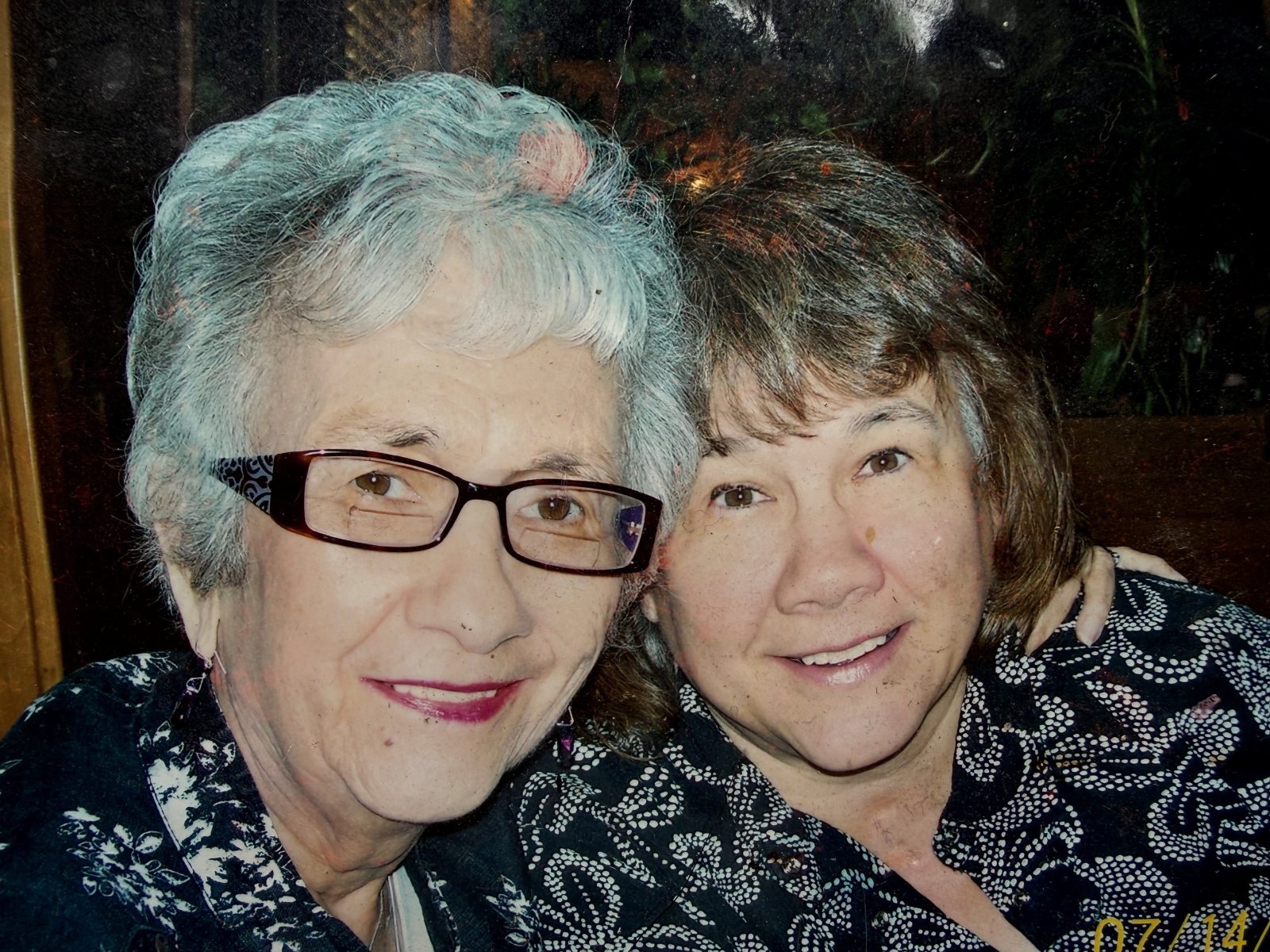
My mother was always my closest companion. She was the person I called to share achievements, setbacks, or even just to chat about daily life. She supported me unconditionally. As she grew older, I wanted to return that care. My parents expressed their basic wishes for medical intervention should they be unable to decide, but I learned that life is more chaotic than any plan can handle.
One memorable evening, as I picked up my son from his first high school dance, my phone rang. My son and I were anxious due to the significance of the event. I expected my mother to call, eager for updates. “Hi, Mama,” I answered, but it was my husband. He told me that my mother was on her way to the ER.
The following eight days were tumultuous. My mother endured what her surgeon described as “the worst surgery”—repairing a ruptured aorta. Although she survived the grueling procedure, her condition was dire. Her carotid artery burst, and she suffered a heart attack and a stroke during surgery.
Machines took over her vital functions, and we awaited signs of recovery. Her legs occasionally twitched, her face sometimes grimaced. Yet, no conscious response came. A nurse urged her to open her eyes to no avail. My mother, connected to machines, felt distant. During our wait, I shared everything with her, hoping she could hear. I even told her I loved her and to let go if she needed to. A single tear down her cheek gave me hope.
She emerged from the coma, as confirmed by a neurologist. I felt hope and informed family and friends. But days later, progress stalled. Her doctors insisted on waiting, yet her chances for a normal life were low.
Faced with difficult choices, my father and I decided to remove life support. Without the machines, she returned to herself, even if briefly. We held her hand as she took her final breaths.
Years have passed, yet I often replay those moments in my mind. Time heals grief but also brings clarity. I grappled with why I let her linger and why I didn’t act sooner. As the anniversary of her passing nears, I decided to change the future.
My son, like me, is an only child. We have a strong bond. I wanted to ensure he would not endure guilt as I have. I explained to him the complexities and uncertainties he might face if I fall ill, emphasizing love and trust no matter his decision.
I reassured him, “You can only do your best in a tough situation. Whatever you decide, know it’s right if made with love.” His response, “Thanks, Mom,” lifted a weight from me. I had given him the freedom I never had—peace of mind.
Tara McClellan McAndrew is a writer from the Midwest. The views in this article are her own. If you have a personal essay for Newsweek, send it to [email protected].