
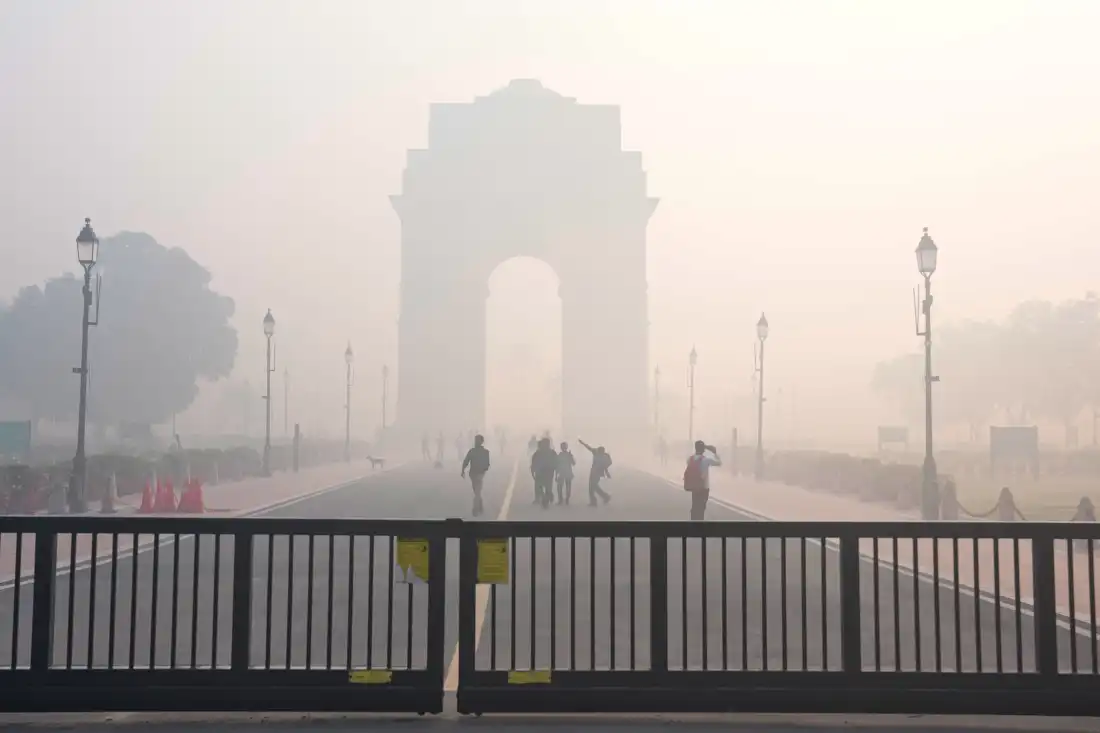
New Delhi faced severe smog following the Diwali celebrations, exacerbating the annual air pollution crisis in the city. Despite measures to restrict fireworks, many residents celebrated by setting off firecrackers, contributing to dangerous smog levels.
The air quality index surpassed 350, classified as severe. Poor visibility affected various parts of the city, as monitoring stations recorded alarming pollution levels.
In October, India’s Supreme Court attempted to reduce Diwali-related pollution by permitting only designated green firecrackers at specific times. Although these crackers emit less pollution, they are still not free from harmful emissions.
A resident, Isyad, reported discomfort caused by the smog, including throat irritation and eye itching. New Delhi, home to more than 30 million people, often ranks among the most polluted locations globally during winter.
Air quality deteriorates during this period due to the conjunction of cooler weather and smoke from agricultural fires in nearby states, Punjab and Haryana. Farmers burn crop residue to clear fields, worsening pollution levels. Combined with local pollution sources, these factors create a heavy haze.
Efforts by New Delhi authorities include limiting construction and diesel generator usage, in addition to court-imposed firecracker restrictions. However, these actions have not effectively prevented recurring severe pollution.
Environmental experts argue for lasting solutions, such as adopting cleaner energy and stricter vehicle emission controls, to address the crisis. Shweta Narayan, a public health authority, criticized governmental actions as temporary responses under pressure.