
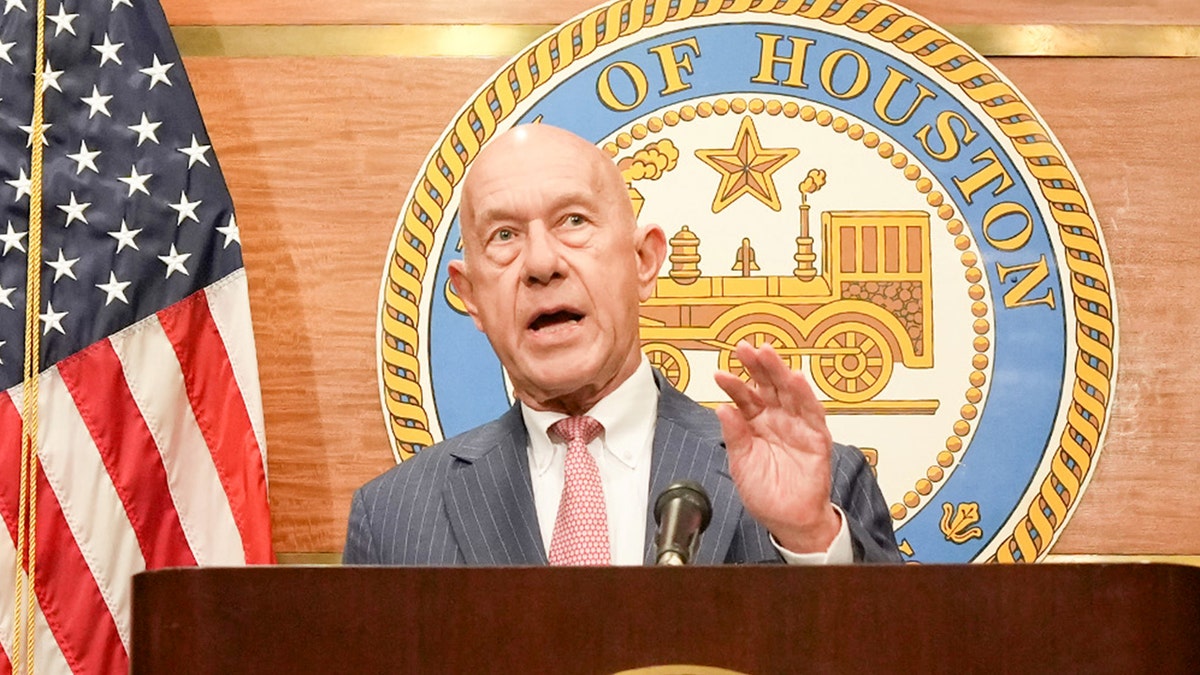
Houston’s Mayor John Whitmire announced significant changes in how the city will interact with federal immigration authorities. This announcement comes despite threats from outgoing Texas Republican Governor Greg Abbott, who had previously warned of funding cuts for non-compliance.
Following a historic political shift, Texas elected Democratic senator James Talarico, marking the state’s first such election since 1988. In response, Whitmire revealed restrictions on police cooperation with ICE. The restrictions pertain to ‘nonviolent contacts’ like minor traffic stops, where city police will not notify ICE.
‘If they’re charged with a new crime, we’ll let ICE know as we get them to the jailhouse,’ Whitmire stated to The New York Times.
Abbott recently lost his re-election bid, and the upcoming changes in the political landscape signal a shift towards more progressive policies. Ann Richards, Texas’ last Democratic governor, took office in 1990, representing a previous era of Democratic influence.
Whitmire’s decision arose partly due to the anxiety Abbott’s order had caused within Houston communities. The mayor shared that reducing fear and building a stronger community were key factors in his executive order signed on Friday afternoon. This order halts ICE notifications for nonviolent offenses.
While the city awaits the installation of Gov.-elect Gina Hinojosa in January, Whitmire emphasized the responsibility and effectiveness of the new policy. However, the Department of Homeland Security expressed disappointment with this decision, arguing that cooperation with ICE aids in arresting criminal illegal aliens.
A Houston DHS spokesperson highlighted recent cases involving serious crimes by illegal immigrants, including convictions of willful homicide and sexual offenses against children. They stressed that partnerships with law enforcement contribute to public safety.
Previously, Whitmire’s March policy required a sergeant’s presence for situations with immigration-related warrants. If ICE was unable to respond within 30 minutes, the suspect would be released. This policy was relaxed following pressures from state authorities.
The Houston City Council initially approved limitations on how long police could wait for ICE. Still, revisions were made when Abbott threatened the city’s funding. Whitmire’s latest decision returns to initial restrictions, focusing notification efforts on jailable offenses.