
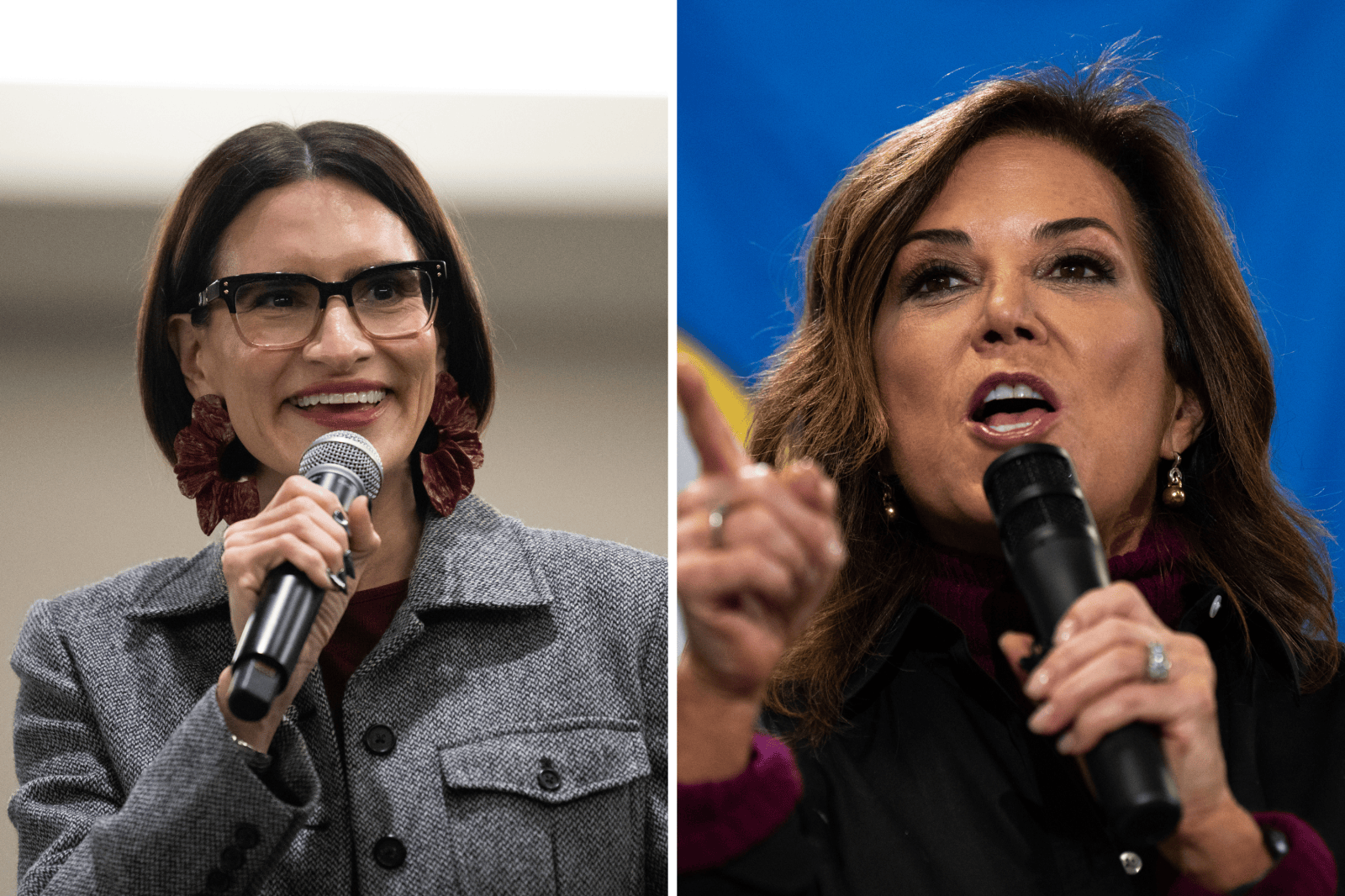
In the recent Minnesota U.S. Senate race, Democrat Peggy Flanagan secured a victory against Republican Michele Tafoya. Flanagan, who serves as the Lieutenant Governor of Minnesota, won with 53.7% of the vote compared to Tafoya’s 43.6%. This election saw Democrats making significant gains in various states, including those traditionally held by Republicans.
Flanagan’s win marks a milestone as she becomes the first Native American woman elected to the U.S. Senate. Although Minnesota is typically a Democratic stronghold, political analysts considered it a potential opportunity for Republicans to claim a Senate seat. David Schultz, a Hamline University professor, highlighted that voter concerns over corruption were influencing factors.
Contributing Factors to Tafoya’s Loss
According to Schultz, two main events impacted Tafoya’s campaign negatively. The first was an endorsement from Donald Trump in mid-October. Prior to this, Tafoya had maintained some distance from the former President. The second event was a federal raid on Representative Ilhan Omar’s residence in Washington, D.C., which took place on October 12. Schultz reported that these incidents occurred only weeks before the election, likely bolstering Democratic support.
University of Minnesota’s Larry Jacobs noted that voters reacted against Trump, attributing him to broader national issues like the high cost of living. He explained that other concerns did not gain traction with the electorate. Before these events, polls showed Tafoya close to Flanagan, albeit still an outsider in the race.
Schultz suggested that undecided voters veered away from Tafoya following the Omar incident. This trend reflected a national shift against Republicans, rekindling negative sentiments about Trump’s administration.
Statements from Flanagan and Tafoya
After the election, Flanagan expressed gratitude to Minnesota’s voters, conveying her message in the Ojibwe language, translating to “thank you very much.” In contrast, Tafoya shared a perspective that emphasized the resilience of democratic institutions.
Too many on the left pronounce that our democratic institutions are broken whenever they don’t get the political results they want.
This quote from Wall Street Journal columnist James Freeman appeared on Tafoya’s social media, highlighting her stance on respecting voters’ choices.
Looking Ahead
The current Congress will return for a 2026 lame-duck session before the new session starts on January 3. During this period, Republicans will maintain control over their committees, allowing them to manage agendas until the newly elected officials assume their roles.
In Minnesota, Schultz forecasts that Republicans may struggle in federal elections unless they engage urban and suburban voters more effectively in regions such as Minneapolis and St. Paul.
If you have further inquiries regarding this article, please contact Newsweek editors Anna Skinner and Dave Siminoff.