
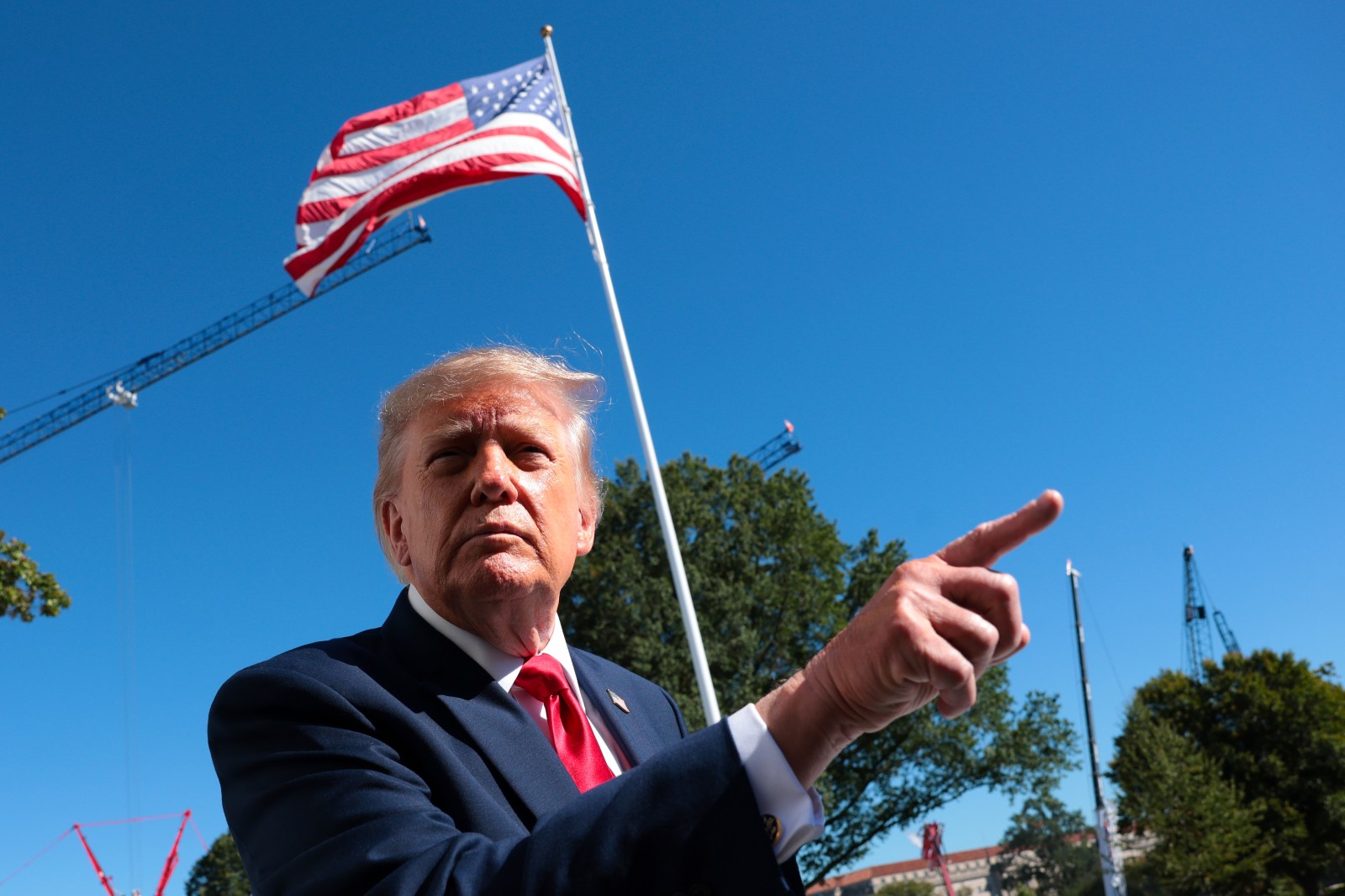
The White House stated on Tuesday that President Donald Trump will not reimburse taxpayers for public service announcements aired by his administration. This follows a post by Trump on Truth Social where he expressed an intention to fund the ads himself. The controversy arose when one ad aired during Trump’s 2024 presidential campaign, drawing criticism.
Trump remarked on Truth Social that critics on the left were unhappy with his use of U.S. funds for promotional ads he deemed beneficial to the country. He claimed he would use personal funds and money raised for MAGA, Inc., rather than relying on government money. However, a White House official clarified that Trump did not mean reimbursement, comparing the ads to past initiatives by the Obama and Biden administrations.
Details of the Controversial Ads
The first ad, which fueled the dispute, featured the song “Love Me” by JMSN without permission. It emphasized Trump’s policies, such as historic tax cuts and American manufacturing support. The ad’s visuals displayed “paid for by the U.S. government,” leading to bipartisan dissatisfaction over alleged misuse of taxpayer funds. Reports indicated that some ads cost over $443,000 to air.
Lawmakers’ Responses
Both parties criticized the ad funding. GOP Senate Majority Leader John Thune acknowledged the message’s value but opposed its taxpayer funding. Other Republicans, like Senators John Cornyn, John Kennedy, and Thom Tillis, shared similar concerns.
Democratic criticism included voices like Maryland Representative Jamie Raskin, who accused the ads of violating laws by functioning as government propaganda, akin to those seen in authoritarian states.
Trump’s Defense of the TV Ads
Trump and the White House maintained that the ads highlighted his administration’s policies, not his campaign. A September 25 press release asserted the ads reminded Americans of their country’s value and defense, dismissing any bias claims. Vice President JD Vance defended the ads as part of constitutional responsibilities to inform citizens.
Trump insisted the ads served national interests and were not for political promotion. He stated willingness to repay funds if deemed improper, reiterating their non-partisan nature.