
Every morning, I say goodbye to my family and head to work. As a blind advocate, accommodations are essential for my legal practice. These adjustments enabled me to take the bar exam, clerk at the Supreme Court, and maintain a family life. This support highlights the importance of accommodations in education and civic participation.
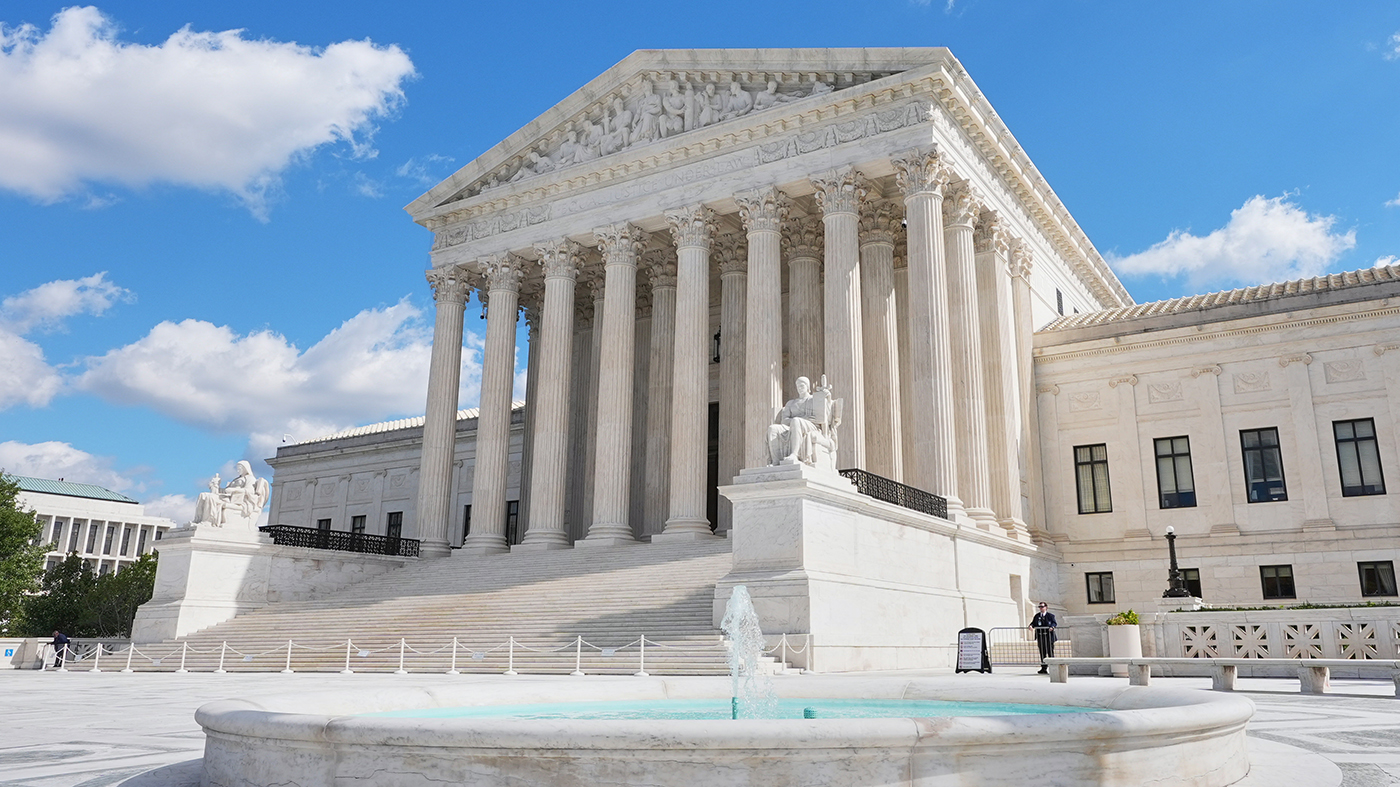
The Supreme Court faces a pivotal issue with St. Mary Catholic Parish v. Roy, a case argued by the Becket Fund for Religious Liberty. The case questions whether Colorado can legally exclude Catholic preschools from its tuition assistance program, which offers around $6,300 annually per child.
Colorado’s preschool funding program includes schools that prioritize children with disabilities, such as blindness or deafness. However, schools that accommodate children with specific religious beliefs, like Catholic or Evangelical preschools, are excluded.
Colorado differentiates between accommodations for disabilities and religious beliefs. Disabilities receive special attention, whereas religious beliefs face rejection. This creates an artificial distinction between physical limitations and spiritual constraints.
As a blind Catholic, my conscience is as immutable as my physical vision. Society has long acknowledged the need to support both disabled individuals and those with faith-based convictions. The Declaration of Independence advocates for equal rights based on the “Laws of Nature and of Nature’s God.”
Legal scholar Michael McConnell argues that accommodations may be necessary for equitable treatment. Disabilities and religion share common principles in this regard. Disability accommodations include ramps, closed-captioning, and Braille signage. Religious accommodations might provide kosher food for Jewish servicemembers or allow Sabbath observance for Seventh-day Adventists.
Historically, Quakers and pacifists served in alternative ways during wartime, and Prohibition permitted sacramental wine use. These accommodations reflect respect for human dignity and are not mere favors. They ensure societal recognition of constraints faced by Americans and encourage collaborative solutions despite potential costs.
In the St. Mary case, Colorado supports accommodations for disabled children but denies similar support to Catholic families whose beliefs restrict preschool choices. The rejection persists despite Catholic preschools closing, diminishing options for these families.
Dignity is a fundamental right for all, not a selective privilege determined by Colorado. Religious accommodations should be recognized as rights akin to disability accommodations. Colorado must honor the dignity of every citizen, regardless of religious beliefs.
Laura Wolk Slavis serves as counsel at the Becket Fund for Religious Liberty.