
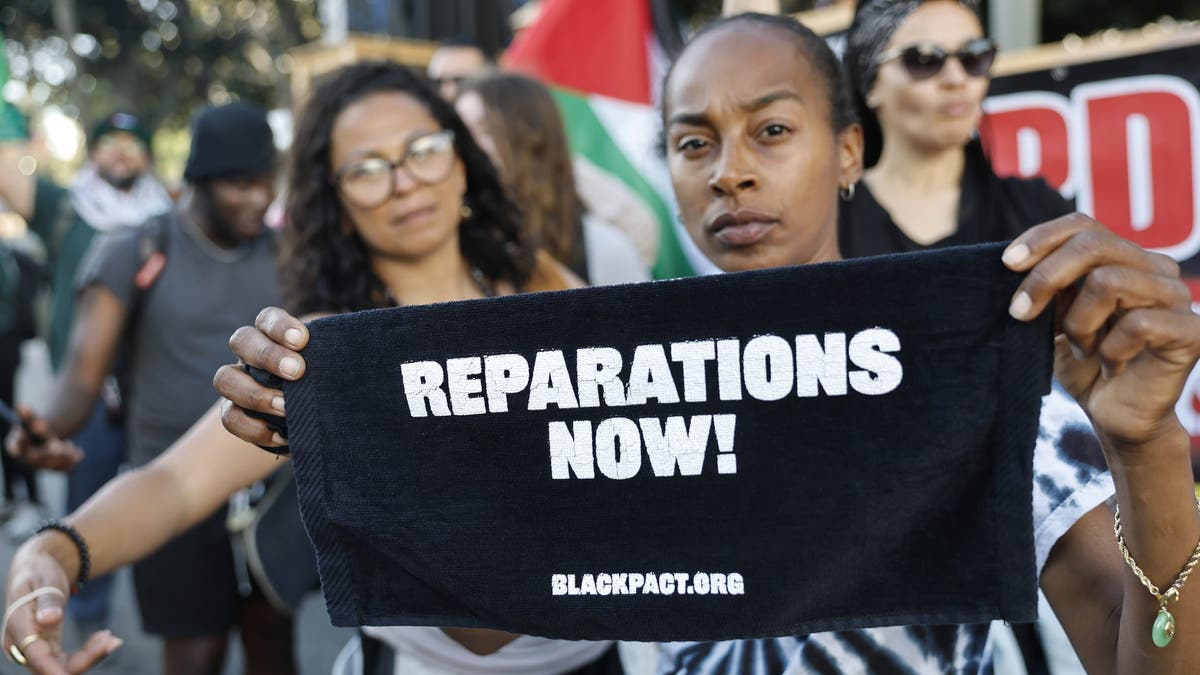
The Department of Justice (DOJ) has opposed the city of Evanston, Illinois, after it indicated plans to dismiss a federal lawsuit concerning its reparations program, which includes race as an eligibility criterion. The legal confrontation intensified as a judge granted the DOJ’s request to join the lawsuit initially filed by Judicial Watch, a conservative watchdog group.
Attorney Precious S. Jacobs-Perry, representing Evanston, stated the suburb plans to file a motion to dismiss the DOJ’s complaint. Evanston maintains its commitment to the program despite the legal challenges.
“Evanston’s race-based ‘reparations’ program is illegal under federal law. We will be opposing the motion to dismiss,”
a DOJ spokesperson told Fox News Digital.
Evanston Mayor Daniel Biss has defended the program, asserting it aims to address a wealth gap and “pay a debt.” This initiative provides $25,000 in direct housing-related benefits and cash to Black residents and their descendants who lived in Evanston between 1919 and 1969. Evanston became the first U.S. city to approve a municipal reparations plan in 2019, pledging $10 million over a decade funded by a local cannabis tax.
The DOJ’s complaint argues the program unlawfully allocates taxpayer benefits strictly based on race and ancestry, claiming it infringes on the Equal Protection Clause of the 14th Amendment and the Fair Housing Act. Judicial Watch’s lawsuit represents six non-Black individuals with ties to Evanston during the qualifying period who were excluded from the program due to their race.
“Evanston’s $25,000 government payments based on race are blatantly unconstitutional,”
Judicial Watch attorney Michael Bekesha said.
Bekesha also remarked on Evanston’s previous unsuccessful attempt to dismiss the lawsuit and expressed doubt over its current effort against the DOJ’s case. Regardless of the outcome, Judicial Watch remains committed to ending the reparations program.
The city’s spokesperson, Cynthia Vargas, affirmed Evanston’s intent to defend its reparations program, despite the ongoing legal battle.
Reporter Joshua Q. Nelson has extensively covered this story, focusing on cultural trends, education, and public policy, particularly around reparations in the U.S.