
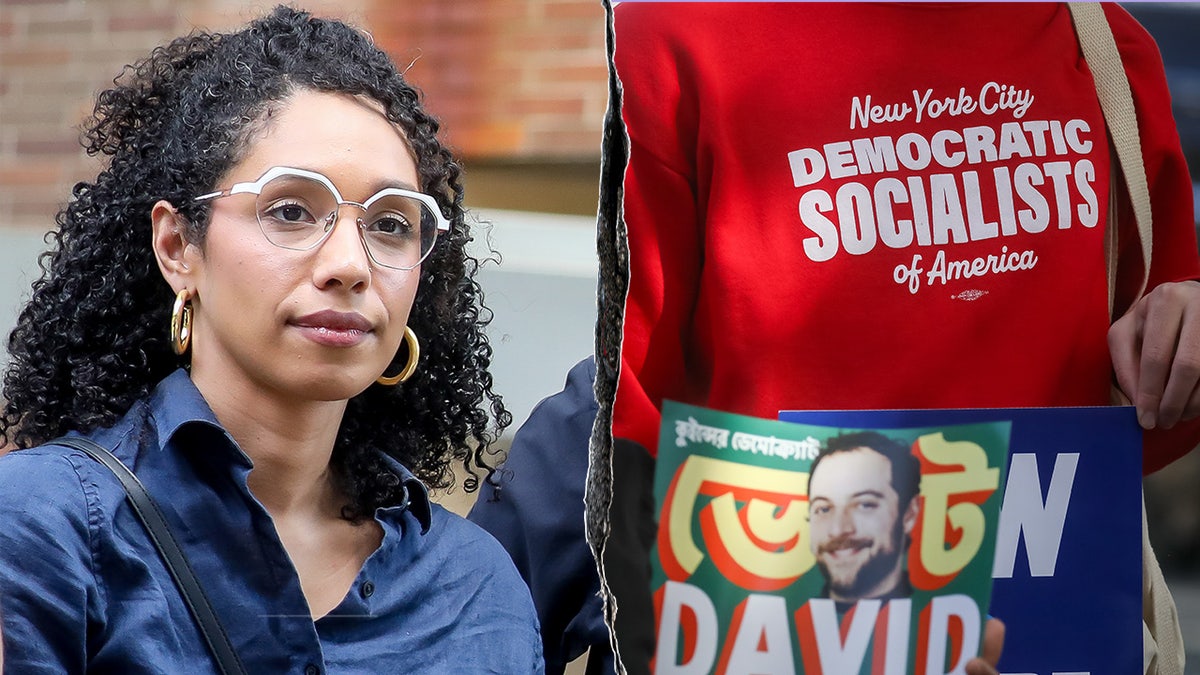
There is a little-known congressional strategy that might prevent members of the Democratic Socialists of America (DSA) from taking office in the House of Representatives, even if they win their elections. This maneuver hinges on the requirement that members-elect swear an oath to uphold the Constitution. At the start of a new Congress, this is usually done collectively by all 435 members, led by the House Speaker.
An idea gaining traction in conservative circles suggests that any member-elect can challenge another’s right to be sworn in. This challenge is valid if there is evidence suggesting that the person will not honor their oath. Such a challenge would result in House deliberations and a subsequent vote on the member-elect’s right to take office.
In the case of DSA members, the argument could be made based on their platform, which advocates for replacing the current U.S. Constitution. Several DSA members have already won primaries nationwide.
Speaker Johnson Rejects Rumors
Democratic socialist Darializa Avila Chevalier faced criticism for past comments involving the American flag. Rep. Keith Self from Texas suggested he might use the maneuver against individuals who do not sincerely commit to the oath. Self emphasized the importance of the oath as a belief and commitment to the country, not simply ceremonial words.
The “Red-Green Alliance” is a term used to describe cooperation between far-left groups and radical Islamic entities. Self insists that anyone actively undermining the Constitution should not be sworn in.
Legalities and Precedents
The Center for Renewing America analyzed that a challenge to a member-elect’s fitness can lead to the Speaker asking them to step aside for the debate. The House would then debate and vote on the evidence regarding the member-elect’s commitment to the constitutional order.
However, the success of such a move depends on several factors, including the Speaker’s stance. If Hakeem Jeffries is elected Speaker, he may dismiss such challenges. Similarly, Speaker Mike Johnson could choose not to pursue it.
This approach could also face legal challenges. The Supreme Court case Powell v. McCormack ruled that the House cannot exclude an elected candidate who meets age, residency, and citizenship requirements.
Despite legal precedents, discussions continue within the Republican party. For instance, Rep. Tim Burchett expressed intentions to block Chevalier from Congress over a 2019 social media post involving the American flag.
Whether these efforts will succeed remains uncertain. They highlight the partisan tensions building as preparations for the new Congress begin.