
Veterans to Access Psychedelic Drugs for Mental Health
The Trump administration is working to expand access to psychedelic drugs for treating post-traumatic stress disorder (PTSD) and depression among veterans. According to Andrew Gradison, a senior adviser at the Veterans Health Administration, up to 2.1 million veterans could benefit from such treatments, including psilocybin and MDMA. Currently, around 6.4 million veterans depend on the Department of Veterans Affairs (VA) for healthcare.
Christopher DiViaio, clinical director at Eleve Behavioral Health, emphasized the persistent impact of PTSD on veterans’ lives. While traditional treatments like therapy and medication have helped some, they are not universally effective, prompting increased interest in alternative therapies, including psychedelics.
Challenges in Implementation
Despite potential benefits, psychedelic drugs are not approved by federal regulators as safe treatments for mental health issues. The VA faces significant hurdles in ensuring safety and efficacy even if such treatments receive approval. Gradison has expressed the intention to increase the VA’s capacity to offer psychedelic therapies to veterans with mental health problems like PTSD or depression, estimating this could apply to up to one-third of regular VA patients.
Toby Marton, chief medical officer at Radial Health, explained that the VA is heavily invested in pilot programs across its network to prepare for rapid introduction of these therapies.
Providing treatment on a large scale presents logistical challenges. Gradison noted that within the first year, treating thousands of veterans would be difficult due to supply limitations and practical safety concerns.
Federal Focus on Psychedelic Research
The initiative stems partly from demands by the veteran community, a significant portion of whom experience PTSD and other psychiatric conditions related to military service. The VA is involved in 20 psychedelic clinical trials. Trump’s executive order also highlighted the need to explore substances like ibogaine, despite its classification as a Schedule I controlled substance.
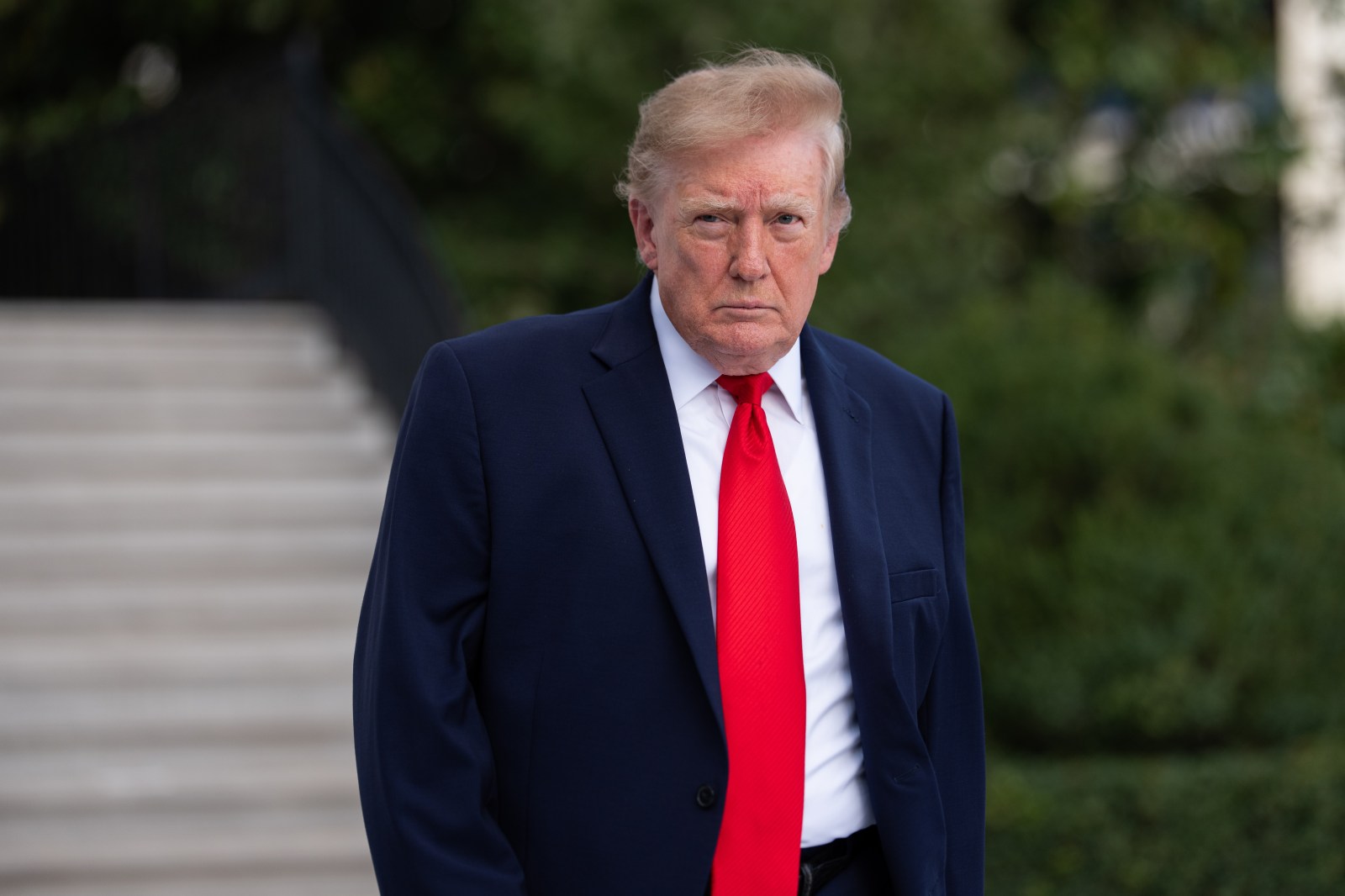
President Trump declared veteran suicide a national tragedy and highlighted the potential impact of psychedelic treatments. Health and Human Services Secretary Robert F. Kennedy Jr. echoed the sentiment, urging the exploration of promising interventions to aid veterans.
Regulatory and Approval Challenges
The primary obstacle remains FDA approval. A setback occurred in 2024 when the FDA rejected an application for MDMA-assisted psychotherapy for PTSD. Nonetheless, the Trump administration has initiated steps to accelerate psychedelic therapy development, including fast-track application reviews for companies like Compass Pathways developing synthetic psilocybin.
FDA approval would still leave the challenge of scaling treatment capacity within the VA. DiViaio cautioned against overselling psychedelic therapy as a miracle treatment, noting the need for careful consideration of patient suitability and support.
Future Developments
If approved, the Trump administration will face the task of integrating these therapies into VA services. DiViaio highlighted the necessity of considering affordability, access to trained professionals, and patient follow-up care, emphasizing that clinical promise does not guarantee practical accessibility.