
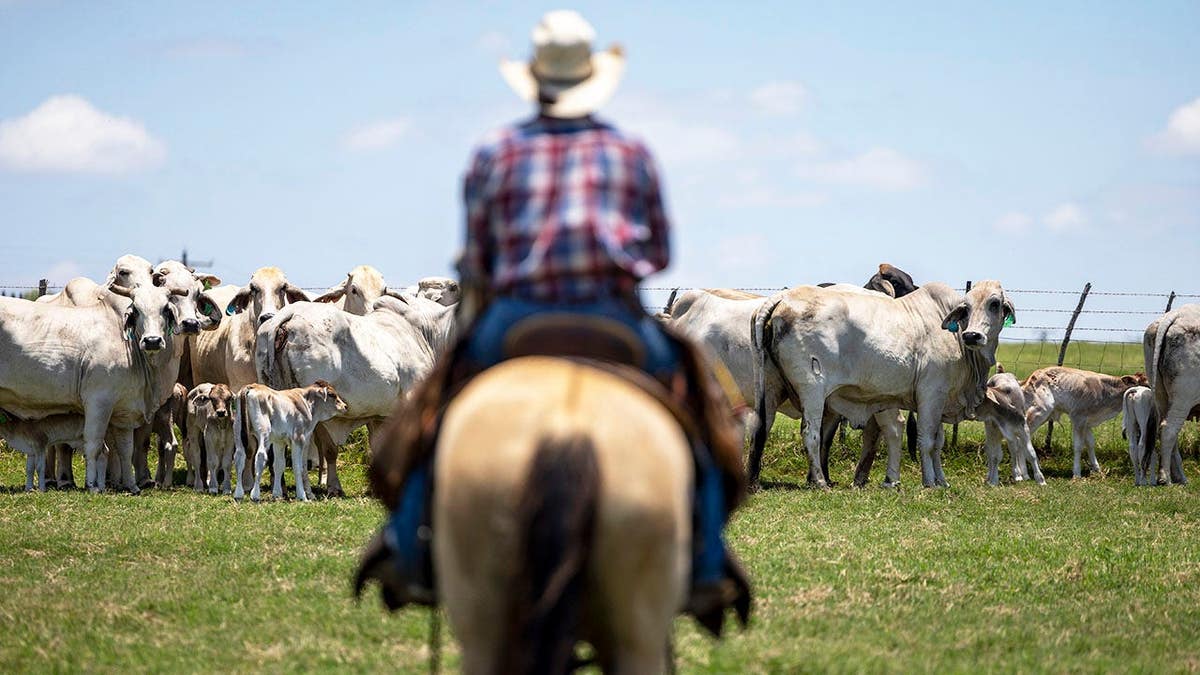
An alert has been issued in western Texas following the detection of a flesh-eating parasite known as New World screwworm in an elk. The parasite poses a threat to cattle and other wildlife. Officials are seeking the cooperation of hunters and ranchers in curbing its spread.
The U.S. Department of Agriculture (USDA) announced that New World screwworm was identified in an elk at a game ranch in Pecos County. The discovery was made by a hunter who reported the find after hunting the animal. As a result, the USDA and the Texas Parks and Wildlife Department (TPWD) are increasing wildlife surveillance efforts. The Texas Animal Health Commission is modifying a designated infested zone to address the outbreak.
“Hunters and others who spend time outdoors near infested areas are often among the first people to encounter affected wildlife, making their observations especially valuable to surveillance and response efforts,” the USDA emphasized in a statement.
As the parasite has been advancing north, Texas officials are encouraging vigilance. They urge hunters and ranchers to look for signs of New World screwworm. Symptoms to watch for include visible maggots in wounds, open or expanding injuries, foul-smelling wounds, and any signs of weakness or distress in animals. Infection indicators around the nose, mouth, ears, eyes, or genital areas require immediate attention.
The New World screwworm was eradicated in the U.S. decades ago but has been spreading through Central America and Mexico. Last year, livestock imports from Mexico were temporarily halted to contain the parasite, exacerbating a shortfall in cattle supply and contributing to record high beef prices. Importation resumed in stages starting last August.
Recently, the parasite was found in a Texas calf and later in other animals such as a horse and a dog. The detection of New World screwworm in the Texas elk marks the first confirmed U.S. wildlife case in the ongoing outbreak.
TPWD underscores the importance of inspecting harvested animals for indications of the parasite before processing or transporting them. Hunters should also observe any signs of abnormal behavior, appetite loss, head shaking, decay odors, or unusual animal isolation.
New Mexico has also reported the parasite in a beef cow, prompting the creation of a designated infested zone where animals undergo inspection and treatment as necessary before being moved. The USDA states that while New World screwworm presents threats to animal health and meat production, it does not compromise food safety.
Efforts to mitigate the outbreak include expanded fly surveillance, cattle treatments, and the release of sterile flies as part of federal eradication strategies. The National Cattlemen’s Beef Association is actively collaborating with state partners to fight screwworm, acknowledging federal actions aimed at controlling the spread.