
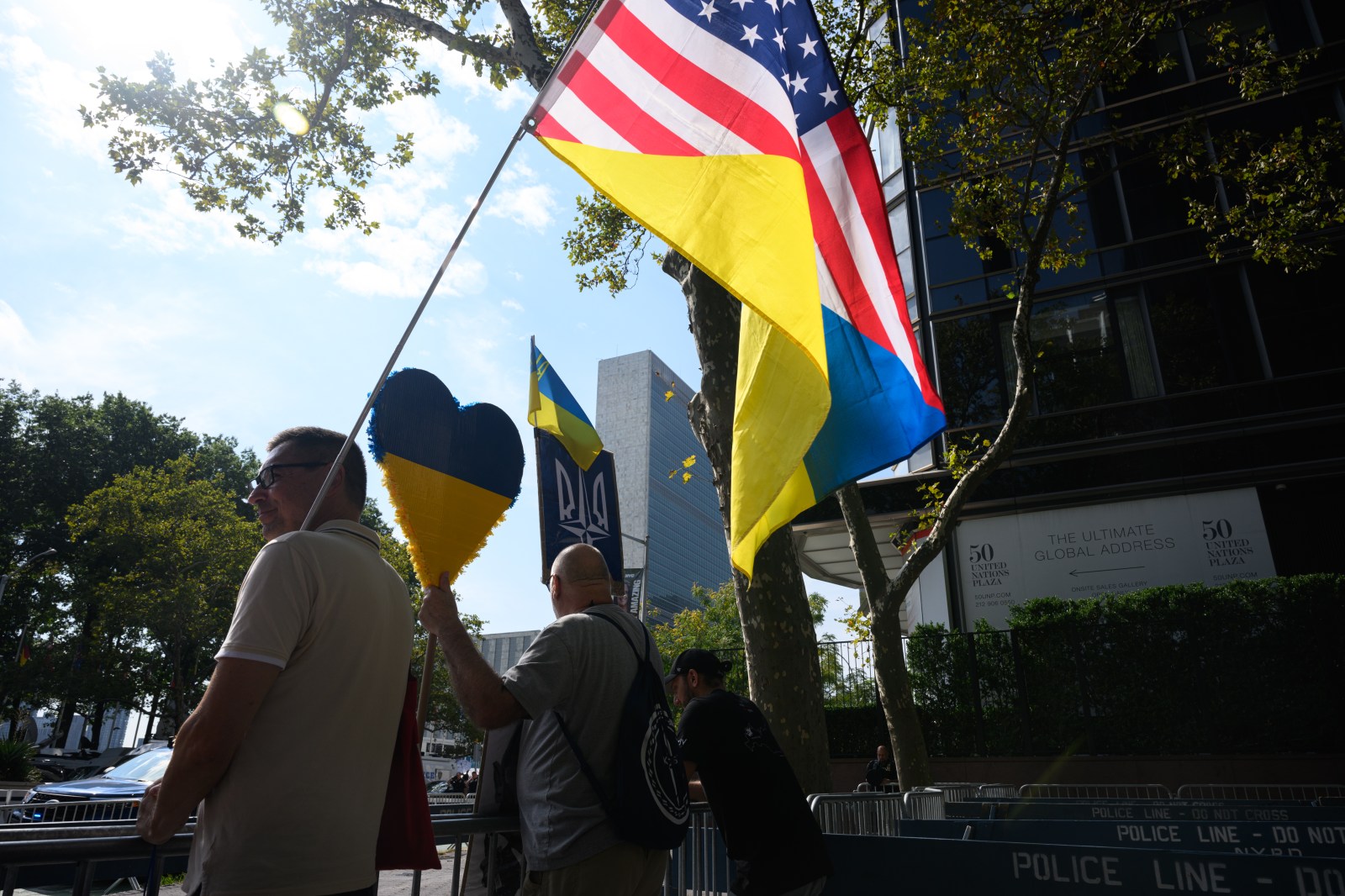
Ukrainian and Sudanese immigrants in the United States under Temporary Protected Status (TPS) will retain their protections for an additional six months. This follows the Trump administration’s decision to leave TPS status unresolved for both countries. This development occurs a couple of weeks before the midterm elections, amid bipartisan concerns about the status of Ukrainians who fled Russia’s 2022 invasion and have lived legally in the U.S. since. Senators Lisa Murkowski of Alaska and Susan Collins of Maine have raised these concerns.
TPS Status and the Trump Administration
The Trump administration has generally aimed to conclude TPS for several countries as their designations expired over the last 21 months, affecting hundreds of thousands of people. Despite ongoing conflicts and unstable conditions in countries like Venezuela, Haiti, and Afghanistan, many have lost work permits and deportation protections.
Both Ukraine and Sudan’s TPS designations reached their expiration on Monday without an announcement from the Department of Homeland Security (DHS). This triggered an automatic six-month extension. A DHS spokesperson mentioned that decisions for both countries would occur “at the appropriate time.” For now, TPS holders from these countries can remain in the U.S. with TPS protections.
Ongoing Uncertainty
While protections are in place for now, some advocates highlight the uncertainty faced by thousands without a clear decision. Dara Lind from the American Immigration Council criticized the administration for not extending TPS officially. “It’s long past time for Congress to step in,” Lind commented, suggesting that TPS holders should be eligible for permanent status.
Immigration Policy and Upcoming Elections
This situation unfolds as immigration remains a significant issue leading up to the midterm elections. A Pew Research Center survey in May indicated that 52% of Americans believed the Trump administration was overly aggressive in deporting undocumented immigrants, while 31% felt the actions were appropriate. Another survey in October showed a shift, with Democrats taking a slight lead over Republicans on voter trust regarding immigration. Concerns about the administration’s handling of immigration have surfaced, particularly following fatal incidents during protests in Minneapolis, and within the Republican party itself.
Current Conditions in Ukraine and Sudan
The DHS has previously terminated TPS for countries citing improved conditions. However, Ukraine remains at war with Russia, with ongoing U.S. involvement in negotiations. The conflict has displaced millions, including 101,000 Ukrainians in the U.S. benefiting from TPS. Senators Murkowski and Collins stressed the persistent threats and destructions in Ukraine, opposing any plans to send Ukrainians back.
Sudan is grappling with a humanitarian crisis and civil war since April 2023, displacing millions and devastating infrastructure. The United Nations has labeled it one of the world’s worst humanitarian crises. Approximately 1,700 Sudanese people in the U.S. hold TPS.
Krish O’Mara Vignarajah of Global Refuge pointed out the urgency for an official decision. “Families who depend on this status deserve a formal decision in writing,” Vignarajah stated, emphasizing the need for clear policy rather than media statements.
Next Steps for TPS
The continuation of TPS for Ukraine and Sudan is set for another six months. The DHS must determine their next steps at least 60 days before the default expiration in April.