
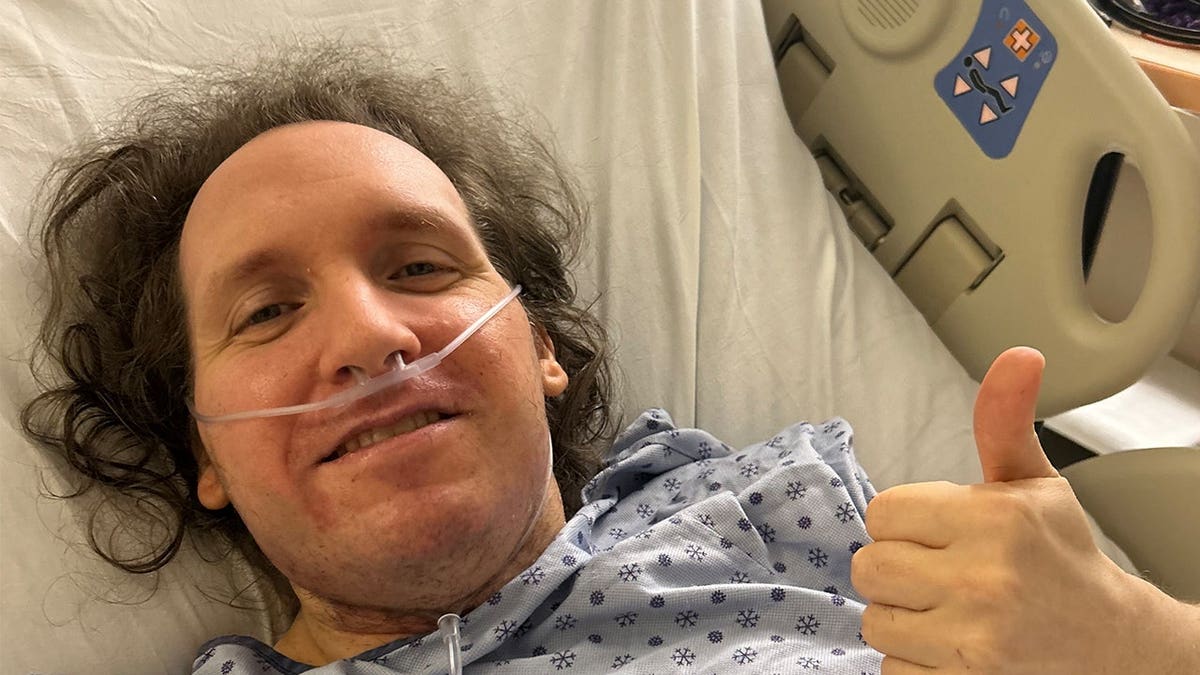
Roger Foley, a Canadian suffering from spinocerebellar ataxia, claims that staff at Ontario’s Victoria Hospital have discussed medically assisted death as he seeks the home care he needs. Foley has been hospitalized at London Health Sciences Centre for years aiming for a self-directed care plan.
In a letter dated July 7, 2026, Dr. George K. Dresser, Foley’s attending physician, stated Foley could safely leave the hospital if a home-care arrangement was approved by the Ontario government. Dresser argued that Foley has remained medically stable despite hospital-acquired infections and asserted that conventional home-care programs fail to address Foley’s complex needs.
“By any reasonable clinical standard, you could be discharged from our hospital if you had adequate support at home,” wrote Dr. Dresser, highlighting a community-based arrangement as both cost-effective and better suited to Foley’s needs.
Staff allegedly proposed assisted dying again in a disputed 2017 discharge process, threatening Foley with daily charges if current care offers were refused. Foley insists on returning to his apartment with preferred caregivers.
Concerns arose when the hospital withdrew essential lighting accommodations for Foley’s neurological condition in May 2025, complicating his care, as certain light wavelengths exacerbate his symptoms. With amber-spectrum lighting removed, Foley relies on large, heavy protective goggles under fluorescent lighting, straining his neck further.
Financial restraints hinder Foley in hiring outside workers for necessary assistance. He claims some hospital staff refuse care unless fluorescent lights are used, though others managed with amber lighting.
Foley’s distrust grew in May 2025 as hospital staff questioned him about suicidal thoughts amid the lighting accommodation removal. He refuses these discussions now, wary after past experiences where medical assistance in dying (MAID) was suggested.
Despite prolonged hospitalization, Foley has maintained his accessible, equipped apartment. He awaits self-directed funding to employ familiar caregivers. Brigitte Kranendonk’s story, involving a grandmother’s death under Canada’s assisted-death law, magnifies his concerns about MAID.
Foley, now focusing on the “Bring Roger Home” initiative, seeks funds for care and releases past music to aid home-care costs and assist others in similar situations. One song, “Limitless with Limitations,” espouses his belief in overcoming personal challenges.
He highlights Canada’s MAID system inadequacies, emphasizing treatment access before considering assisted death.
Foley’s goal: return home, reconnect with loved ones, and live independently. He believes meaningful treatment options can offer hope beyond MAID.
Attempts to get comments from relevant parties, including London Health Sciences Centre and Ontario’s health authorities, were unsuccessful.