
Current Market Conditions
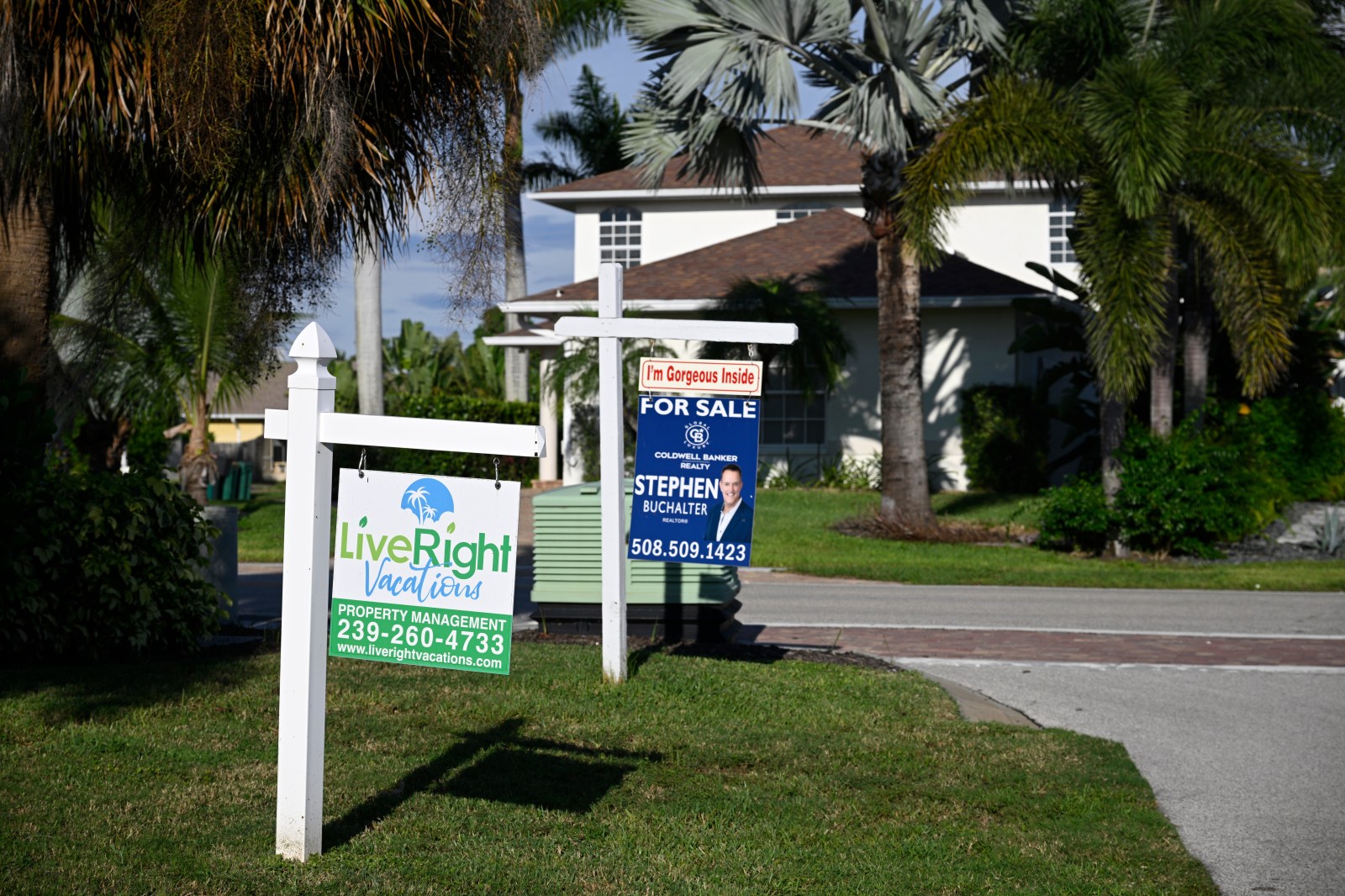
The latest data shows that sellers in the U.S. housing market exceed homebuyers by a significant margin—63 percent. This disparity is largely due to rising mortgage rates and persistent economic concerns, prompting many potential buyers to retreat. According to real estate brokerage Redfin, the buyer count dropped to its lowest since tracking began in 2013, with figures down to approximately 928,892—a decrease of 2.4 percent from the previous month. Conversely, the number of sellers reached its highest point since March 2020, with more than 1.5 million sellers reported across all residential property types in September, marking a 1.2 percent increase from August.
Factors Impacting the Market
The data indicates that the current market conditions resemble those seen during the post-recession housing crash, showcasing the challenges U.S. homebuyers face since the pandemic. Despite these difficulties, homebuyers are in a better situation compared to the 2008 crash.
The surplus of sellers surged towards summer’s end, driven by climbing mortgage rates and inflation, exacerbated by rising gasoline and diesel costs. In August, sellers outnumbered buyers by 56.9 percent—the gap expanded nearly 6 percent within a month.
Why Buyers Are Retreating?
Experts previously anticipated lower mortgage rates through 2026, enhancing housing affordability for Americans. Until late February, rates were slowly falling. However, geopolitical tensions, such as the U.S.-Israel joint strikes in Iran, led to economic instability and reversed the trends. The average 30-year fixed-rate mortgage climbed to 5.98 percent in late February, according to Freddie Mac. The Federal Reserve’s decision to raise interest rates further propelled mortgage rates upwards, now averaging 7.4 percent as of October 8.
Implications for Buyers
For buyers willing to enter the market, there could be advantages. Forty-one of the 50 most populous U.S. metropolitan areas are currently considered “buyer’s markets.” In these areas, buyers have the upper hand over sellers, allowing for better negotiation opportunities. Redfin defines a buyer’s market as one where sellers outnumber buyers by over 10 percent.
Asad Khan, Redfin’s senior economist, emphasizes that this buyer’s market stems from caution rather than strength. Buyers possess considerable negotiating power largely because many potential buyers are unable to afford current market conditions or are deterred by uncertainties. For those with the necessary budget and job security, this represents a unique opportunity to be selective in their purchasing decisions.
Regions with the Largest Buyer Advantage
In Miami, buyers outpaced sellers by 158.9 percent last month. Here, 26.9 percent of for-sale homes reduced prices, with a median sale price of $649,691—up 4.8 percent from last year. Nashville follows with a surplus of 152.3 percent, where 38.3 percent of homes had price reductions, with a median price of $464,779—down 1.1 percent year-over-year. Houston saw a 134.6 percent gap, with 35.8 percent of homes reducing prices, and a median property price of $341,837, down 2.3 percent from the previous year.
These areas are in the Sun Belt, including Texas and Florida—states that experienced significant new housing development post-pandemic. However, newer homes have flooded the market amid a slowdown in domestic migration, with many would-be movers remaining in high-cost areas due to changes like return-to-office mandates. Additionally, rising home values have priced out many locals due to increased property taxes, homeowner association fees, and insurance premiums.
Remaining Seller Markets
Certain metropolitan areas remain balanced or favor sellers. Regions like Boston, Chicago, New Brunswick, NJ, and Providence, RI, exhibit balance. Meanwhile, Nassau County, NY; Montgomery County, PA; Newark, NJ; Milwaukee; and San Francisco are classified as seller’s markets due to tighter inventory levels relative to demand.
San Francisco is an exception, where the housing market boom is largely attributed to rapid AI industry growth, subsequently boosting home sales.