
Data center companies have faced challenges that highlight the difference between securing political favor in Washington and gaining nationwide acceptance. Despite obtaining necessary permits and backing from government agencies, they encountered unexpected opposition from local communities. This serves as a lesson for businesses as they prepare for the upcoming midterm elections.
The Political Landscape
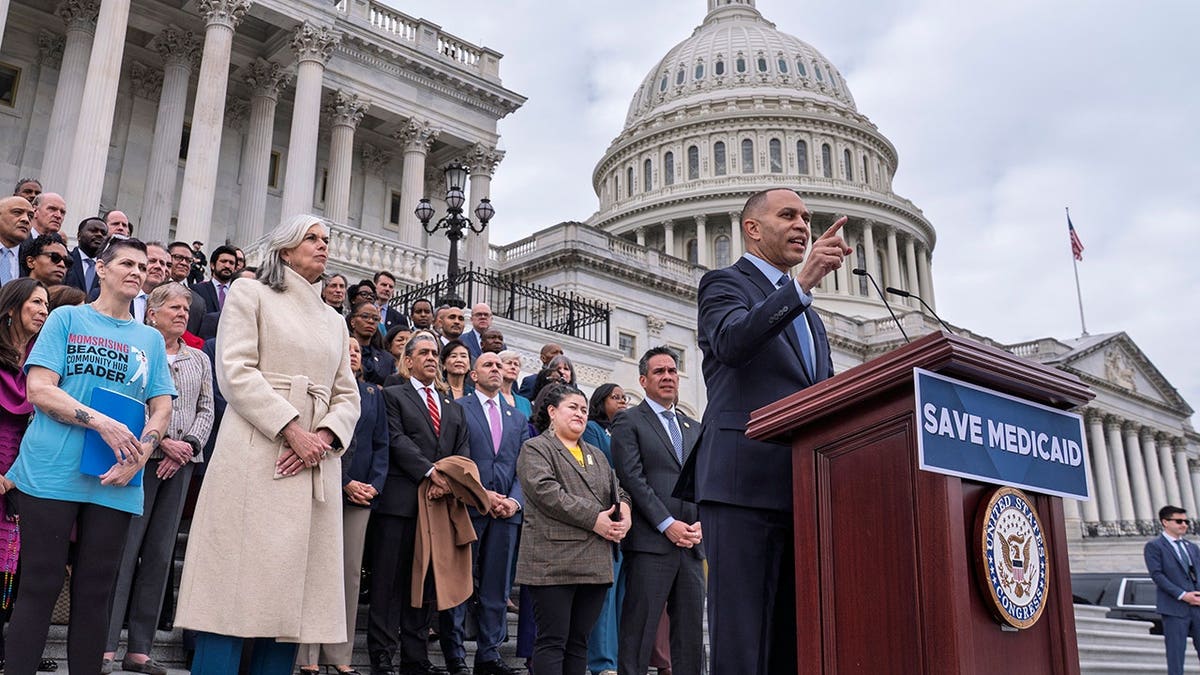
Polls indicate a potential Democratic sweep of Congress. However, equating a Democratic Congress with an entirely Democratic-controlled Washington would be a mistake. Corporate strategies benefit when communication and government affairs departments collaborate effectively. A shift in congressional power doesn’t diminish the influence of the presidential office, as seen with past presidents who continued to exercise regulatory authority despite an opposing Congress.
“Communications and government affairs teams must evaluate stakeholders together.”
Historical examples show that losing congressional power does not always lead to policy changes. President George W. Bush proceeded with significant policies despite losing a Republican majority in Congress. Similarly, Presidents Obama and Trump continued with executive actions despite opposition-controlled Congresses. President Biden’s administration also pursued aggressive regulatory actions towards the end of his term.
Corporate Strategy and Elections
November’s election results will not reveal stakeholders’ views on all future issues. It is crucial for communications and government affairs teams to assess their stakeholders collectively. Past experiences with data centers illustrate the consequences of overlooking this approach. Despite securing permits and official support, local opposition stalled many projects. This highlights the need for comprehensive stakeholder engagement and communication strategies.
Consider the case of Diversity, Equity, and Inclusion (DEI). Companies have navigated DEI controversies with varying success. The Trump administration’s actions in early 2025 brought DEI back into focus, impacting government contractors significantly. If Democrats investigate these corporate practices, effective communication with stakeholders becomes vital. Establishing trust is essential to address potential challenges.
Preparing for the Future
Beyond DEI, immigration-related pressures on industries like hospitality further demonstrate the importance of coordinated strategies. Hotel chains, for example, have faced scrutiny over their dealings with immigration agencies. Handling these challenges requires insight into both regulatory environments and customer expectations.
A unified approach, involving both government affairs and corporate communications, can guide companies in building a robust post-election strategy. This strategy should identify vulnerabilities, leverage opportunities, and anticipate shifts in alliances. Understanding both regulatory frameworks and stakeholder sentiments ensures a consistent message across all platforms.
Businesses must avoid assuming voter preferences align with party lines. Economic concerns often drive voter behavior, affecting industries differently. Successful companies recognize the diversity of stakeholder interests and maintain open communication channels to address these varied concerns.