
Erika Lee, 30 years old, was raised in Diamond Bar and pursued her education at USC. Initially starting her career in Southern California, she later shifted to the crypto industry and relocated in February from her West Hollywood apartment to San Francisco. Lee joined an artificial intelligence insurance startup there.
Lee expressed surprise at how much she enjoyed San Francisco, seeing it as a thriving opportunity. Her story reflects a generational gap in California’s demographic evolution.
While much discussion centers on the ‘California exodus’ — people leaving for affordable living and lower taxes — new data indicates diverse demographic shifts influenced by age and income levels.
Demographic Trends
Baby boomers are moving to states such as Arizona, Nevada, and Texas. Conversely, younger Californians find relocating more challenging, often choosing destinations like Oregon, Utah, and Colorado when they do.
Young Angelenos, such as Lee, are staying in California but moving north amid the AI boom. San Francisco, alongside Fresno, has emerged as a popular choice due to its thriving job market and cheaper housing.
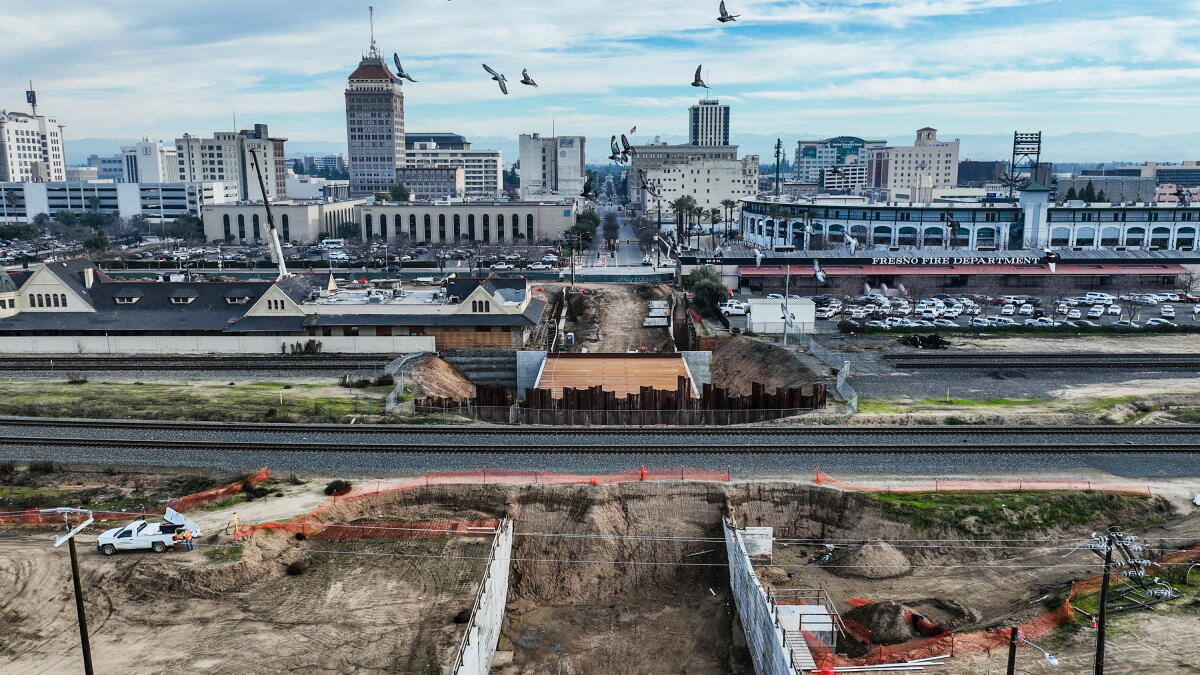
Fresno Mayor Jerry Dyer noted increased relocations from the Bay Area and Los Angeles since 2021. Initially, families moved to Fresno while working remotely, but younger individuals followed, lowering the average resident age to 31.
Fresno’s appeal includes affordable costs (average home prices are $400,000), less traffic congestion, and proximity to natural parks, drawing new downtown residents.
Dyer expressed concern about Bay Area newcomers influencing local politics in a moderate city.
Impact and Insights
The influx has created housing demand, pushing rents and home prices upward, which worries Dyer about affordability for long-time residents.
Ex-Angelenos discuss Fresno’s pros and cons online. They note fewer nightlife options than Los Angeles but emphasize the affordability and central location.
One Reddit user shared their experience of settling in Fresno due to its reasonable housing market, which enabled family life.
Generational Insights
U-Haul data highlights generational migration:
- Baby Boomers: Move to Arizona, Nevada, Texas, Oregon, Utah.
- Gen Xers: Favor Arizona, Nevada, Utah, Texas, Washington.
- Millennials: Often remain in California but opt for Texas, Oregon, Tennessee, Colorado, Utah.
- Gen Z: Choose Texas, Oregon, Washington, Nevada, Arizona.
Millennials largely relocate within California, preferring San Francisco or Bakersfield. Meanwhile, Gen Z mirrors millennial preferences, with notable destinations including Fresno.
Lee’s Move and Reflections
Lee appreciates San Francisco’s AI job prospects despite lifestyle changes — working long hours as part of the industry’s 9-9-6 culture. Her current situation limits city exploration.
Reflecting on the temporary nature of this work-life balance, Lee plans to spend a few years in San Francisco but remains open to returning to Southern California.
California Migration Trends
National trends show boomers and Gen X movers placing California outside the top 10 destination states. For millennials, California ranks third after Florida and Texas. San Francisco itself is the fourth biggest draw.
Gen Z migration ranks California second, trailing Texas. San Francisco and Los Angeles attract Gen Z movers after New York, Dallas, and Chicago.
The net domestic out-migration persists, with approximately 215,000 more departures than arrivals from July 2024 to 2025.
In comparison, the gap peaked at 370,000 in 2021 and saw an increase from the previous year’s data.
Los Angeles exhibits a similar trend, with nearly 100,000 more people leaving than arriving in 2025. San Francisco County’s migration rate remains nearly unchanged since 2023.
Counties like Kern and Fresno, drawing young Angelenos as per U-Haul data, similarly maintain stable migration levels.
California’s overall population slightly increased over the past three years yet still remains below its pre-pandemic peak following significant departures.