
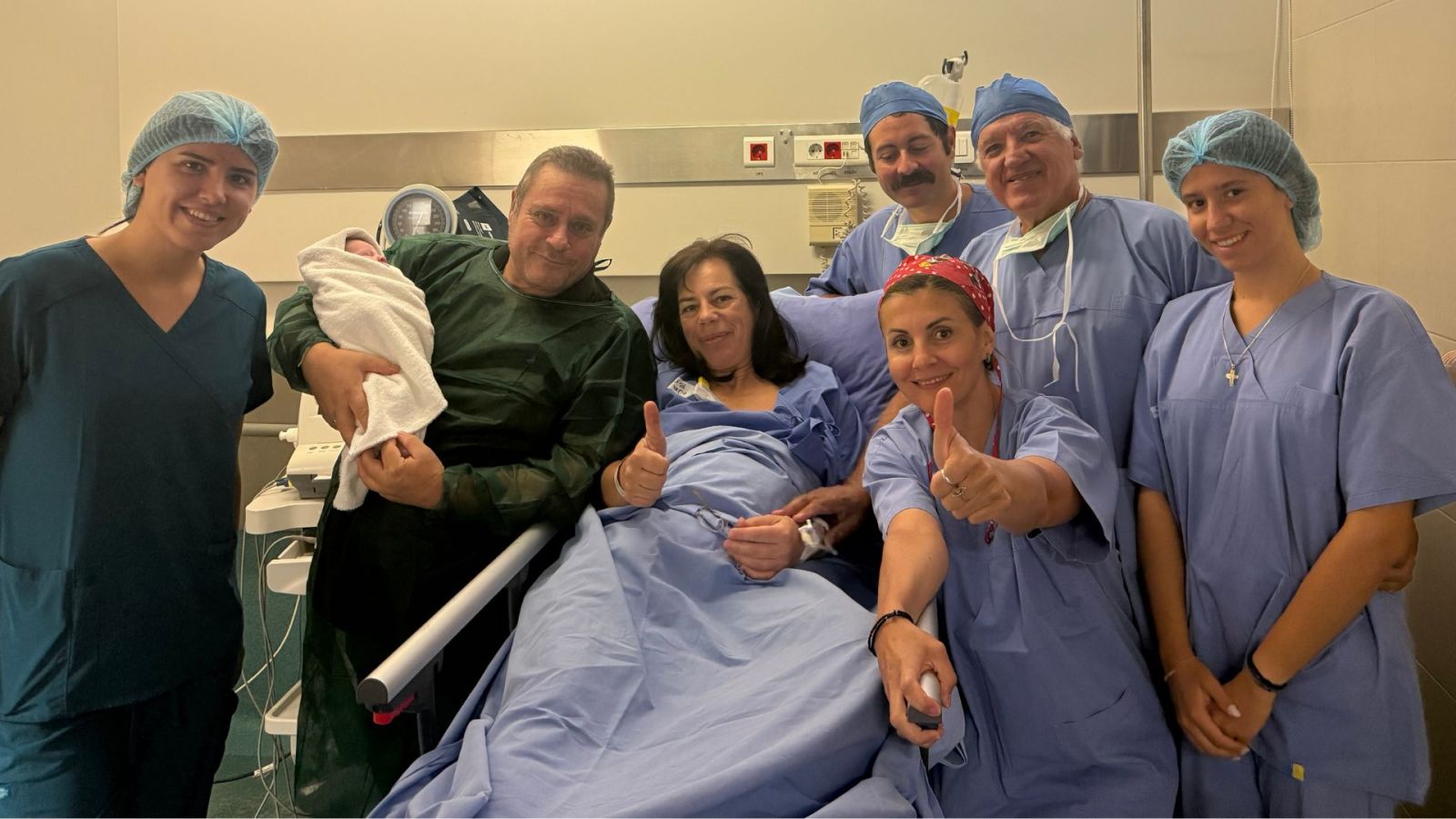
A couple from Greece gained global attention by welcoming a baby girl from embryos frozen 22 years ago, used previously to conceive their son. Christina Rapti-Tzelepi, at 54, gave birth this month via in vitro fertilization (IVF) at Genesis Athens Clinic. The embryos were stored on March 17, 2004, and were part of the batch used to conceive their late son, George.
Following their son’s tragic death in October 2025, Christina and her husband Konstantinos chose to have another child. In Greece, women face a maximum age limit of 54 for IVF, leaving the couple with limited time and a need to act swiftly while grieving. According to Newlife IVF Greece, the age restriction is intended to mitigate medical risks and acknowledge the natural limitations of advanced maternal age. The couple now advocates for legal reform.
In an interview with Newsweek, facilitated by their gynecologist Dr. Konstantinos Pantos, the couple discussed their journey from profound grief to joy. Dr. Pantos highlighted the emotional complexity of their pregnancy. Initially, Konstantinos struggled to attend medical appointments due to ongoing grief, but began accompanying Christina over time.
Race Against Time
The Rapti-Tzelepis, who met 30 years ago, always envisioned a family. After difficulties conceiving, they opted for IVF at Genesis Athens Clinic, resulting in their son George. Despite complications necessitating a cesarean section, they preserved 12 embryos. When George died in a car accident, the couple faced a great loss but resolved to try for another child to find closure and familial joy.
By December 2025, with Christina nearing the age limit for IVF, they initiated treatment. Dr. Pantos observed that the couple experienced profound sorrow during the pregnancy. His first sight of Konstantinos smiling was when their daughter was born, although both parents were still processing grief.
Joy and Future Hopes
Despite concerns about pregnancy risks to Christina, with proper medical oversight from Dr. Pantos and surgical collaboration, the process was safe and effective. The couple expressed gratitude for the care they received and felt secure under Dr. Pantos’s guidance.
Their daughter was successfully conceived with embryos from 2004. She was born at full term, weighing about 7.6 pounds. The birth brought a sense of hope and renewal to Christina and Konstantinos, encouraging them to share the IVF story with their daughter when appropriate.
Calls for Legislative Reform
Despite their joy, the couple faces legal limits restricting further IVF attempts in Greece due to Christina’s age, hindering plans to expand their family. They feel constrained by legislation, especially as Christina remains healthy.
Dr. Pantos agrees the legal framework should be revisited. He contends that the current age limit imposed undue emotional strain on the couple during their grieving process. He believes the law should allow for flexibility, recognizing women’s later-life fertility decisions.
As Eurostat data indicates, the typical age for first-time mothers in Greece has risen to 31.2 years, surpassing the EU average of 29.9 years. While a cap on IVF age remains necessary, it should be more accommodating of situational factors rather than strictly adhering to age limits based on birth dates.