
Introduction to the Program
The U.S. government’s National Vaccine Injury Compensation Program has been operational since 1989, distributing over $5.5 billion to individuals suffering adverse effects from vaccines. Initiated under President Ronald Reagan in 1986, this ‘no-fault’ system swiftly compensates individuals facing severe vaccine reactions, bypassing complex federal court procedures, and simultaneously ensures the stability of the vaccine supply by protecting manufacturers from potential legal liabilities.
Historical Context and Impact
In the 1980s, a surge of lawsuits threatened vaccine manufacturers, risking their exit from the market. The shortages in vaccines like diphtheria, tetanus, and pertussis drove prices up and endangered access to basic immunizations. The National Vaccine Injury Compensation Program helped mitigate these threats, allowing manufacturers to continue producing crucial vaccines.
Mechanism of the Program
The program presumes causation for specific vaccine-related injuries, lifting the burden of proving negligence and causation from families. An expert committee conducts scientific reviews to establish this list of presumed injuries.
Kennedy’s Criticism and Proposals
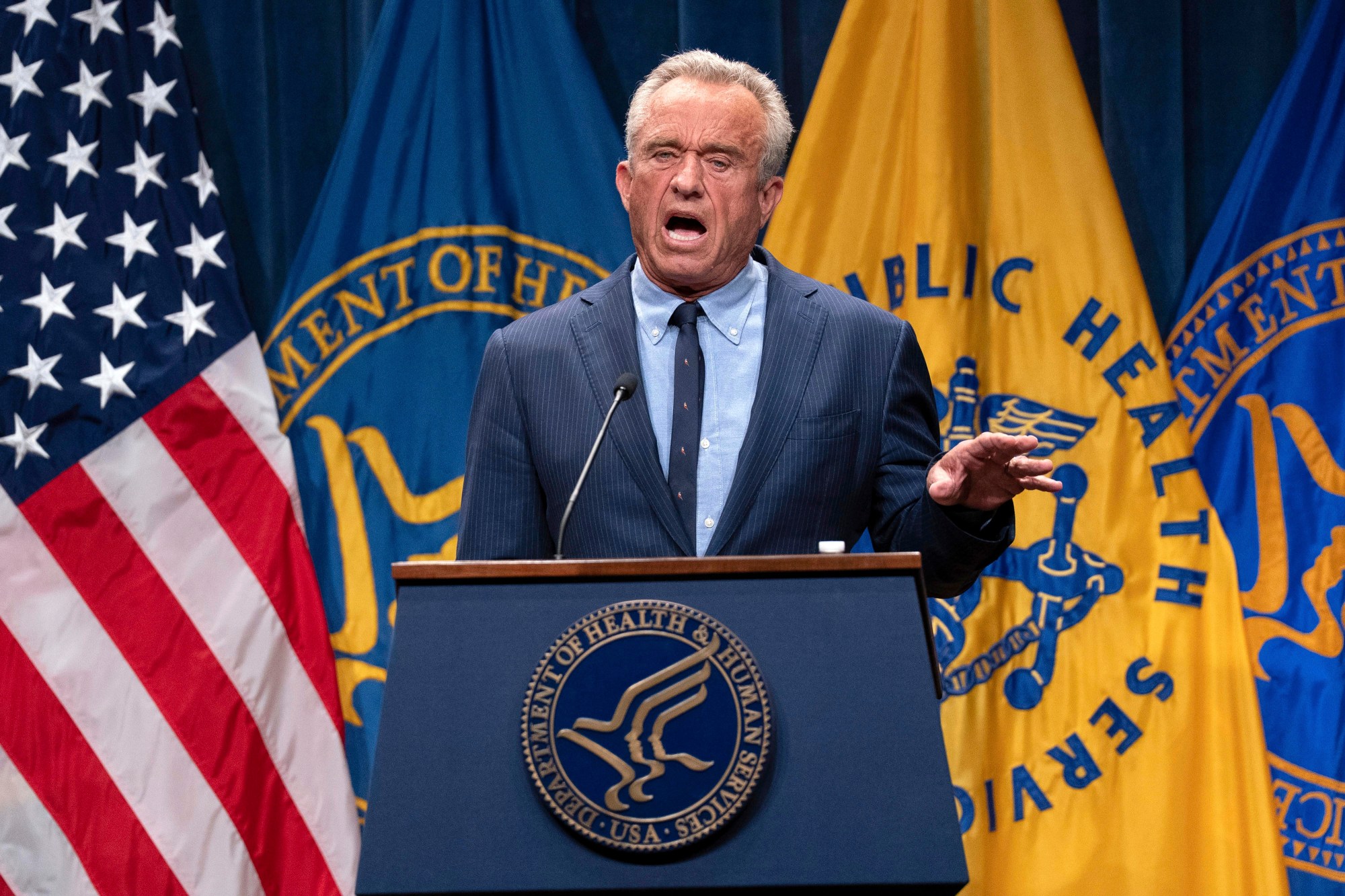
Health and Human Services Secretary Robert F. Kennedy Jr. criticizes the program as a ‘corporate shield’ for pharmaceutical companies. He aims to shift vaccine injury claims to civil courts, opening them to traditional litigation processes involving negligence and causation. Additionally, Kennedy proposes listing autism as a presumed injury caused by vaccines — a move likely to overwhelm the system with claims, threatening its collapse.
Implications of Listing Autism
The proposal to list autism, despite being unsupported by scientific consensus, could drastically raise vaccine litigation risks, hike prices, and drive companies out of vaccine production. This could lead to shortages, more disease outbreaks, and weakened herd immunity, affecting vulnerable groups such as newborns, the elderly, and the immunocompromised.
Impact on Affected Families
The fund has compensated over 12,500 Americans, providing a streamlined avenue for relief. Dismantling it forces families into a traditional civil tort system with burdensome legal battles, exorbitant fees, and the daunting task of proving manufacturer fault. Though the system needs administrative improvements, replacing it with flawed litigation options fails the victims it aims to support.
Note: Richard Sauber, a Washington lawyer and former special counsel to President Biden, provides legal expertise on the matter.
Copyright © 2026 Nexstar Media Inc. All rights reserved. Unauthorized reproduction prohibited.