
Trump’s Rejection of Iran’s Strait Proposal
President Donald Trump announced his refusal of Iran’s latest offer to reopen the Strait of Hormuz and cease ongoing hostilities. He considers the proposal unacceptable but remains open to further discussions.
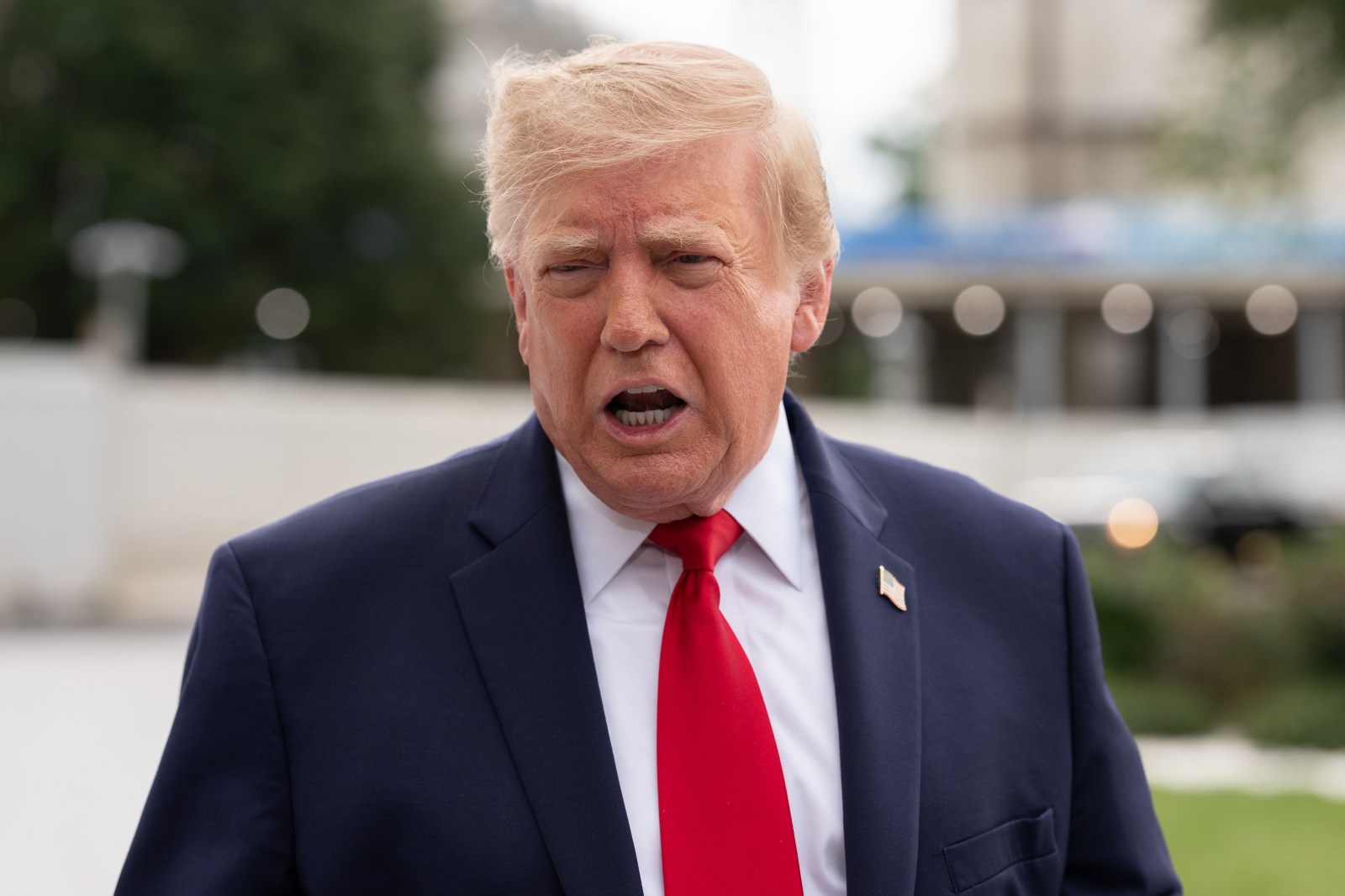
Speaking to reporters before his departure from the White House, Trump stated, “They want to make a deal and I think that’s fine. I’d like to make a deal too. But that deal would not be acceptable.” This rejection stands as a setback in diplomatic efforts aimed at ending the seven-month conflict involving the United States, Israel, and Iran. The conflict has severely impacted global energy markets and reduced shipping through the significant oil transit route.
They want to make a deal to open the Hormuz Strait immediately because they’re losing so badly.
Iran’s Proposal and Economic Strain
Iranian officials have conveyed through mediators a proposal to reopen the Strait of Hormuz within seven days, aiming to restart discussions over Tehran’s nuclear program. In exchange, Iran demands relief from economic pressures and commitments related to the ongoing conflict.
The disruption caused by the conflict has led to a sharp decline in traffic through the waterway, affecting global oil supplies and sparking economic concerns beyond the Middle East. Trump’s refusal emphasizes Iran’s mounting economic struggles as a motivator for the proposal.
Advocating for Nuclear Program Talks
Iranian Foreign Minister Abbas Araghchi expressed readiness to resume talks on Tehran’s nuclear program if broader agreements are established. Iranian President Masoud Pezeshkian has also endorsed diplomatic efforts during his appearances at the United Nations General Assembly, despite holding firm against Washington’s pressure. Indirect communications between U.S. and Iranian officials occurred during the annual assembly of global leaders in New York.
Trump’s Address to the United Nations
Trump’s rejection follows a firm warning to Iranian leaders during his United Nations General Assembly speech. He stated Iran faced a choice between reaching a deal with the U.S. or risking “annihilation.” The administration claims military and economic pressure has fortified Washington’s negotiating stance, with Iran’s latest proposal seen as validation of this strategy.
Future Diplomacy Possibilities
Despite rejecting Iran’s proposal, Trump remains open to future negotiations. “They want to make a deal, and I think that’s fine,” Trump reiterated, expressing optimism about diplomatic solutions. While signaling diplomatic openness, Trump did not confirm whether military action might resume following the November midterm elections. The indirect talks during the United Nations General Assembly hint at ongoing willingness from both parties to discuss further.