
Venezuela’s Pre-Earthquake Crisis
Venezuela confronted severe challenges before the earthquakes on June 24. Hospitals lacked medicines and equipment, and daily power outages were common. Around 8 million people needed humanitarian support. The country faced what experts called a complex humanitarian emergency for years, driven by democratic erosion, corruption, economic sanctions, and high inflation.
According to the United Nations, nearly 8 million Venezuelans fled the country over the past decade, creating one of the world’s largest displacement crises. Phil Gunson, a senior analyst at International Crisis Group, highlighted Venezuela’s sustained societal collapse. Now, the country grapples with the impact of severe natural disasters.
Earthquake Impact and Government Response
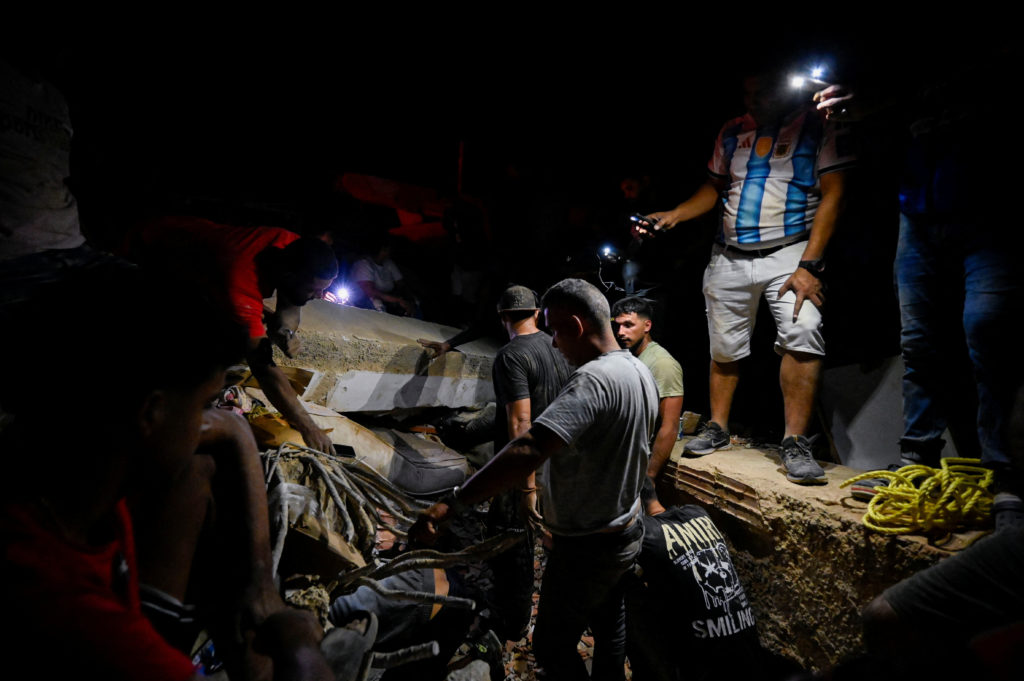
Within a week of the back-to-back 7.2 and 7.5 magnitude earthquakes in northern Venezuela, many civilians resorted to using bare hands to clear rubble, pleading for government assistance. Laura Cristina Dib of the Washington Office on Latin America noted the uncoordinated state response, leaving citizens in deep vulnerability.
The Venezuelan government reported 2,295 deaths and 11,000 injuries from the earthquakes. However, these figures likely undercount the actual toll. Gianluca Rampolla del Tindaro, the UN humanitarian coordinator for Venezuela, mentioned procuring 10,000 body bags, and UN emergency relief coordinator Tom Fletcher suggested as many as 50,000 might be missing.
Political Context Before the Earthquakes
Approximately six months before the earthquakes, Nicolás Maduro was captured by the U.S. military. Delcy Rodríguez, the former vice president, assumed interim leadership with support from President Donald Trump’s administration. This capture provided hope for economic and democratic recovery. However, no plans for elections were announced, despite eased U.S. sanctions allowing Venezuelan oil sales.
Orlando Pérez of the University of North Texas stated that six months was insufficient to rebuild deeply weakened institutions. Experts noted the government’s priorities were regime survival and resource extraction, leaving the country vulnerable to external shocks like earthquakes.
Rescue Efforts and International Aid
Following the earthquakes, Rodríguez declared a state of emergency and appointed Juan Ernesto Sulbarán Quintero to lead rescue efforts. Despite aid from 27 countries and 40 rescue teams, government presence felt limited. Residents reported inadequate emergency services and turned to social media for help.
Pérez highlighted a lack of essential resources for emergency workers, who relied on cell phone flashlights and manual efforts in debris clearing. Civilian mobilization was significant, reflecting low expectations from the government.
Reports suggest the government hindered assistance. Entry was denied to a German medical team, and Colombian and Chilean groups faced delays. Access to the hardest-hit areas was restricted, prompting public anger.
Future Challenges and Potential Changes
As Venezuela focuses on rescue and recovery, the rebuilding phase poses additional hurdles. Estimated damages total $6.7 billion, and the need for housing and healthcare is immense.
Natural disasters often have political ramifications. Gunson noted that political legacies are defined during reconstruction rather than immediate response. Past examples, like the 1972 Nicaragua earthquake, highlight potential long-term effects on governance.
The U.S. holds significant influence over Rodríguez’s administration. Following Maduro’s capture, Trump proposed the U.S. would oversee Venezuela. However, sustained engagement through rebuilding remains uncertain, particularly with USAID’s absence.
Currently, the U.S. has deployed 2,000 troops and pledged $300 million in aid. The focus is on whether U.S. attention will continue through this critical rebuilding phase.