
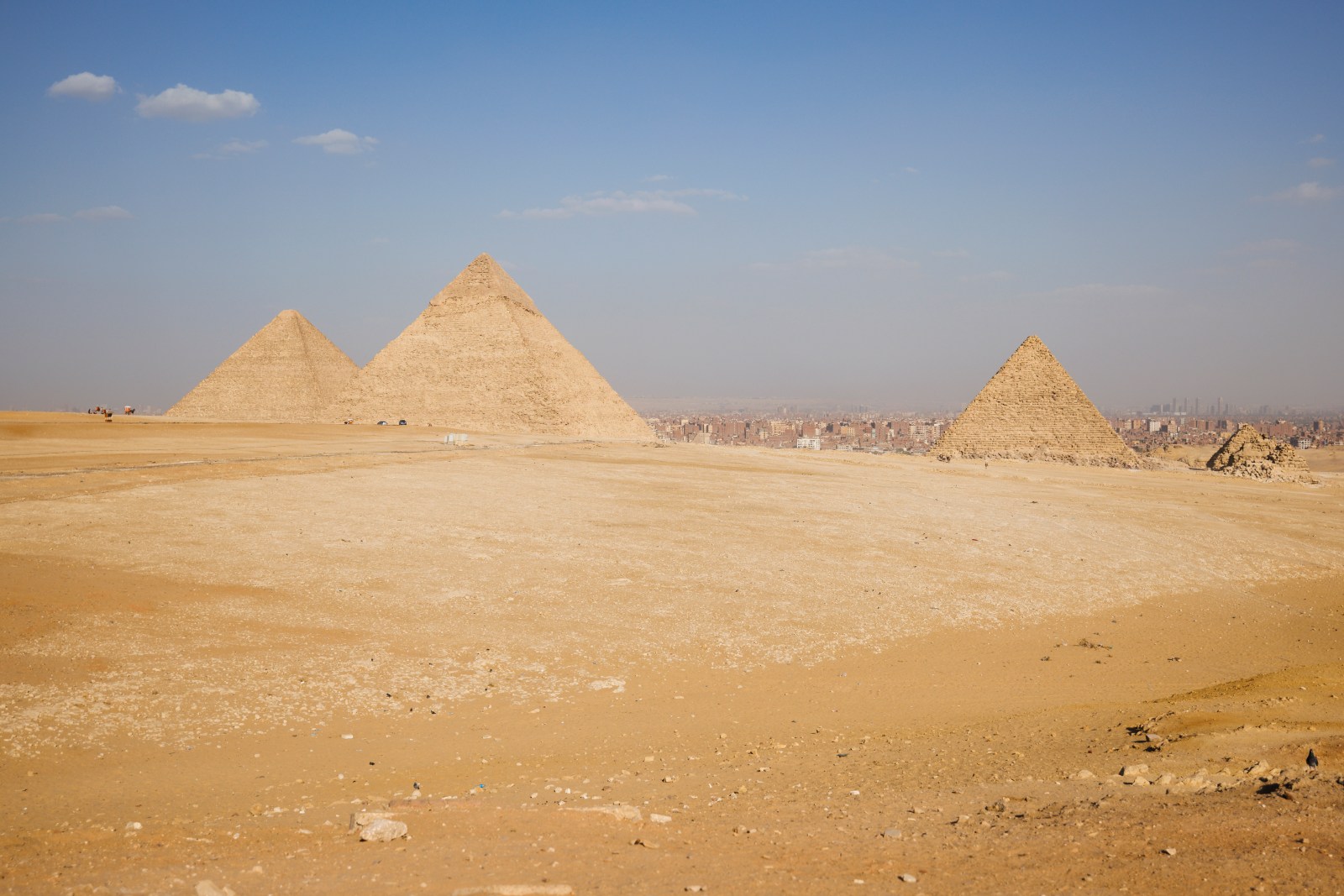
Study Retraction Sparks Debate Over Pyramid Claims
A scientific journal has retracted a study that posited satellite radar could reveal hidden structures inside the Great Pyramid of Giza. The retraction followed findings of serious methodological flaws and statistical errors that weakened the paper’s conclusions.
The Impact of Retraction
The study was originally seen as providing a scientific basis for extraordinary claims regarding the underlying features of one of the world’s most renowned archaeological sites.
The Original Claim and Investigation
In 2022, Italian researchers Filippo Biondi and Corrado Malanga published their paper in the journal Remote Sensing, asserting the capabilities of synthetic aperture radar Doppler tomography. This technique, they claimed, could capture minute changes in radar signals to depict hidden structures within the Pyramid of Khufu, also known as the Great Pyramid of Giza. They suggested this method could map rooms, corridors, and other features without requiring physical entry into the pyramid.
Remote Sensing commenced an investigation after receiving concerns regarding the study’s methodology. Consequently, the article was retracted on August 10.
Biondi and Malanga later claimed scans pointed to extensive shafts, chambers, and tunnels beneath the Pyramid of Khafre, leading to widespread online discussions equating these structures to an “underground city.”
Public Sensation and Statements
Intense public interest emerged in March 2025 when the method was applied to the Pyramid of Khafre, leading to announcements of findings potentially related to ancient Egyptian concepts of the underworld. These claims, however, were met with skepticism due to their lack of peer review and independent verification.
Criticism and Scrutiny
The ambitious nature of the findings drew scrutiny from archaeologists and radar specialists. Zahi Hawass, an Egyptologist, dismissed the assertions about Khafre, stating no permission was granted by the Supreme Council of Antiquities for such work, and there was no scientific substantiation for the alleged structures.
Critics focused on disparities between purportedly precise images of structures and the absence of physical evidence. Lawrence Conyers, a radar expert, argued the minute signals supposedly detected by satellites were insufficient for such complex reconstructions.
Reasons Behind the Study’s Retraction
Remote Sensing announced that serious methodological flaws and statistical errors undermined the study’s scientific conclusions following a reader’s complaint. The investigation confirmed these flaws but did not implicate Biondi or Malanga in data fabrication or misconduct.
The dispute pertains specifically to the 2022 paper regarding the Great Pyramid and does not encompass subsequent claims about Khafre or broader Giza Plateau assessments.
Biondi has continued sharing content related to the larger project, including media snippets and claimed technical plans, while the journal’s findings remain publicly unaddressed.