
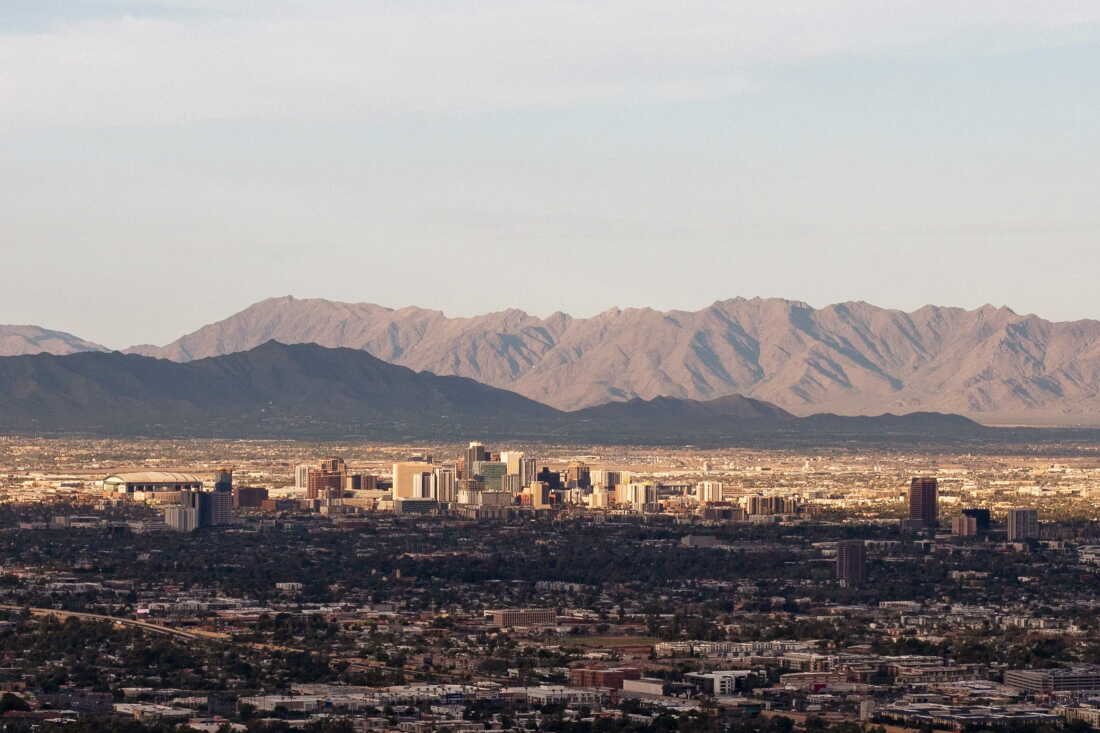
Arizona sits at the epicenter of a heat crisis in the nation, where hundreds succumb to heat-related causes annually. The situation is particularly dire for those residing in manufactured homes. These homes, often mobile or trailer-style, house some of the most vulnerable populations to heat exposure.
A detailed investigation by NPR reveals that heat claims thousands of lives across the United States each year. Alarmingly, official records significantly underreport this figure. The most at risk are those dwelling in manufactured homes, a reality that has only recently gained attention in research and policy-making circles.
Patricia Solis, a geographer at Arizona State University, found herself immersed in this critical issue. Tasked in 2018 with addressing Arizona’s deadly heat challenges, Solis used maps to expose invisible patterns of danger. Her mapping efforts revealed that mobile home residents in places like Maricopa County have a six to eightfold higher risk of dying from heat-related causes compared to those in traditional housing.
That amount of casualties every single year, it just is too many. It becomes a crisis. And that’s really what we were feeling as a community.
Arizona’s relentless heat is exacerbated by climate change, prompting cities such as Phoenix to adopt measures like early morning construction to combat peak temperatures.
Solis’ investigations unveiled that public assistance for cooling costs scarcely reached those areas with the most heat-related deaths, notably mobile home parks. With clusters of fatalities and insufficient support systems, it’s clear this issue demands urgent attention.
Roughly 9,000 Americans die annually from heat, with estimates vastly higher than reported federal statistics. Manufactured housing poses a considerable risk. Factors include outdated construction, poor financing, and the socio-economic conditions of residents.
Residents like Paul Valdez, who experiences frequent power outages in his Tucson mobile home park, face life-threatening situations. The power cuts disable air conditioners, often resulting in dangerous heat exposure.
The geography and design of these homes, especially those pre-1976 structures with poor insulation, trap heat and heighten risks. Many mobile homes are situated in asphalt-heavy areas lacking shade, further compounding the heat dangers.
Exorbitant Electricity Bills
High electric bills also plague residents, deterring them from adequate cooling. Unique billing practices in mobile home parks add to the costs, sometimes leading residents to drastic measures to stay cool.
The ownership model, where residents own homes but not the land, deters property improvements. This structure affects loan eligibility and reduces capability for significant renovations, leaving many with unmanageable heat conditions.
Potential Solutions
Awareness among Arizona officials about the peril mobile home residents face has led to recent interventions. Legal changes now permit residents to make necessary modifications, like installing shade sails and window AC units.
Programs offering insulation, electrical, and cooling system upgrades exist, albeit often over-subscribed. Education initiatives are also being rolled out in vulnerable areas to inform residents about managing heat risks.
Mark Kear, University of Arizona geographer, suggests a shift in perspective: addressing climate change impacts inside homes not just outdoors. Programs must expand to meaningfully protect residents, echoing Tara Gentner’s somber reminder of her mother’s death from indoor heatstroke.
This work received support through a Nova Institute for Health Media Fellowship and the Dennis A. Hunt Fund for Health Journalism.