
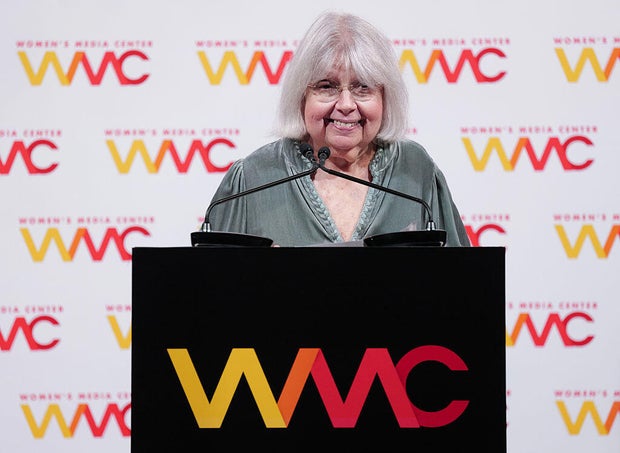
Robin Morgan, known initially as a wholesome child star, transformed into a powerful figure in second-wave feminism. Passing away at 85 in New York, her death follows the recent loss of her friend Gloria Steinem. Morgan’s influence extended over decades, reshaping societal norms.
Early Life and Career
Born in 1941 in Lake Worth, Florida, Morgan’s early years were marked by modeling and hosting her own radio show by age 5. Her stardom continued with roles in popular television series and appearances alongside notable stars. Despite a polished public image, Morgan’s spirit was rebellious, even from childhood.
The Feminist Movement
In the 1960s and ’70s, Morgan was central to the feminist revolution. She organized protests, including the Miss America pageant demonstration in 1968. Her edited collection, “Sisterhood is Powerful,” remains a key text in women’s liberation. Morgan coined “herstory” and helped popularize feminist symbols.
Literary Contributions
Primarily a poet, Morgan’s writings captured her activism. Her poem “Monster” was celebrated at feminist rallies. She contributed more than 20 books, influencing the modern feminist narrative. Her work included anthologies and poetry collections, such as “Dark Matter.” Her memoir, “Saturday’s Child,” reflects her unique journey.
Activism and Personal Life
Morgan founded groups like New York Radical Women and W.I.T.C.H., confronting various societal norms. She was married to Kenneth Pitchford, with whom she shared an unconventional partnership. Her personal experiences influenced her perspectives, resisting mainstream labels throughout her life.
Legacy and Influence
Her activism and literary work crossed boundaries, from hosting radio shows to launching feminist think tanks. Despite Parkinson’s disease, Morgan continued to write and speak publicly. Her impact resonated globally, inspiring future movements and individuals. Her life story is one of resilience and empowerment.