
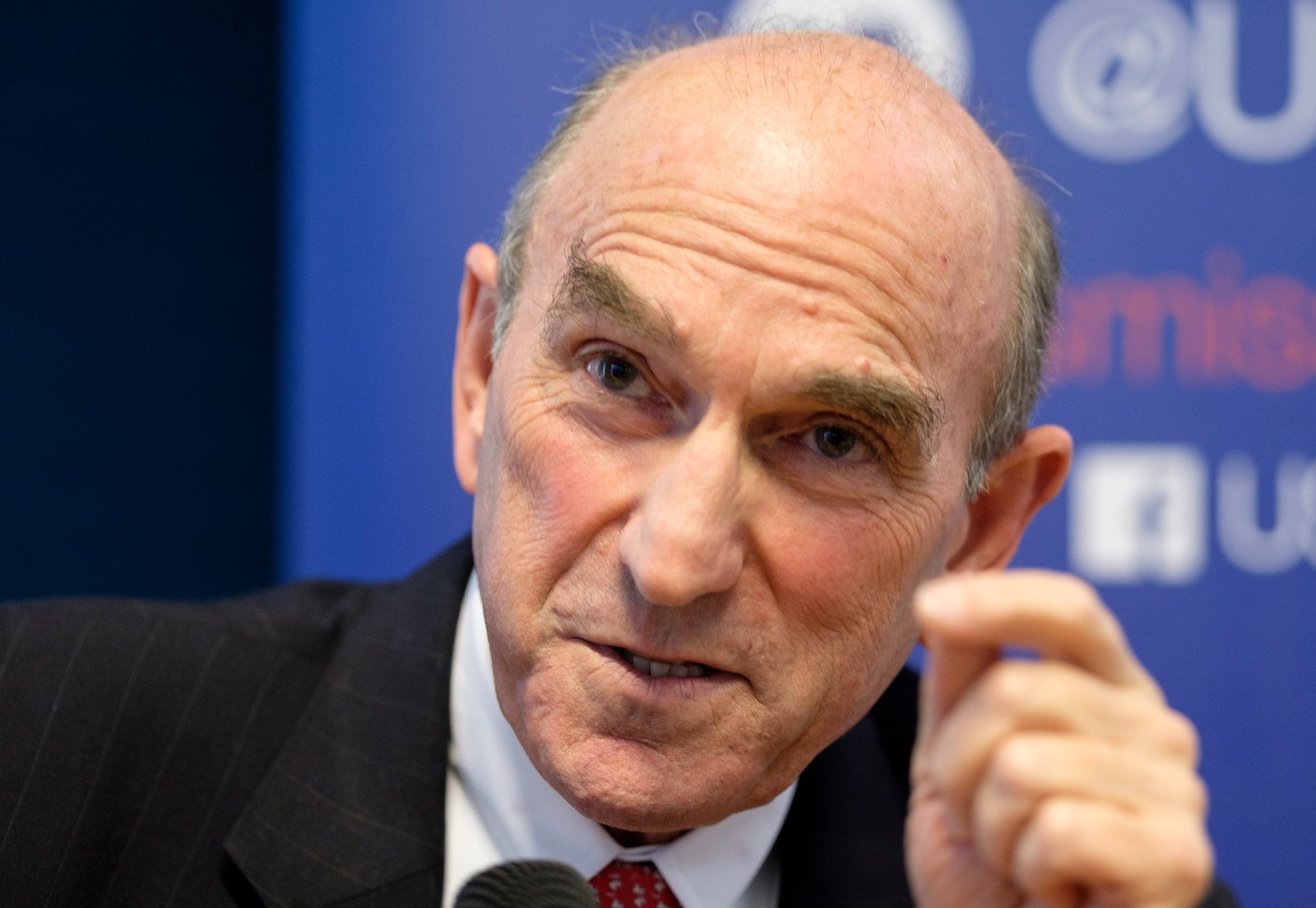
Elliott Abrams, previously instrumental in the Trump administration’s initial Venezuela policy, now criticizes the current approach. Under the earlier strategy, Washington supported Juan Guaidó and sought Nicolás Maduro’s ousting. However, nine months after Maduro’s departure, Abrams has labeled the new U.S.-Venezuela oil agreement as a ‘shameful sellout.’
In a recent Washington Post op-ed, Abrams argues the deal benefits the U.S. while consolidating the interim President Delcy Rodríguez’s power. The arrangement allows North American Blue Energy Partners (NABEP), managed by Venezuelan businessman Alejandro Betancourt, 100-year rights over 17 oil fields holding 65 billion barrels, about one-fifth of Venezuela’s proven reserves. In return, the U.S. can acquire 20% of NABEP’s production at cost, alongside a 35% equity stake in NABEP’s parent company for the Department of War.
Venezuelan political figures widely oppose the deal, raising concerns about Betancourt, who gained prominence during Hugo Chávez and Maduro’s reign. Betancourt faces legal issues in Switzerland and Spain over alleged money laundering linked to Venezuela’s state oil firm. NABEP, registered in Barbados, will control most awarded oil fields, despite no operational history in other markets. The State Department cites Betancourt’s experience in the field while defending the deal.
Abrams, formerly Trump’s special representative for Venezuela, commented on current political strategies in an interview with Newsweek. He reflected on the administration’s shift from a democracy-focused policy to the present approach, which he questions for not prioritizing democratic elections in Venezuela. Abrams suggests the U.S. isn’t pushing for election dates, delaying democratic progress.
He criticizes current U.S. support for Delcy Rodríguez, noting her low popularity among Venezuelans and describing the oil deal as heightening U.S. incentives to keep her in power. Abrams emphasizes the risk of the Venezuelan government manipulating U.S. ambitions for stability and oil access, suggesting a lack of genuine interest in democracy from the current administration. He outlines the challenges and strategic shifts since working under the previous administration, where supporting Guaidó was a priority.
Senator Marco Rubio’s evolving stance towards the Venezuelan government has also drawn Abrams’s scrutiny. Previously a staunch critic, Rubio’s recent diplomacy raises concerns about U.S. alliances with controversial figures. Abrams questions U.S. partnerships with Rodríguez and Betancourt, arguing these choices undermine democracy.
Alejandro Betancourt’s involvement highlights concerns over corruption, given his past financial dealings with the Chavista-Maduro regime. Abrams highlights Betancourt’s association with corrupt practices and investigations in Europe as problematic for U.S. partnerships.
This arrangement, unconstitutional in Venezuela, may not endure. A lack of investment and changing political landscapes in the U.S. threaten the deal’s longevity, according to Abrams. Without setting election dates, Venezuelans may doubt U.S. commitment to democracy.
The deal’s potential impacts on U.S. credibility in Latin America are significant. Abrams believes it undermines American commitment to democratic values, likening the strategy to prioritizing oil acquisition over freedom and democracy. U.S. soft power has roots in championing these principles, a dynamic Abrams feels is currently compromised.
Abrams also comments on Maria Corina Machado’s position, noting her endurance as a popular figure amid the changing political landscape. While she distances herself from current U.S. actions, opposition parties collectively reject the deal. Abrams predicts that future political shifts, particularly elections, could nullify the arrangement due to widespread opposition.
He highlights misconceptions about Venezuelan leaders, emphasizing their role in eroding democracy and creating a crisis that drove millions into exile. Transitioning to democracy involves negotiations, suggesting that while military involvement concerns remain, pathways for reconciliation and future roles exist.
Abrams advises renewed U.S. pressure on Venezuela’s leaders to agree on election dates. He stresses the importance of releasing political prisoners and allowing exiles to return as crucial steps to restore political integrity and trust in Venezuela.