
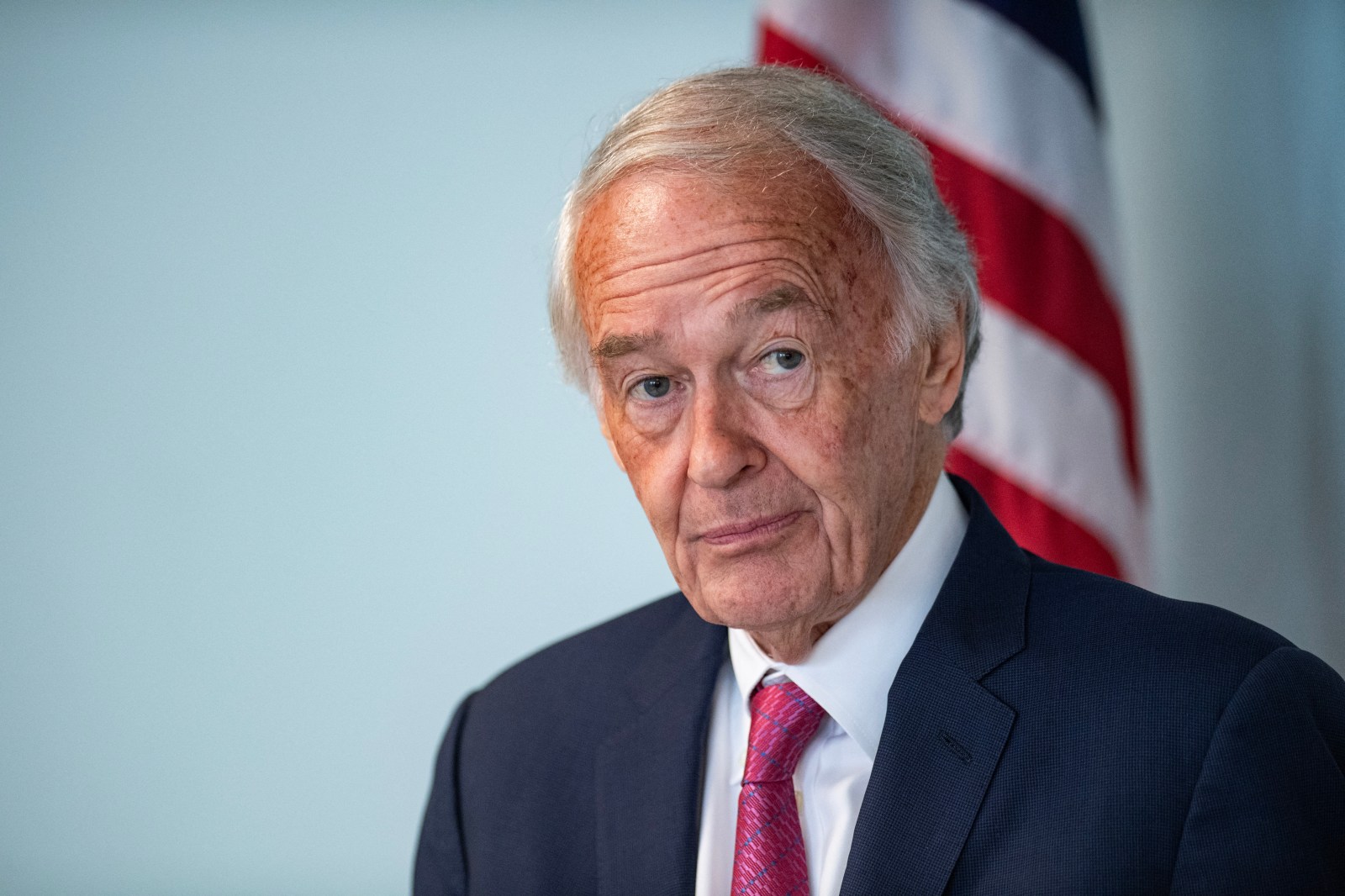
Senator Ed Markey successfully overcame a primary challenge from Representative Seth Moulton in the Massachusetts Democratic primary for the Senate seat. This victory counters a prevailing trend where Democratic voters increasingly replace longstanding incumbents with younger candidates. Several progressive voices had called for a shift in leadership, advocating for bridging the generational gap within the Democratic Party. Nonetheless, Markey, 80, received substantial support from the progressive wing to secure his re-election, echoing a similar scenario from six years prior. Progressive Democrats supported Markey despite Moulton’s argument for the need for new representation for Massachusetts in the Senate.
Prioritizing Policy Over Age
Although younger leaders like Representative Alexandria Ocasio-Cortez, 36, and New York City Mayor Zohran Mamdani, 34, have received positive attention among progressives, senior politicians such as Markey and Senator Bernie Sanders remain popular. For many progressives, the importance of policy outweighs age considerations. Adam Carlson from Zenith Research explained that while voters desire new leaders, their primary concern lies with ideological alignment rather than a candidate’s age. Progressive affiliation with figures like Sanders and Markey is primarily due to shared policy goals rather than age factors. As emphasized by Todd Belt, director at The George Washington University’s Political Management Program, progressives value candidates who champion critical issues rather than those who merely aim to maintain power.
Generational Leadership Concerns
While younger figures such as Ocasio-Cortez represent the future, influential leaders like Sanders, 84, and Elizabeth Warren, 77, continue to shape the progressive movement. Both Sanders and Warren chose re-election in 2024 to safeguard their progressive legacy rather than risk more moderate replacements. They have also shown interest in possible races in 2030. Concerns regarding age span beyond progressives into the broader political spectrum. President Donald Trump became the oldest elected president in 2024, while centrist Democrats supported Joe Biden amid age-related concerns in 2020 and 2024. The 2024 election prompted introspection within the Democratic Party regarding the impact of such concerns on electoral outcomes.
Markey’s Defiance of Generational Change
Although Moulton emphasized Markey’s age during the campaign, it did not override voter preferences. Many voters expressed satisfaction with Markey’s performance, as a University of Massachusetts Amherst poll indicated 82 percent approval among Democrats, despite frequent mentions of “old” as a descriptor. Moulton’s portrayal of Markey as outdated did not resonate with voters. Some progressives favored Representative Ayanna Pressley as a successor, but Moulton did not align well with voter expectations in the heavily Democratic state. Markey’s firm support for initiatives like Medicare for All and the Green New Deal cemented his progressive credentials, contrasting with Moulton’s more centrist views.
Looking to the Future
Progressives continue to nurture a new generation of leaders as figures like Sanders and Markey hold office. Sanders identified several potential successors in the progressive movement, such as Ocasio-Cortez, Rashida Tlaib, Greg Casar, and Pramila Jayapal. While Ocasio-Cortez emerges as a potential presidential contender for 2028, her formal candidacy remains unannounced. Polls suggest her viability in future primaries, yet questions about electability persist in broader elections.
Aging leadership remains an ongoing concern for progressives. States like Vermont and Massachusetts are unlikely to shift towards Republican leadership, yet moderates could triumph in primaries primarily due to voter split or backlash against progressives. The Democratic Party’s future trajectory remains uncertain, hinging on ideological battles, with progressive success favoring incumbents appointing their successors.