
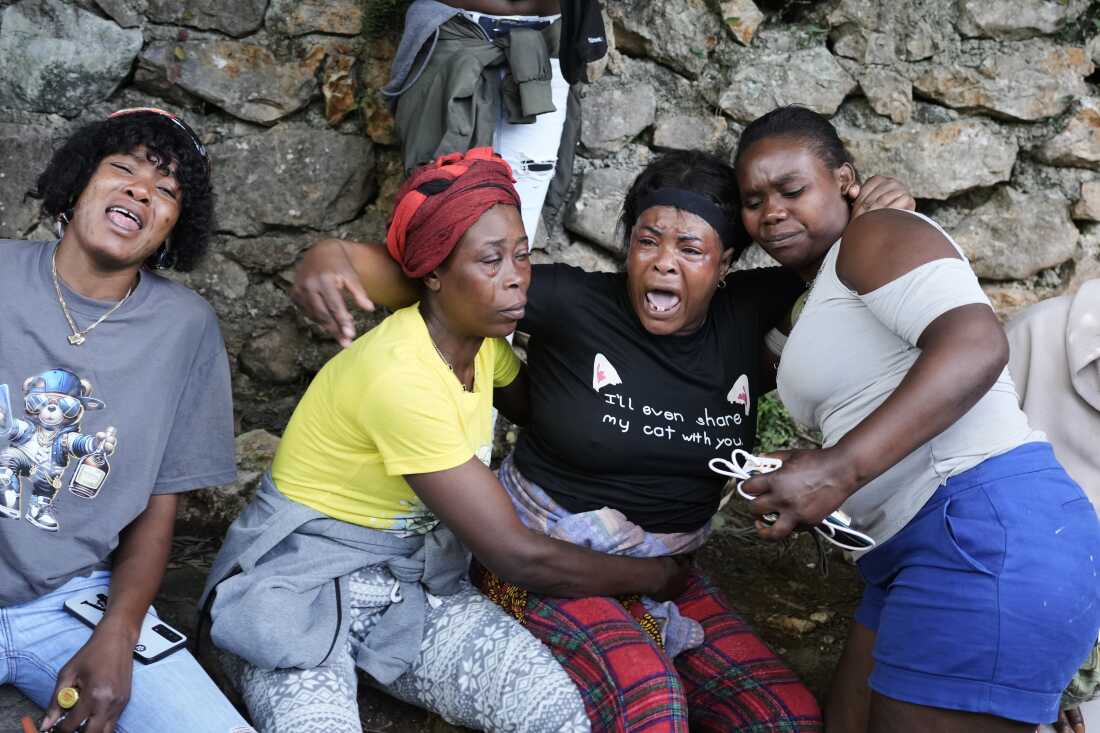
Mass Attack in Kenscoff, Haiti
Port-au-Prince, Haiti: The attack in Kenscoff left at least 47 people dead and over 50 kidnapped as armed men assaulted the once-tranquil community. This incident, one of Haiti’s largest recent mass kidnappings, sees gangs threatening to kill hostages if efforts are made to eliminate gang members.
Security Challenges for Haiti
Haiti is facing a critical moment in terms of security and governance. Romain Le Cour, from the Haiti Observatory at the Global Initiative Against Transnational Organized Crime, states that this situation poses a significant test for the government, the police, and international assistance missions.
The trap lies in the threat from gangs: if authorities act, they might fail; if hostages die, blame falls on the state.
Marc Paul, a Kenscoff resident, shared his horror. He described running over bodies, emphasizing the ongoing trauma from such violence. Paul and his family have suffered from similar attacks before, losing their home in a previous incident.
Gang Threats and Authorities’ Response
The gangs have posted threats on social media, warning Vladimir Paraison, director of Haiti’s National Police. The gang leader, identifying as Izo 2, warned of executing hostages if gang members are harmed.
Survivor Kenson Paul mentioned the absence of communication from the gangs regarding their demands. The objective might be to force the Haitian police and UN-backed suppression forces to spread their already limited resources further.
Implications for Elections and Security
The attack might be an attempt by gangs to demonstrate their power as Haiti prepares for general elections in December. The escalation illustrates that the reality on the ground challenges claims by the government and police that they provide protection.
Historical Context of Violence in Kenscoff
The assaults on Kenscoff have been increasing. While earlier attacks were significant, the recent incident is the most severe. Among those killed were five children, and a substantial number of victims were targeted in a church compound.
UN Secretary-General António Guterres condemned the attack, highlighting the dire security conditions in Haiti.
Community Impact and Gang Strategies
Gangs are keen on controlling Kenscoff as it offers strategic routes between Haiti’s capital and its southern regions. Researcher María Fernanda Arocha emphasized that, despite prior reductions in violence, rural community vulnerabilities remain due to inadequate police response.
Survivors have criticized the insufficient protection from authorities. If security forces were indeed stationed near Kenscoff, allowing attacks to occur would be deeply concerning.
Authorities’ and Community’s Ongoing Challenges
The Haitian National Police, led by Paraison, is scrutinizing the attack’s details to determine any negligence or complicity. The need to protect the civilian population is paramount, especially when gangs control significant portions of Port-au-Prince and other regions.
Gang violence has displaced numerous Haitians, with dire statistics on killings and kidnappings reported by the UN. These figures might represent only a fraction of the true scale of violence, as many incidents go unreported to avoid potential reprisals.