
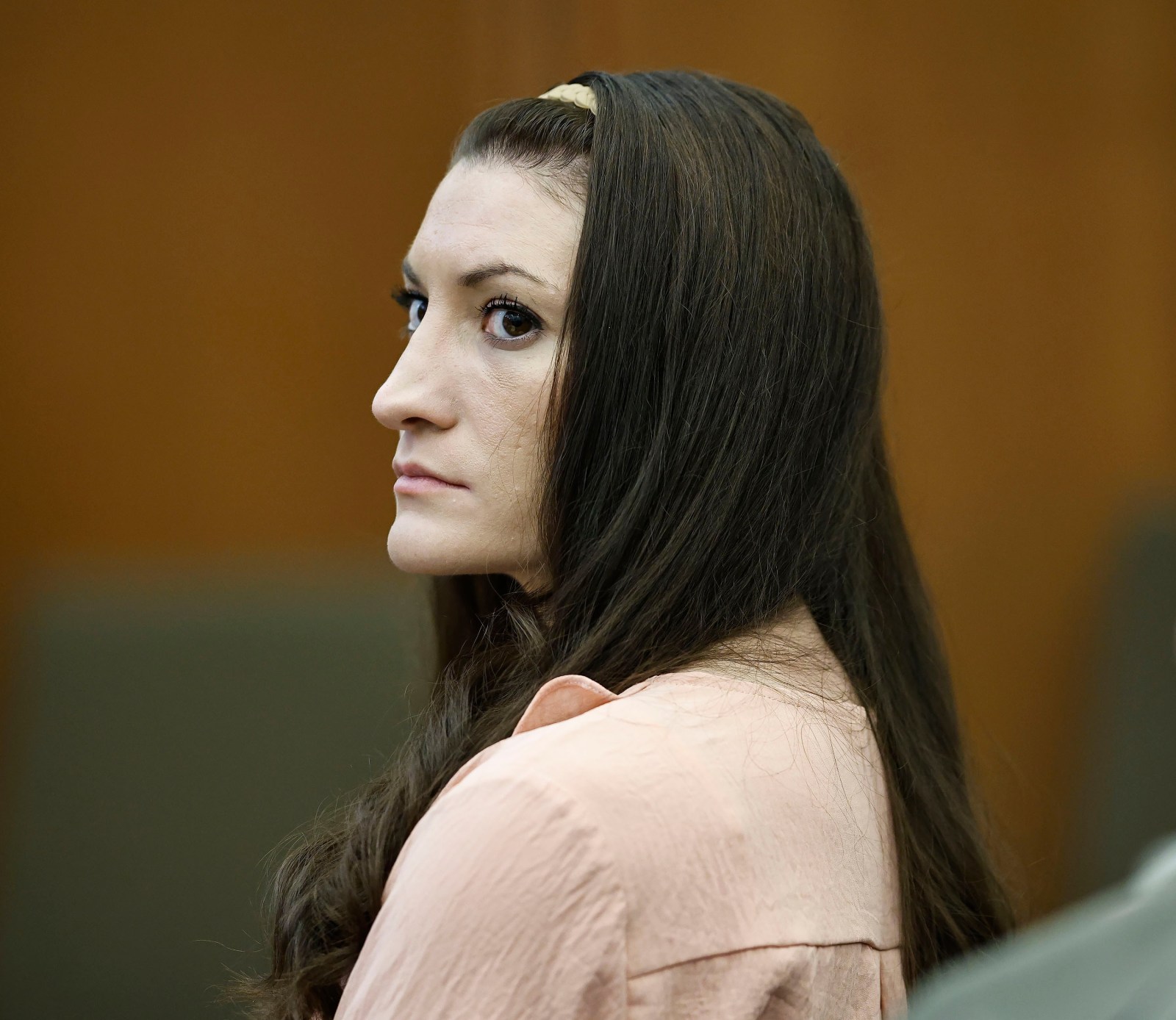
Trial Overview
The Lindsay Clancy murder trial is entering the final phase, with the prosecution’s last rebuttal focusing on inconsistencies in Clancy’s account of hearing a male voice commanding her to kill her children. Dr. Gregory Saathoff, a forensic psychiatrist, challenged Clancy’s description of audio hallucinations, calling them “markedly inconsistent” and “unusual.” His testimony followed the defense’s request for a mistrial, which accused prosecutors of misconduct related to references to Clancy’s Catholic faith and concepts of suicide as a “mortal sin.” The judge denied the mistrial and instructed the jury to disregard religious references.
Focus on Psychiatric Explanations
The trial centers on differing psychiatric explanations of the events on January 24, 2023. The defense admits Clancy killed her three children but argues that postpartum psychosis left her not criminally responsible. Prosecutors acknowledge her mental illness yet claim she understood her actions’ wrongfulness. The psychiatric evaluations have been crucial, with Saathoff returning to the stand, aiming to debunk the defense’s psychosis arguments.
Mistrial Motion Details
The defense’s bid for a mistrial arose after prosecution psychologist Dr. Kirk Heilbrun’s testimony, involving Clancy’s Catholic upbringing and suicide as a mortal sin. Defense attorney Kevin Reddington argued these references could unjustly influence the jury. Previous testimonies involving religious context were dismissed by the judge when posed to Clancy’s former mother-in-law.
The rejection of the mistrial highlights the contentious nature of the trial. Prosecution witnesses continued to question the defense’s claims that Clancy was commanded by a voice due to psychosis.
Prosecution Findings
The prosecution’s rebuttal includes extensive testimony from Dr. Kirk Heilbrun. He cast doubt on Clancy’s psychosis claim, suggesting her actions stemmed from suicidal thoughts and “altruistic filicide,” meaning killing out of a belief her children would suffer without her. His testimony contradicted the defense, suggesting intrusive thoughts rather than hallucinations influenced her behavior.
Another expert, Dr. Avram Mack, attested that Clancy suffered from depression yet maintained control over her actions, demonstrated through seemingly normal events, such as phone calls, the day of the killings.
Defense Expert Testimony
Dr. Phillip Resnick’s defense testimony argued Clancy was “frankly psychotic” and influenced by command hallucinations. He described her perception of killing as a protective act for her children, misaligned with reality due to psychotic episode. Resnick dismissed notions of Clancy fabricating psychiatric symptoms.
Critical Testimony and Emotional Moments
Hospital chaplain Rebecca Cavanaugh shared Clancy’s post-extubation comment about being glad her children were safe, an assertion accentuating the defense’s portrayal of Clancy’s distorted reality.
Clancy’s breakdown during testimony about her children’s autopsies underscored emotional trials, leading the judge to momentarily excuse the jury due to the intensity.
Clancy’s Psychiatric Struggles
Clancy’s declining mental health post-Callan’s birth involved seeking psychiatric assistance. A nurse practitioner noted Clancy’s expression of intrusive thoughts and deep hopelessness. Her diary also revealed her mental struggles, amplified by her child’s sleep schedule, medication concerns, and yearning to reconnect with her children.
Clancy’s legal team has argued her medication regimen overwhelmed her, exacerbating her mental crisis preceding the killings.
Digital Evidence Examination
Computer searches, including suicide methods, psychosis, and mental illness, provide pivotal evidence. Prosecutors highlighted a search for sociopathy treatment, while defense noted searches for understanding psychosis, painting Clancy as seeking help amid her mental decline.
Family and 911 Call Impact
Patrick Clancy’s testimony depicted his wife’s mental deterioration, her suicidal conversations, yet his disbelief that she would harm their children. These statements contribute to the portrayal of escalating psychiatric distress.
The 911 call, capturing Patrick’s anguish upon discovering his children, proved devastating—impacting the courtroom’s emotional atmosphere.
Controversies Outside the Courtroom
A Vanity Fair journalist faced professional repercussions for unprofessional courtroom conduct. Brittany Romano was removed from credentials after a viral video of her smiling at the camera during testimony about Clancy’s trial sparked criticism.
The incident highlighted ethical boundaries between personal ties with defendants and journalistic integrity during emotional trial coverage.
Final Trial Developments
As rebuttal testimony concludes, both legal teams will summarize their narratives. The defense aims to solidify Clancy’s experience of postpartum psychosis as the crux of her criminal responsibility argument. Prosecutors argue she retained awareness and control.
Closing arguments will precede jury deliberation, with outcomes potentially ranging from life imprisonment upon conviction to committed psychiatric care upon acquittal due to mental incapacity.