
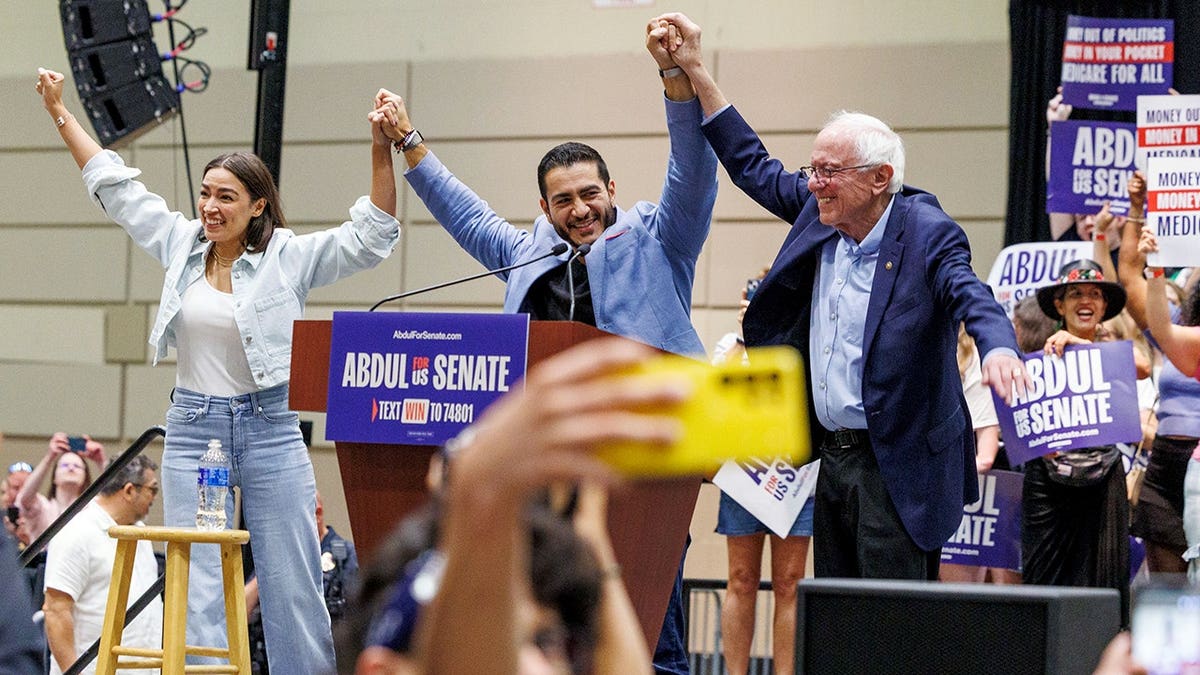
This summer, some Democratic candidates have faced scrutiny over past social media statements. In Michigan, Abdul el-Sayed, a Democratic Senate candidate, was criticized for erasing previous remarks denouncing fireworks and linking football to slavery. This controversy emerged as he campaigned in a state that supported President Donald Trump twice in the last decade. El-Sayed altered his approach by expressing appreciation for ‘Michigan football on Saturdays.’
Such challenges in campaigns highlight the importance of consistent messaging and character assessment. Voters may view inconsistencies as revealing a candidate’s true character. In Wisconsin, Francesca Hong, a Democratic Socialist candidate, faced similar scrutiny when her past commentaries were rediscovered just before her gubernatorial primary. Despite this, she narrowly missed grabbing the nomination in one of America’s politically diverse states.
This situation underscores the broader trend of candidates contending with past statements in the digital era. Prominent figures like Rep. Alexandria Ocasio-Cortez have acknowledged the sometimes exaggerated nature of early ‘woke’ culture. First-time candidates across all political lines must consider auditing their online presence before entering the political arena.
Additionally, the consistency of certain ideological themes is noted among these candidates, reflecting a core principle of American socialism. This ideology often questions long-standing traditions such as football and Thanksgiving. Advocates of this approach promote policies like free health care and education, sometimes avoiding specifics on implementation costs by suggesting wealthier individuals will cover expenses.
Republican leaders highlight such shifts as an enduring challenge in opposition campaigns. While some social media posts may be taken down, the underlying philosophies of candidates remain accessible, offering insight into their perspectives before voters.