
A new bill introduced in the House targets two significant challenges faced by young Americans when buying a home: student loan debt and housing affordability. Representative Jeff Crank, a Republican from Colorado, has put forth the First Time Homebuyer Debt Reduction Act on August 13. The bill now waits for action in the House Financial Services Committee.
If the proposal becomes law, Fannie Mae and Freddie Mac, government-backed lenders, would classify certain payments toward federal student loans as financial concessions in the purchase of a newly constructed primary residence. Newsweek has reached out to Crank’s office for a comment via email.
Bill Provisions
Should the bill be enacted, builders, sellers, or other involved parties in a home transaction have the option to contribute up to $25,000 toward a buyer’s federal student loan debt. This contribution would be considered a financial concession. Contributions exceeding $25,000 would still be deemed as sales concessions.
These student loan payments would function like other buyer incentives that assist in completing a home purchase. For example, a builder could offer to pay off part of a buyer’s federal student loan debt to attract potential buyers. Reducing this debt might enhance a buyer’s debt-to-income ratio, a crucial element in mortgage approval. It could also decrease monthly debt obligations, which might permit borrowers to qualify for larger mortgages.
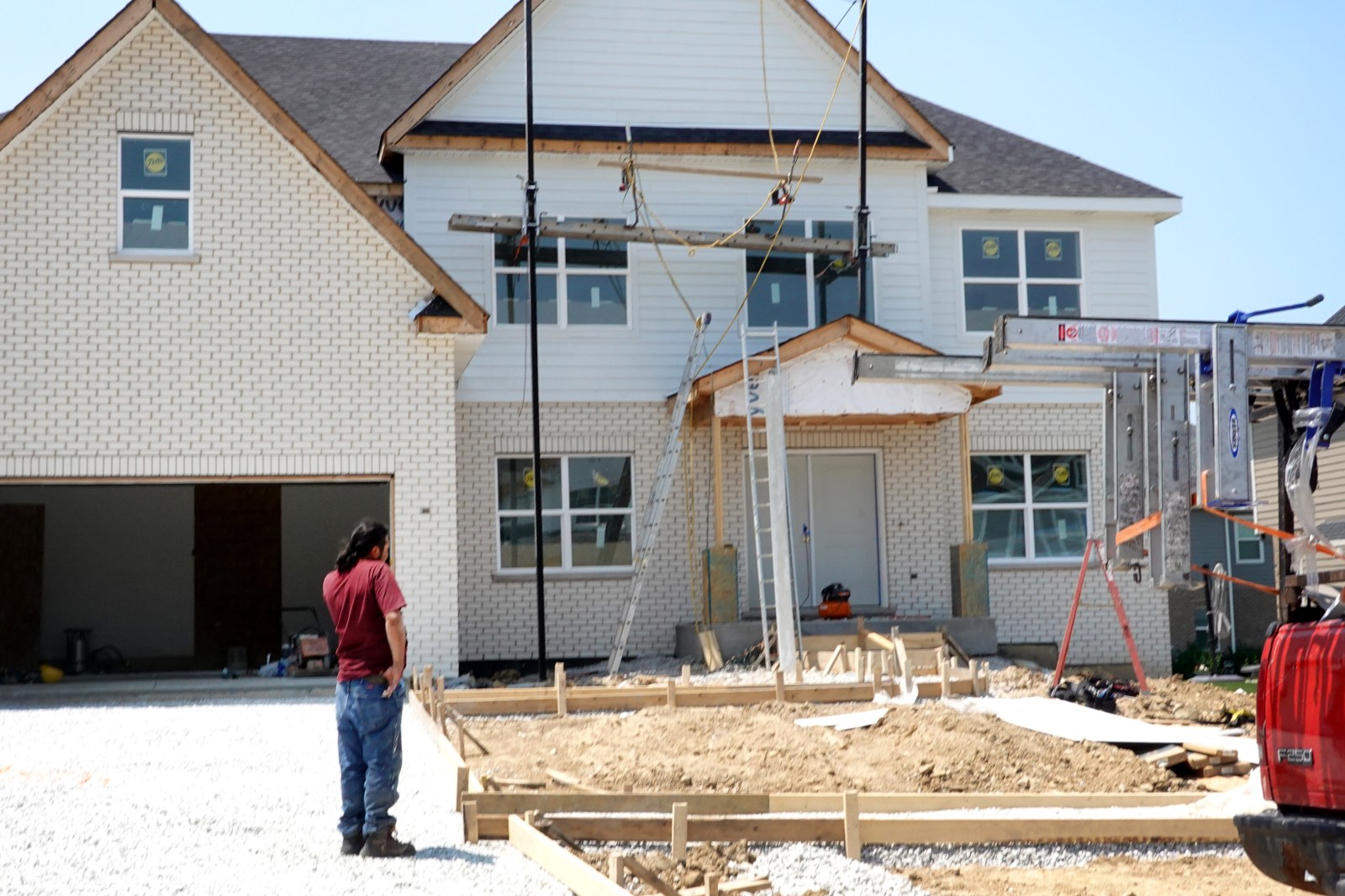
The legislation is aimed solely at purchases of newly constructed primary homes. It seeks to support younger Americans who encounter difficulties buying a home while dealing with student loan debt. Student loans can be a considerable hurdle for homebuyers, while high house prices and mortgage rates continue to push home ownership out of reach.
Expert Opinions
Experts caution that this bill might not offer as much financial support as it might initially seem. Fenaba R. Addo, a professor at the University of North Carolina-Chapel Hill, pointed out to Newsweek that the bill mostly clarifies existing concession rules, rather than providing a direct financial gain.
This bill is more clarifying than beneficial for student debt borrowers, given student debt can now be an explicit option that counts towards a seller’s concessions. Any amount directed to student debt comes out of what would have gone towards closing costs,Addo remarked.
While it might seem like a gain for first-time homebuyers, in reality, it does not create new financial resources. Instead, it provides clear guidance on how seller concessions can be applied.
Addo mentioned that specific borrower groups might benefit more than others, particularly those on the financial margin or with high-interest student debt. It may not universally aid all first-time homebuyers with student loans. It might especially assist borrowers on the margin, who typically are denied a mortgage due to debt-to-income ratios,
she elaborated. Builders would also have the incentive to use this policy without altering list prices.
Legislative Steps Ahead
The path to becoming law is lengthy for the bill. It needs endorsement by the House Financial Services Committee and approval by both Congress chambers and the president before it can be enacted. GovTrack, a nonpartisan website monitoring Congress, estimates a mere two percent chance of this legislation passing through.