
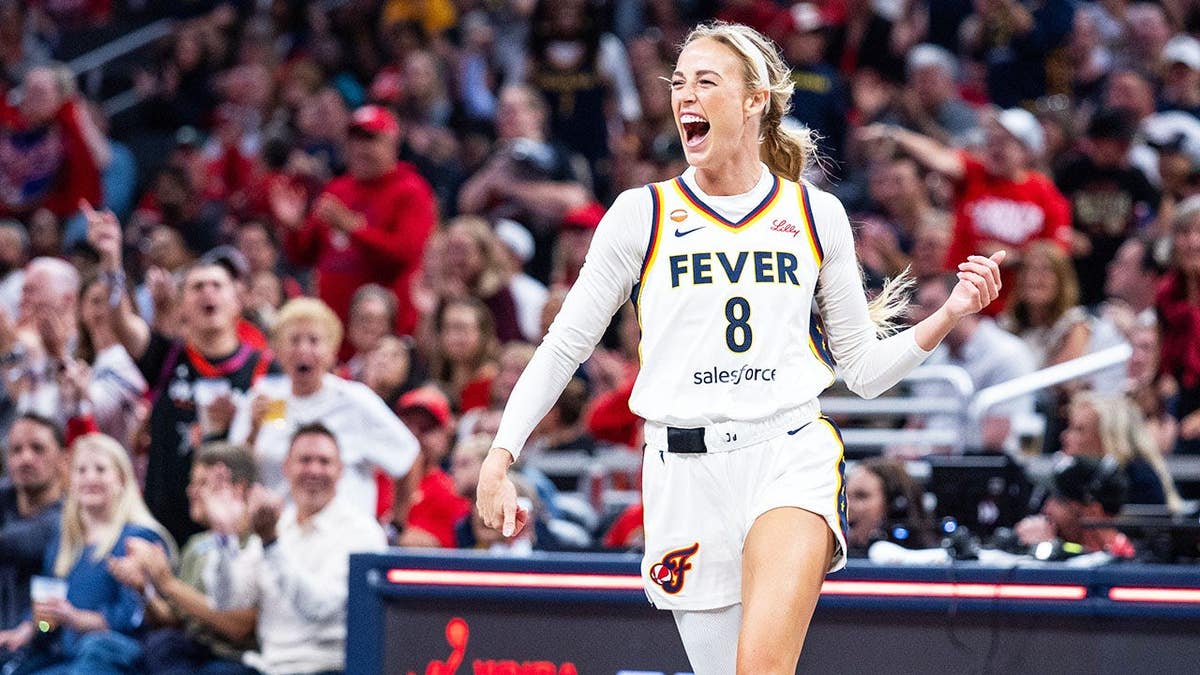
Controversies in WNBA: Defining Womanhood and Fandom Divide
The WNBA faces a significant debate over defining what a ‘woman’ is, following recent events that have cast the league into controversy. Indiana Fever star Sophie Cunningham has publicly supported keeping male athletes out of women’s sports. Her stance reflects the opinion of a major portion of the American public but conflicts with perspectives held within the league.
Another element adding to this complexity is former NBA players Enes Kanter Freedom and Royce White declaring for the 2027 WNBA Draft. While Cunningham’s views align with popular sentiment, they have sparked severe backlash within the WNBA.
Conflict and Struggle Within the League
Cunningham has faced considerable criticism, including booing, protests, and targeted opposition from colleagues. An incident with Chicago Sky’s DiJonai Carrington, who injured Cunningham during a game, exemplified this tension. Her name has even been banned from the WNBA subreddit, highlighting the deep divides within the fandom.
“We filter content based on Sophie because it tends to bring out trolls and people who aren’t fans of the W,” a subreddit moderator explained.
This action underscores the stark disconnect between league officials and fans who support players like Cunningham. It raises questions about the organization’s priorities in engaging with fan communities.
A Divided Fandom
The WNBA’s struggle with embracing its players’ popularity reflects wider challenges. New fans, drawn by athletes such as Caitlin Clark and Sophie Cunningham, have helped improve the league’s visibility and financial standing. However, actions against these players may deter burgeoning interest in the sport.
Critics argue the league appears more interested in activism than basketball, potentially alienating dedicated fans and diminishing future growth. The situation reflects broader tensions as the WNBA navigates the complexities of maintaining its foundational values while adapting to evolving public expectations.