
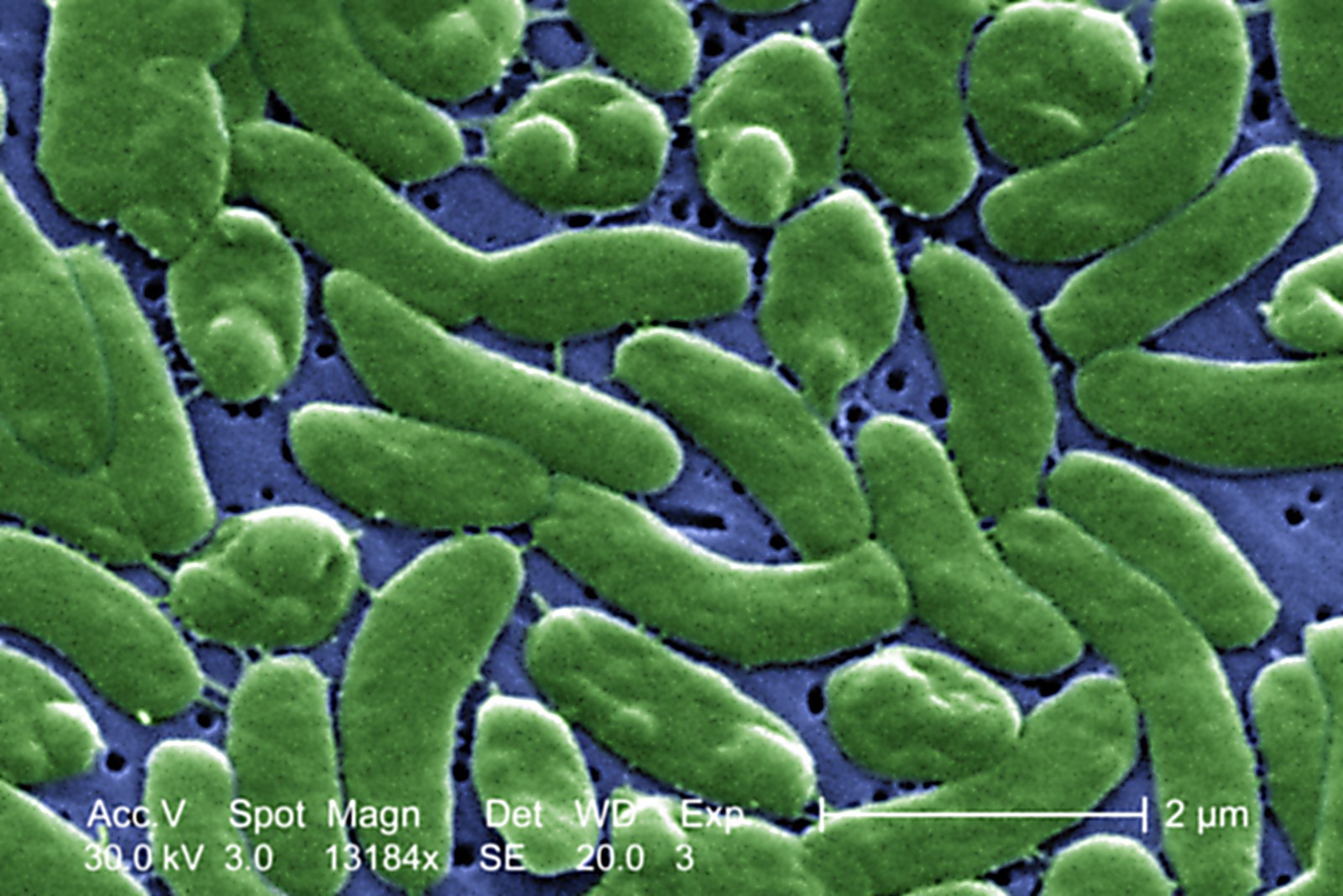
A strong El Niño could potentially create favorable conditions for Vibrio vulnificus, a dangerous bacterium linked to severe infections. However, experts urge caution, stating that El Niño alone should not be directly blamed for the rise in case numbers. This follows reports of at least six deaths in Louisiana and Florida this year due to infections from the so-called ‘flesh-eating’ bacteria, with cases and health alerts emerging in several states.
Understanding El Niño
El Niño is a recurring climate pattern that results in unusually warm sea surface temperatures in the central and eastern equatorial Pacific Ocean. It influences weather patterns globally, affecting rainfall, winds, storm activity, and temperatures. These effects can vary significantly by region and from one event to another. Meteorologists use the term ‘super El Niño’ to describe exceptionally strong El Niño events.
The latest update from NOAA’s Climate Prediction Center, as of July 9, indicates an active El Niño Advisory. The event is strengthening, with an 81% chance of a ‘very strong’ El Niño between October and December 2026. This event ranks among the largest since records began in 1950. Additionally, there is a 97% probability that El Niño will persist through early spring 2027.
Impact on Vibrio Vulnificus Cases
Craig Baker-Austin, a research microbiologist from the UK’s Centre for Environment, Fisheries and Aquaculture Science, suggests that El Niño might increase Vibrio vulnificus risk by altering coastal conditions conducive to bacterial growth. V. vulnificus thrives in warm, brackish waters, especially when sea surface temperatures rise and salinity is within a suitable range. Studies from the Gulf of Mexico and Chesapeake Bay show strong links between warmer waters and increased bacterium abundance and human infections.
“El Niño has the potential to increase Vibrio vulnificus risk indirectly by modifying coastal environmental conditions that favor the bacterium,” Baker-Austin said.
During El Niño years, sea surface temperatures in parts of the U.S. coastal zone can be above average. Changes in rainfall, river discharge, and storm activity may also alter coastal salinity, creating more suitable habitats for V. vulnificus. This can extend the seasonal risk window and increase bacterial concentrations in estuaries and coastal areas.
Baker-Austin also notes that human behavior, such as swimming in warmer waters, heightens exposure risk. He mentions that global sea surface temperatures are at some of their highest recorded levels.
The Gulf Coast, especially states like Florida, Louisiana, Texas, Mississippi, and Alabama, is most vulnerable due to favorable conditions for V. vulnificus growth. These areas report the majority of U.S. cases. However, the warming Atlantic seaboard is also becoming important, with increasing infections in Mid-Atlantic and Northeastern states like North Carolina, New York, and Connecticut. This climate-driven expansion is expected to continue.
Expert Perspectives
David Fisman from the University of Toronto highlights that warmer waters directly boost bacteria abundance. Thus, people wading or swimming in such waters, or consuming contaminated seafood, might encounter higher bacterial loads. The largest risk increase may occur in regions with historically cooler waters, like the Pacific Northwest, British Columbia, and Alaska. In contrast, classic locales like Louisiana and Florida might see less dramatic fluctuation due to pre-existing conditions.
Jaime Martinez-Urtaza from the Autonomous University of Barcelona cautions against directly linking El Niño to increased V. vulnificus cases. He notes El Niño’s weak effect on Gulf and Atlantic coastal waters. Elevated risk is plausible along the Pacific Coast, but certainty about its magnitude remains elusive. El Niño’s influence on hurricane activity could further complicate the situation by potentially reducing storm-associated outbreaks.
What Is Vibrio Vulnificus?
Vibrio bacteria occur naturally in coastal waters and are most abundant from May to October when temperatures are higher. People contract vibriosis by consuming raw or undercooked shellfish like oysters, or through open wounds exposed to salt or brackish water.
The CDC states that V. vulnificus can cause severe, life-threatening infections. Some cases may require intensive care or limb amputation, with about one in five patients dying shortly after infection. People with liver disease, cancer, diabetes, HIV, thalassemia, weakened immune systems, reduced stomach acid, or recent stomach surgery face higher risks.