
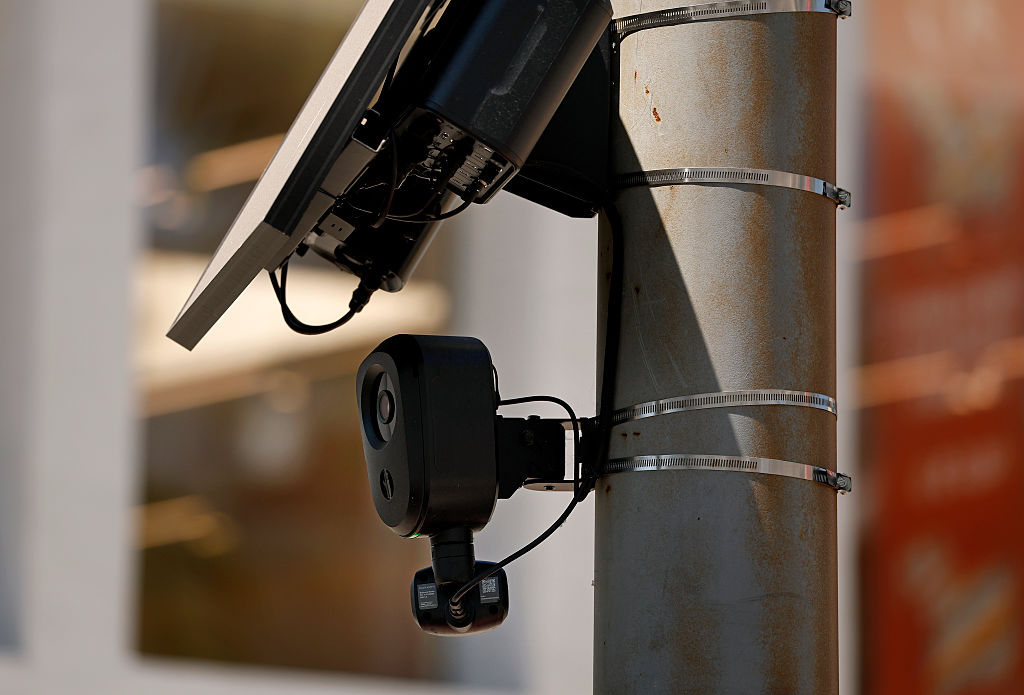
Flock Safety, a company specializing in surveillance equipment, collaborates with over 5,000 law enforcement agencies across 6,000 communities. They provide solar-powered cameras designed to read license plates and gather data. This information enables agencies to search databases based on license plate numbers, vehicle makes, models, and specific characteristics like bumper stickers.
Supporters of Flock’s technology argue that these cameras assist in crime-solving efforts. However, critics express concern that the data may be misused, potentially tracking individuals not suspected of crimes, raising issues about oversight. As Knox County Mayor Glenn Jacobs stated, these cameras collect data consistently, creating a ‘vehicle fingerprint’ based on notable features captured from passing cars. The data can be retained for over 30 days and then searched, fundamentally altering the traditional use of license plate readers.
Flock Safety began with Garrett Langley’s initiative, driven by dissatisfaction with crime rates in Atlanta. Langley expressed in a TED talk that it seemed overly easy to evade punishment for serious offenses. This frustration led to creating a camera system designed to identify vehicles through license plate reading.
Locating Flock Cameras
Flock Safety reports having nearly 100,000 cameras in more than 6,000 communities across 49 states. Yet, specific camera locations are not publicly disclosed. DeFlock, an organization aiming to raise awareness about potential privacy issues linked to automatic license plate readers, maintains a public map. This crowd-sourced map features data from volunteers and the OpenStreetMap community, not from private companies or government, and includes cameras from other technology providers as well. While Nexstar has not verified these locations independently, the map allows users to explore reported camera placements in their areas.
Public Response and Regulation
The use of such cameras has been growing, leading to increased backlash recently. Many city councils have taken steps to either remove or deny the use of Flock cameras. Some jurisdictions are also instituting stricter regulations; for instance, San Jose, California restricts data retention to 30 days, as reported by San Jose Spotlight, and places limitations on camera locations to avoid placement near sensitive sites like abortion clinics, healthcare facilities, and places of worship.