
In Baltimore, incidents of drug overdoses have raised significant concerns. Last year, the city experienced three mass overdose events in the Penn North neighborhood over three months. During one such incident, more than 24 people were hospitalized after being found unresponsive in public areas. None of the individuals died, but several were in critical condition. Subsequent testing revealed the presence of high levels of an adulterant, N-methylclonazepam, in the drugs. This benzodiazepine affects the body like Xanax or Valium and, when combined with opioids, increases overdose risks. Unfortunately, benzodiazepines do not respond to opioid overdose reversal drugs.
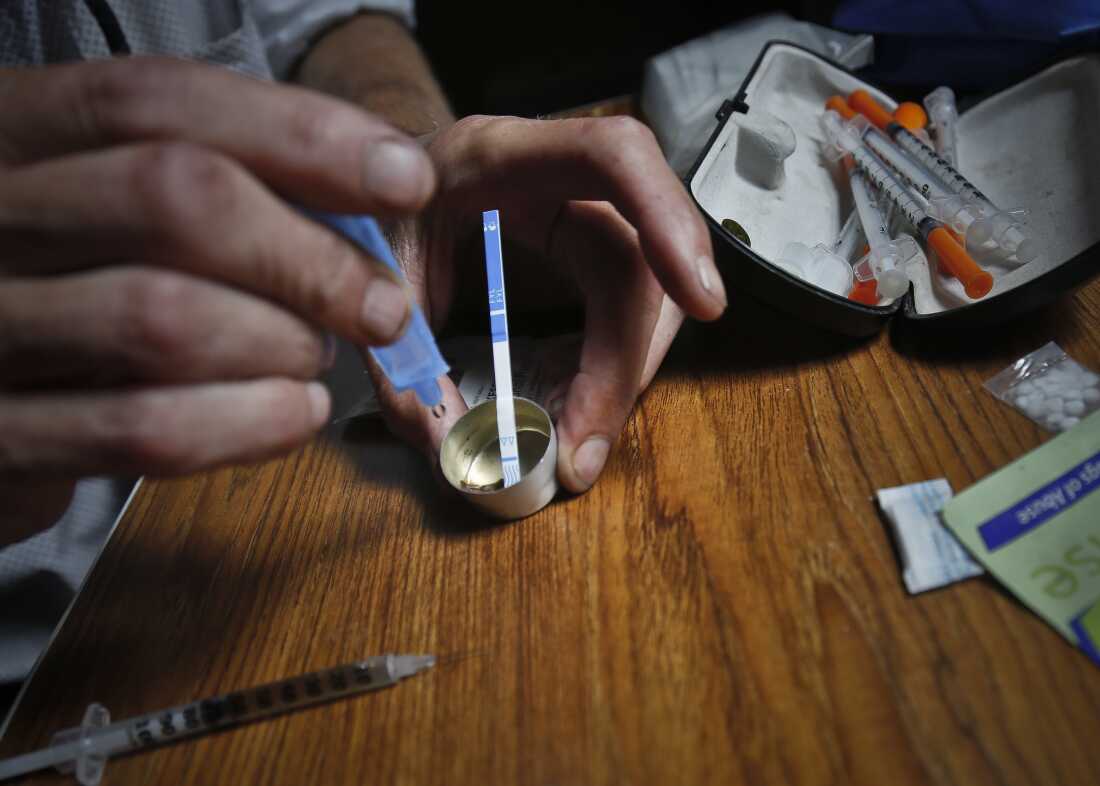
In response, the Baltimore Harm Reduction Coalition took action by creating and distributing test strips that could identify various adulterants. In addition to benzodiazepines, these strips could detect substances like fentanyl, xylazine, and medetomidine. Available at no cost, the coalition distributed the strips at clinics, neighborhood events, bars, and street corners. People use these strips by mixing a small drug sample with water and dipping the strip, which changes color if an adulterant is present.
Nobody really knows what they’re getting whenever they’re getting stuff off of the street,
said Candy Kerr, a coalition spokesperson. According to Kerr, having test strips accessible allows individuals to make safer choices.
Recent federal policies may hinder these efforts. In late April, the Substance Abuse and Mental Health Services Administration (SAMHSA) prohibited using federal grants for distributing test strips and certain harm reduction strategies credited with saving lives. Test strips have been utilized for nearly a decade to detect harmful adulterants. Many health advocacy groups provide these strips to individuals upon release from jail or prison to minimize overdose risks.
A letter from the Trump administration to local health departments explained their stance that harm reduction practices facilitate illicit drug use and are incompatible with Federal laws.
Grants from the Department of Health and Human Services (HHS) are also barred from supporting programs involving clean needles or drug paraphernalia distribution or specialized hotlines for drug users. Emily Hilliard, an HHS spokesperson, emphasized the focus on proven solutions like distributing naloxone, an overdose reversal drug.
The new policy does not prevent federal funds from supplying test strips to law enforcement, public health officials, EMTs, or medical professionals. This exception allows government bodies to monitor drug adulterants in specific areas. Still, Yngvild Olsen, a former SAMHSA director, supports evidence showing test strips can alter user behavior. Some users choose to reduce consumption or take precautions like naloxone administration or ensuring help is nearby in case of overdose.
Candy Kerr stresses the importance of continuing to distribute test strips alongside lifesaving medications. She attributes Baltimore’s more than 40% reduction in overdose deaths since 2023 to this comprehensive approach. Under the new policy, nonprofits may continue distributing test strips, but they need alternative funding. Kerr is concerned about reallocating resources from other services, like hygiene and wound care kits, to finance test strips.
Despite the challenges, Kerr finds this strategy vital to prevent future mass overdoses in Baltimore and reduce preventable fatalities.
This article is part of NPR’s collaboration with WYPR and KFF Health News on health reporting.