
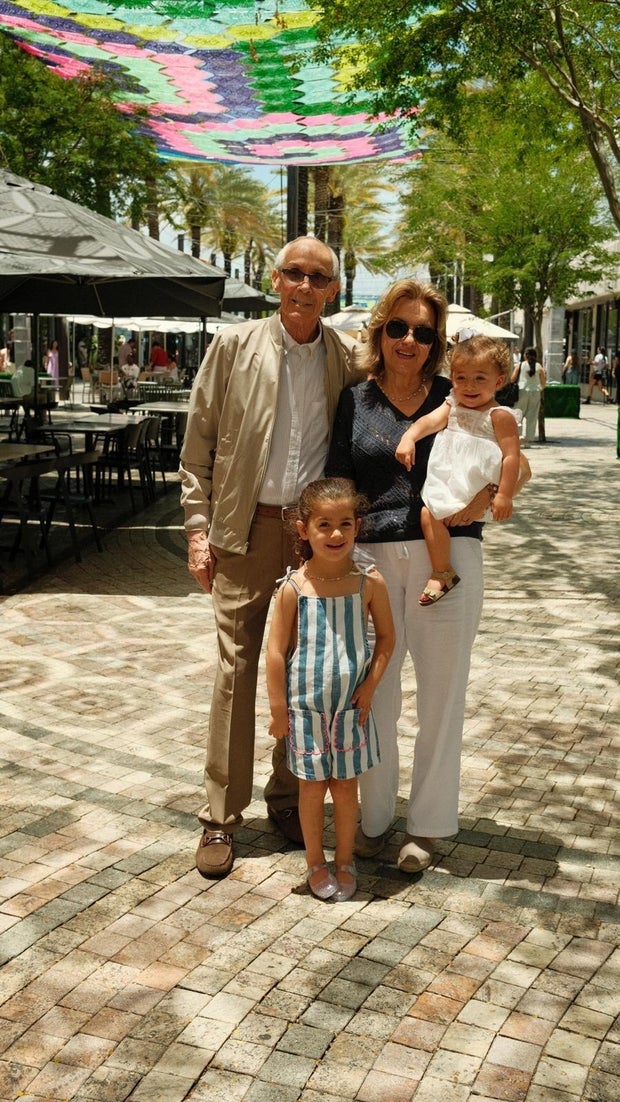
Hernando Salcedo, an 83-year-old grandfather, experienced unexpected stomach swelling in May 2025. Although he was generally healthy and active, this sudden change was alarming. Despite consulting his doctor, an endoscopic ultrasound could not explain the swelling. He was then referred to a gastroenterologist who ordered an MRI. Two days later, Salcedo received a diagnosis of Stage III pancreatic cancer.
The American Cancer Society states that patients with Stage III pancreatic cancer often have limited survival, with a five-year survival rate of just 15%. Surgery can sometimes help, but Salcedo was not eligible for this option. The only treatment offered was aggressive chemotherapy, intended to prolong life rather than cure the disease.
In July 2025, Salcedo began chemotherapy at the Miami Cancer Institute. Unfortunately, he quickly experienced severe side effects. He lost his appetite and weight, drastically affecting his daily routine. His son, Mauricio, noticed a significant change in his father’s health and energy levels.
While enduring chemotherapy, Salcedo’s case was reviewed by an expert panel at Miami Cancer Institute. Dr. Ripal Gandhi, who treated Salcedo, explained that these panels consider innovative treatments and clinical trials. It was determined that Salcedo qualified for a clinical trial involving a new chemotherapy delivery device by RenovoRX. This innovative RenovoCath system, approved by the FDA in 2014, aims to target chemotherapy directly to the tumor.
The RenovoCath system reduces side effects by delivering chemotherapy directly to the tumor.
The system uses a catheter and balloons to deliver chemotherapy near the tumor while isolating its blood flow. Research presented at the World Congress of GI Cancer Patients in 2023 showed a 65% reduction in adverse effects compared to traditional methods. Survival increased by six months for patients using this method.
Upon learning about the trial, Salcedo agreed to participate without hesitation. His son Mauricio described it as an easy decision in their cancer journey. The treatment involved two months of standard chemotherapy, followed by radiation and another chemotherapy session. Once imaging showed the cancer was stable, Salcedo was eligible for the catheter delivery treatment.
Salcedo’s experience with the RenovoCath was significantly better than traditional chemotherapy. He reported feeling well following each treatment, free from nausea and pain, which was a stark contrast to his prior experience.
Dr. Gandhi shared that Salcedo was one of many patients who benefited from this clinical trial. The FDA has cleared the device, and further research will continue, with final trial data expected in 2027.
One year post-diagnosis, Salcedo’s cancer has not progressed. He has enjoyed family milestones, including attending his nephew’s wedding in Colombia. This extra time allowed Salcedo to savor life’s moments and plan future travels.
Mauricio acknowledged the reality of his father’s condition but appreciates the time gained. Salcedo’s willingness to participate in this trial has not only extended his life but also improved its quality, offering a sense of winning against odds.