
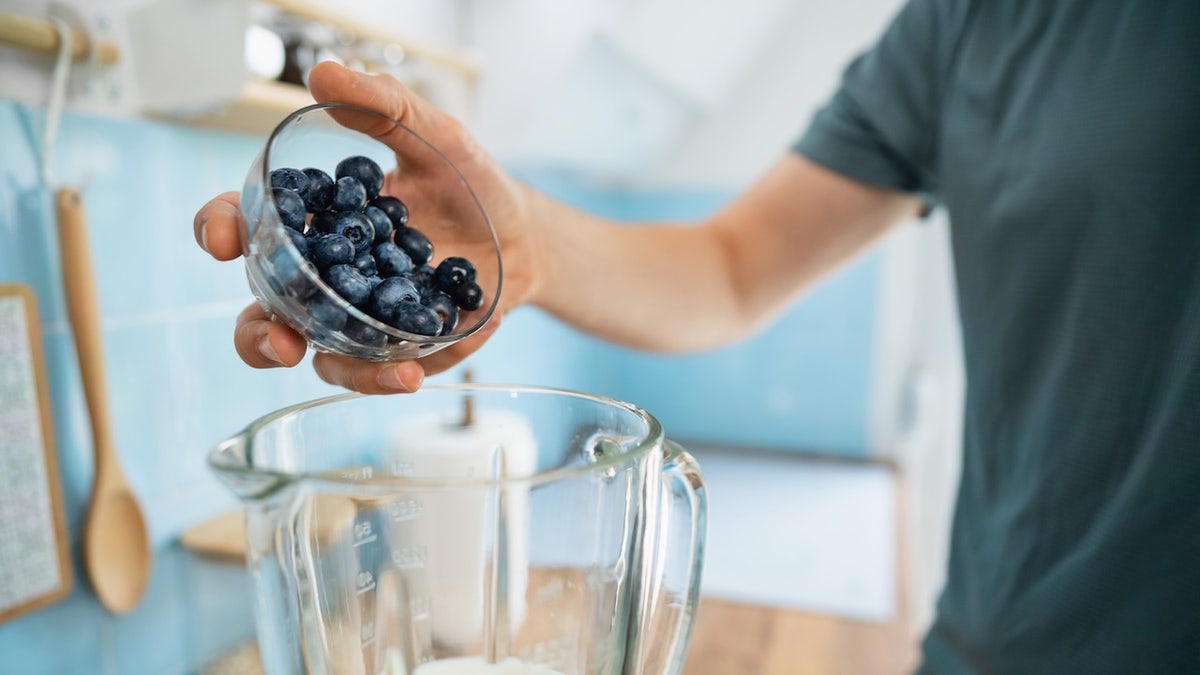
Bananas are popular in smoothies, but a viral video raised doubts about their nutritional impact. Dr. Rhonda Patrick, a biomedical scientist, discussed her smoothie-making approach on the “Mel Robbins Podcast.” She opts out of using bananas.
Dr. Patrick explains that bananas have an enzyme called polyphenol oxidase (PPO), responsible for breaking down polyphenols. Polyphenols benefit gut, heart, and brain health. PPO also causes cut fruit to brown.
Recent research indicates bananas in a blueberry smoothie might result in fewer absorbed polyphenols. Dr. Patrick prefers using avocados instead. Avocados provide a creamy texture with less sugar and more vitamins. They enhance absorption of carotenoids like lutein from kale.
The opinion divided nutritionists. Some argue bananas shouldn’t be vilified based on limited research. A study in the journal Food & Function looked at how different smoothies affected polyphenol absorption.
With only eight participants, findings showed the peak concentration of polyphenols was 84% lower in a banana smoothie than in a supplement. Blood tests revealed participants absorbed fewer beneficial plant compounds with a banana smoothie compared to a flavan-3-ol capsule.
The study didn’t specifically test banana and blueberry smoothies. However, results suggest bananas may reduce the polyphenol benefits of high-flavanol foods.
Registered dietitian Ilana Muhlstein found these results “interesting,” but incomplete. She highlighted that even if some polyphenols are affected, smoothies retain other health benefits like fiber and nutrients from bananas and polyphenol-rich fruits.
The study size and lack of replication are factors to consider. It involved a cocoa-derived flavanol supplement, not whole fruits like berries, affecting absorption. Meanwhile, bananas contain other polyphenols that may not be as affected.
Patrick later clarified on Instagram that while bananas alter some blueberry polyphenols, they’re still nutritious. The goal is to preserve berry polyphenols when desired.
Holistic nutritionist Robin DeCicco agreed the findings don’t mean cutting out bananas altogether. She advises focusing on reducing processed foods instead.
DeCicco points out Americans need more nutrient-rich foods instead of processed ones linked to chronic diseases. She suggests it doesn’t need to be complicated. Replacing less healthy options like french fries with a banana is beneficial.
For those wanting maximum polyphenol intake, substitutions like frozen zucchini, avocado, or Greek yogurt can replace bananas in smoothies for creamy texture.
Here are a couple of smoothie recipes for consideration:
Low-Sugar High-Protein Smoothie (Banana-Free)
- Unsweetened organic almond or soy milk
- 1/2 to 1 cup of organic frozen berries
- 1 serving of vanilla unsweetened plant protein powder
- 2 tablespoons ground flaxseed
- 1-2 tablespoons of organic nut/seed butter
- Handfuls of organic mixed greens or chopped zucchini
- Cinnamon, vanilla extract to taste
Low-Sugar High-Protein Smoothie (With Banana)
- Unsweetened organic almond or soy milk
- 1 ripe banana
- 1 serving of unsweetened Greek or Icelandic yogurt
- 1/2 ripe pear or apple with skin
- 2 tablespoons ground flaxseed or chia seed
- Handfuls of organic baby mixed greens
- Optional: 1 serving of collagen for protein
- Cinnamon, vanilla extract to taste
It’s important to tailor nutrition to individual needs. Dr. DeCicco advises considering personal health goals and backgrounds in dietary choices.