
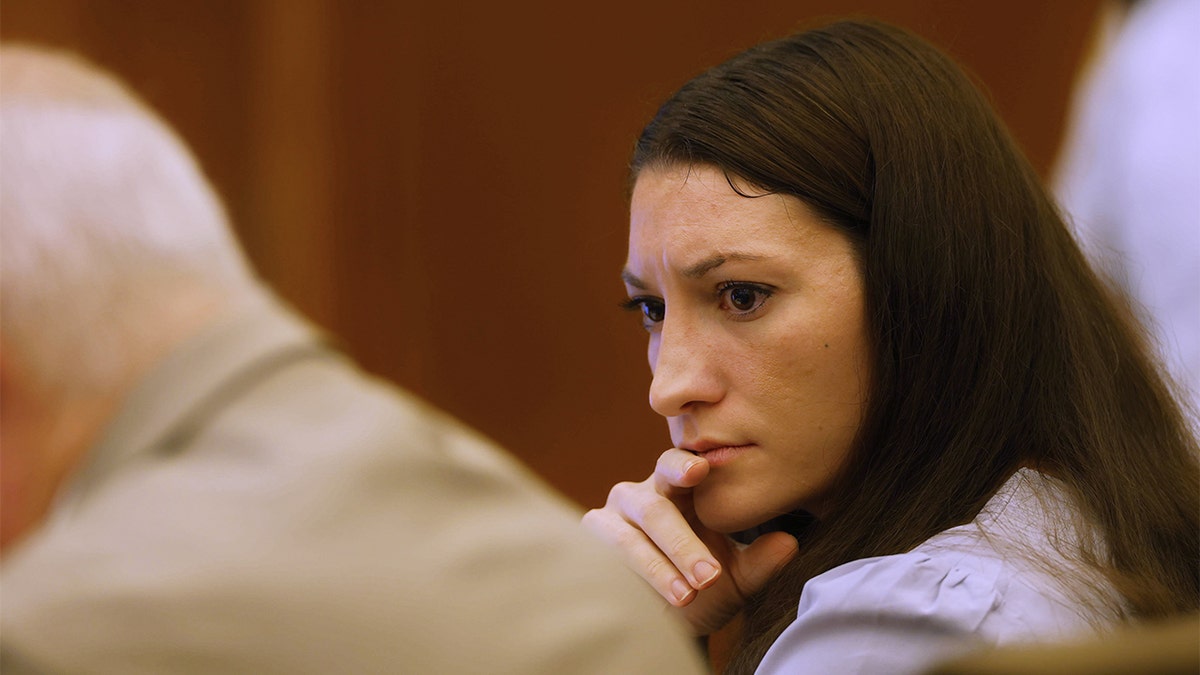
During a critical day in court, Lindsay Clancy directly addressed the judge, affirming her understanding of certain settled forensic facts in her trial. Clancy, who is on trial for the deaths of her three children in their Duxbury home, agreed to allow prosecutors to treat specific forensic details as established.
Before jurors were present, Judge William Sullivan clarified with Clancy about an agreement covering certain evidence. He asked if she understood that by signing the stipulation, the Commonwealth was not required to prove certain facts. Clancy responded, “Yes, Your Honor.” Sullivan found her competent, noting she agreed knowingly and willingly.
Defense attorney Kevin Reddington stated the agreement eliminates the need for calling numerous witnesses to verify the chain of custody for evidence like blood and DNA. The stipulation is not an admission of guilt or an acknowledgment of criminal responsibility for the deaths of Cora, Dawson, and Callan.
Margaret McLean, a former prosecutor who now teaches law, remarked that the defense aims to focus jurors on Clancy’s mental state rather than the grim nature of the acts. The goal is to question her criminal intent or mens rea at the time of the incident, despite her rational demeanor in court.
Massachusetts State Police Trooper Jonathan O’Loughlin testified about analyzing a knife and exercise bands found at the scene. Although a friction-ridge impression was discovered on the knife, it lacked sufficient detail for identification, echoing the result for the exercise bands.
Reddington emphasized the lack of usable fingerprints. O’Loughlin explained that fingerprints can be fragile, affected by an object’s surface, environmental factors, or if the surface was wiped. McLean suggested that the absence of prints could lead jurors to consider whether gloves were worn or surfaces cleaned. However, the defense argues against speculation without evidence.