
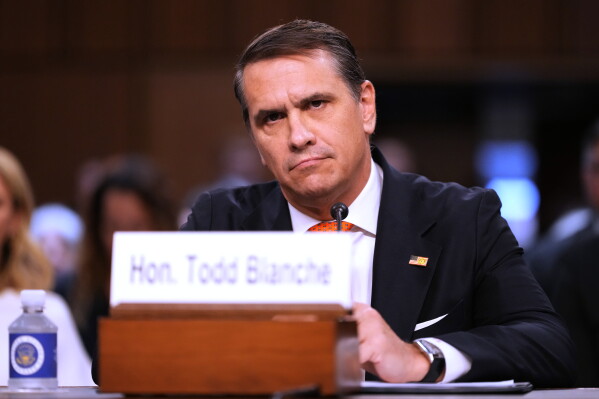
Todd Blanche, in seeking confirmation as attorney general, withdrew a $1.8 billion fund aimed at compensating President Trump’s political allies. However, a contentious audit immunity plan for Trump, his sons, and the Trump Organization persists. This agreement remains under scrutiny despite new restrictions intended to satisfy Republican senators whose support Blanche needs.
The audit immunity agreement originated from a compromise to resolve Trump’s $10 billion lawsuit against the IRS over leaked tax returns. This arrangement barred examinations of Trump’s past tax filings but does not apply to future filings. The immunity plan has faced bipartisan criticism for its uniqueness and potential impact on tax fairness.
Dan Greenberg from the Cato Institute criticized the arrangement as unlawful, while Judge Kathleen Williams described Trump’s lawsuit against the IRS as having an “improper purpose.” Though she did not void the immunity deal, she stated the government cannot claim the agreement as a legitimate legal process.
Blanche’s assurances of discontinuing the $1.8 billion “anti-weaponization fund” have not quelled concerns. Legal experts question the legality of the immunity deal, which might infringe IRS rules against executive interference in taxpayer audits, established post-Watergate to protect taxpayer privacy.
Nina Olson, from the Center for Taxpayer Rights, condemned the settlement as a significant low for the IRS since the 1970s. Brandon DeBot from NYU Tax Law Center highlighted the need for congressional action to ensure the fund’s permanent discontinuation.
Despite Congressional testimonies by Blanche reaffirming that the fund will not proceed under Trump’s administration, Trump’s statements on social media suggest its potential revival if Blanche is not confirmed. This unease has prompted calls for legislative measures to permanently prevent future attempts at reviving such a fund.