
Editor’s note: This story includes discussion of suicide. If you or someone you know needs help, the national suicide and crisis lifeline in the U.S. is available by calling or texting 988.
The trial of Lindsay Clancy resumed in Plymouth, Massachusetts, with more emotional testimonies. It follows an intense opening week with a jury visit to the scene where Clancy strangled her three children in 2023. Key witnesses have included emergency room doctors who treated Clancy and her children. The defense contends that Clancy was suffering from postpartum psychosis, a serious condition affecting some women after childbirth.
The prosecution argues that Lindsay Clancy acted with intent, holding her responsible for the deaths of her children, Callan, Dawson, and Cora, ages 8 months to five years. Last week, her ex-husband, Patrick Clancy, recounted finding the children in the basement of their Duxbury home. Lindsay had jumped from a window and was found injured in the yard, now paralyzed from the waist down.
Dr. Michael Snyder testified Cora had no heartbeat upon arrival at the hospital and was declared dead shortly after. Eight-month-old Callan was in cardiac arrest with brain swelling. He needed a ventilator and died three days later. Her lawyers accept that she killed the children but claim Clancy had an undiagnosed bipolar disorder worsened by an unstable regimen of psychiatric drugs.
“She killed the kids!” Patrick Clancy exclaimed in a 911 call played in court.
Lindsay Clancy’s medical history reveals she experienced severe insomnia, anxiety, and despair. She visited a postpartum depression program where medication effects were suspected. Discharged after a day, she later admitted herself to a psychiatric hospital, and resumed psychiatric care at home until January 23, 2023. On January 24, her lawyers say she believed a voice commanded her to harm herself and the children.
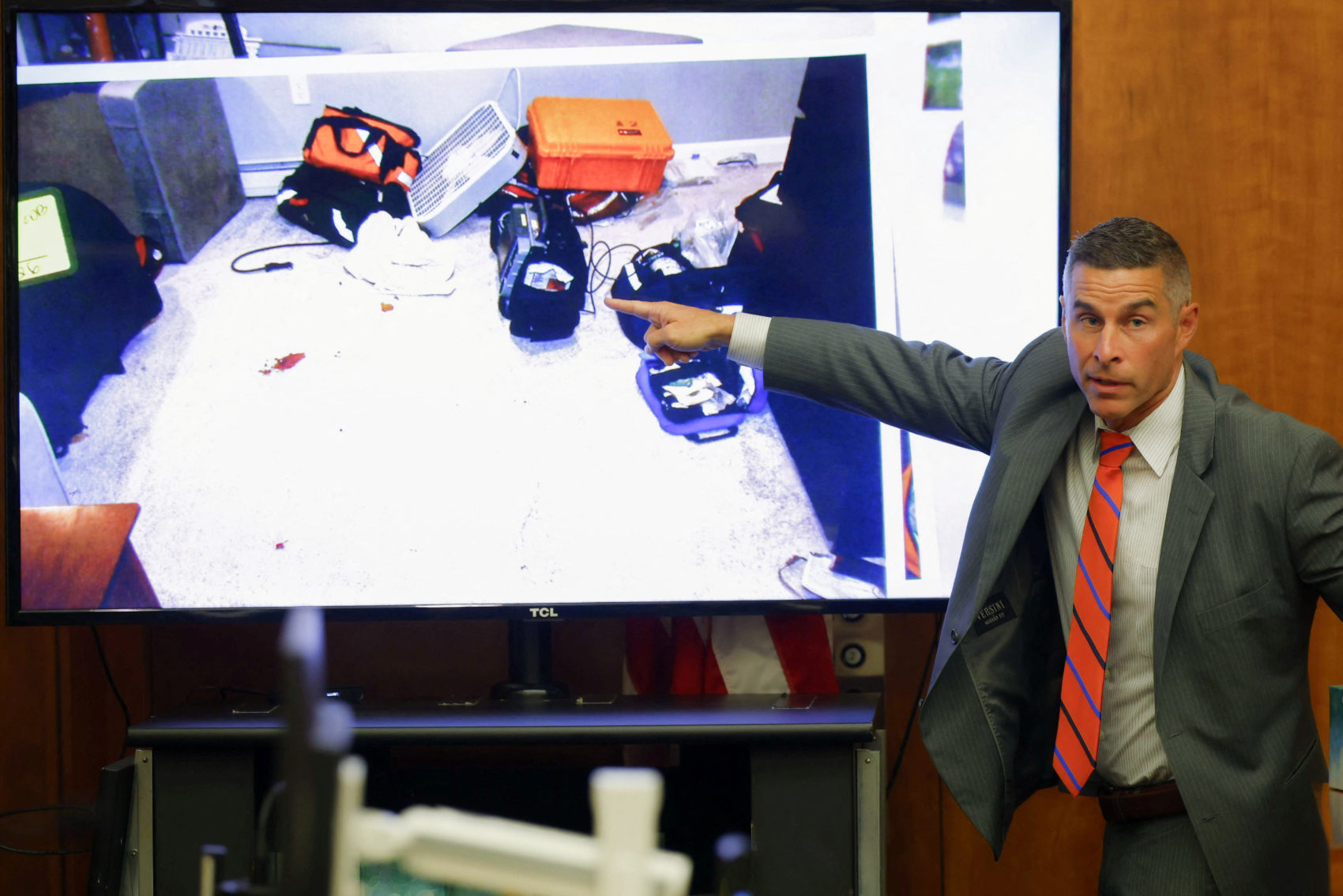
On the evening of the tragedy, Lindsay asked her husband to run errands, which prosecutors interpret as a deliberate attempt to remove him from the house. Patrick Clancy returned to find a shocking scene, leading to a distressing 911 call. Last week, jurors visited the Clancy family home, gaining insight into that fateful day.
Both Clancys filed lawsuits alleging medical providers failed to recognize the risks. These providers deny any negligence. Prosecutor Shanan Buckingham insists the case is not a critique of women’s mental health treatment but rather focuses on the alleged criminal actions.
A conviction for murder means a life sentence without parole for Lindsay Clancy. However, should she be acquitted on grounds of insanity, she will face commitment to a mental health institution. This trial brings to the forefront questions about mental health and its impact on tragic events.